B2B Technical Report & Sourcing Authority

Microneedling Suppliers & Factories in Japan

A comprehensive industrial analysis on precision micro-molding, PMDA medical device compliance, J-Beauty transdermal drug delivery systems, and global OEM/ODM manufacturing partnerships.

Featured Japanese Market Platforms

Engineered Aesthetic Devices for Clinics & Brands in Japan

Pre-certified platforms calibrated for stringent Japanese dermal sensitivity thresholds, clinic safety requirements, and salon protocols.

Regional Ecosystem Analysis

The Commercial & Industrial Landscape of Microneedling in Japan

A deep examination of Japan's intersection between high-precision micro-tooling, J-Beauty skin minimalism, and strict PMDA medical compliance.

Japan represents one of the most sophisticated aesthetic and medical device ecosystems globally. Characterized by high consumer discernment, rigorous clinical scrutiny, and an uncompromising standard for patient comfort, the market for microneedling devices, derma pens, and micro-array drug delivery platforms has transitioned from an invasive specialty into a core protocol across dermatology clinics in Tokyo (Ginza, Omotesando, Roppongi), Osaka (Umeda, Shinsaibashi), Fukuoka, and Nagoya.

1. Regulatory Framework: Navigating the PMDA & MHLW

In Japan, the commercial classification of microneedling instruments is strictly monitored under the Pharmaceutical and Medical Devices Act (PMDA / MHLW - Ministry of Health, Labour and Welfare). Unlike regions where cosmetic derma-rollers with penetration depths up to 0.5 mm operate with minimal regulatory barriers, Japanese authorities implement rigorous boundaries:

  • Cosmetic Grade Micro-Array Patches (Dissolving Microneedles): Classified under cosmetic hygiene standards provided needle depths remain within the non-vascularized stratum corneum (<200 micrometers) and make no systemic therapeutic claims.
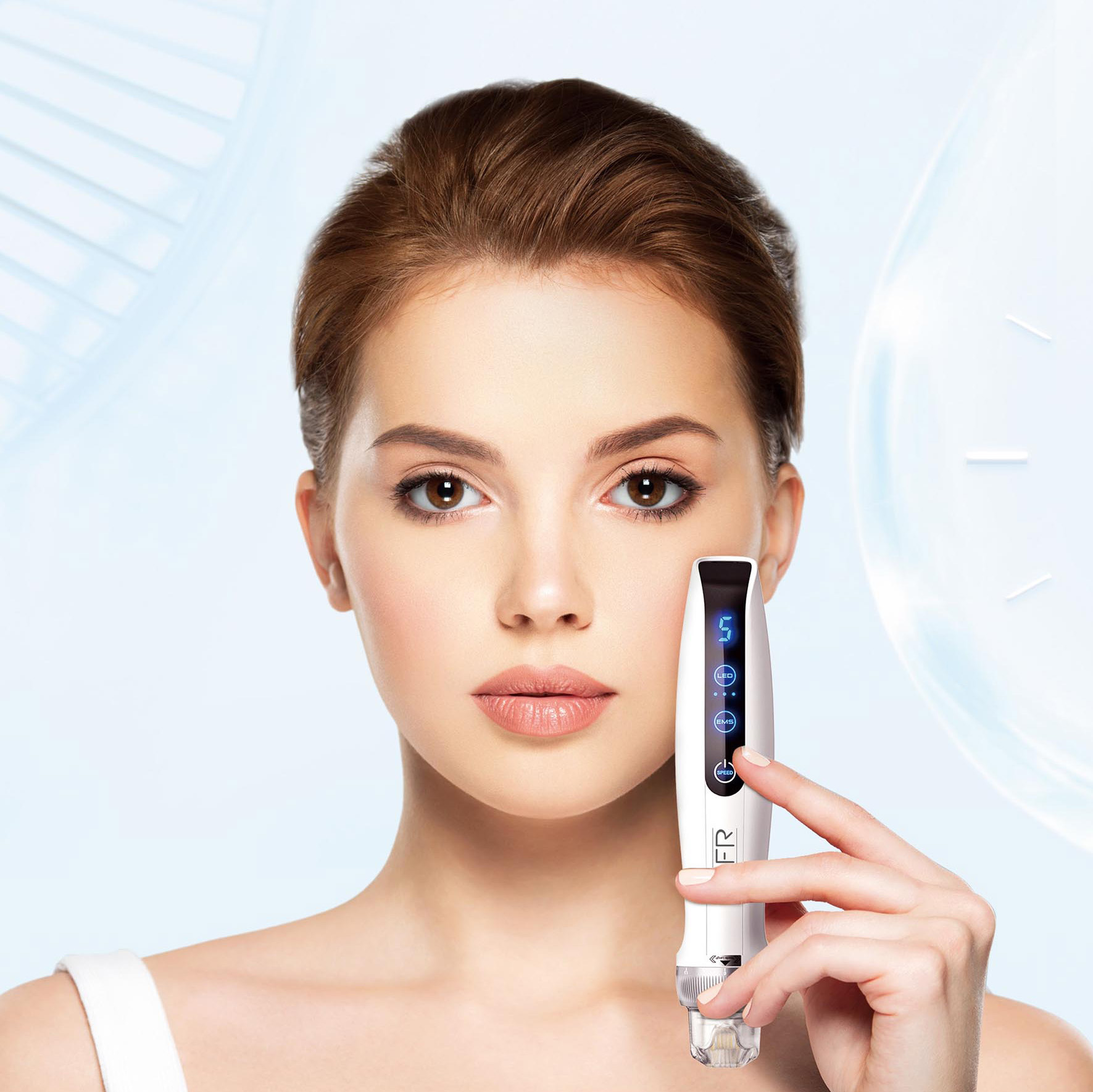
  • Class II Controlled Medical Devices (Kanri Iryōkiki): Motorized derma pens, automated reciprocating micro-needle pens (0.25 mm to 2.5 mm penetration), and micro-needling devices intended for collagen induction therapy (CIT), melasma treatment, or scar revision require Pre-Market Certification (Ninsho) or Approval (Shonin).
  • Foreign Manufacturer Registration (Toroku): Non-Japanese manufacturing facilities must maintain a registered Marketing Authorization Holder (MAH / D-MAH) in Japan and comply with MHLW Ministerial Ordinance No. 169 (equivalent to ISO 13485 QMS).

Compliance Insight: Sourcing OEM/ODM microneedling pens for the Japanese market requires 100% material biosecurity certification. Needles must utilize medical-grade SUS316L surgical stainless steel or Grade 5 Titanium alloys, passing strict cytotoxicity, intra-cutaneous reactivity, and endotoxin screening according to JIS T 0993 and ISO 10993 standards.

2. J-Beauty "Skinimalism" vs. Clinical Transdermal Drug Delivery

The traditional Japanese skincare philosophy emphasizes barrier function preservation, deep hydration, and non-inflammatory treatments. Consequently, the commercial adoption of microneedling in Japan differs significantly from Western aggressive ablation practices:

  • Ultra-Low Pain Profiles: Devices must feature micro-vibration dampening, zero axial needle deflection (wobble <0.01 mm), and high reciprocating frequencies (up to 16,000 RPM) to minimize epidermal tearing and post-inflammatory hyperpigmentation (PIH), a common concern for Fitzpatrick skin types III and IV.
  • Synergy with Biologics (Secretomes, Exosomes, and PDRN): Aesthetic clinics across Tokyo heavily bundle micro-needling with Salmon DNA (PDRN), human stem cell conditioned media, and stabilized ascorbic acid complexes, turning the device into an active Transdermal Drug Delivery System (TDDS).

Japanese Precision Tooling

Local tier-1 manufacturers in Nagano, Shizuoka, and Tokyo excel in ultra-precision micro-EDM (Electrical Discharge Machining) and silicon etching, producing world-class micro-molds and silicon needle dies.

Severe Supplier Audits

Japanese aesthetic brands demand 0.00% defect tolerance on cartridge sterility, hermetic sealing integrity, and lot-to-lot consistency backed by validated Ethylene Oxide (EO) sterilization logs.

Strict Post-Treatment Regimes

Protocols in Japan mandatorily combine fractional epidermal micro-puncturing with sterile cooling hydrogel masks or photobiomodulation (LED therapy) to eliminate patient social downtime.

Macro Industry Benchmark

Global vs. Japan Microneedling Industry Ecosystem

Understanding production metrics, market CAGR, technological adoption rates, and certification requirements across primary aesthetic hubs.

Evaluation Parameter Japan Domestic Market North America (US & Canada) European Union (EU MDR) Asia-Pacific (Ex-Japan)
Primary Regulatory Gateway PMDA / MHLW (Class II / Class III) FDA 510(k) De Novo / Class II CE Mark under MDR 2017/745 NMPA, MFDS, TGA, TFDA
Dominant Product Typologies Zero-downtime Derma Pens, Dissolving Micro-Array, RF Hybrids High-depth CIT Derma Pens (1.5-2.5mm), Surgical RF Microneedling Medical CIT, Bio-revitalization Mesotherapy Pens Cost-effective OEM Motorized Pens, Hydra Needles, Home Rollers
Clinical Priority Factor Pain mitigation, zero PIH risk, transdermal serum delivery Deep acne scar restructuring, wrinkle reduction, rapid ROI Standardized clinical efficacy, CE compliance, eco-materials High versatility, multi-needle configurations, consumer price
Needle Tip Metallurgical Standard Ultra-honed SUS316L / Ti-6Al-4V Medical Grade 304/316 Surgical Steel Needles ISO 9626 Medical Stainless Steel Medical grade 304 / 316 Stainless Steel
Sterilization Validation Validated EO Sterilization with zero residual gas (ISO 11135) Gamma Irradiation or EO with FDA DHF audit ISO 11137 / ISO 11135 notified body audit EO Batch Sterilization
8.3B
Global Energy Beauty Market ($)
11.4%
APAC Microneedling CAGR
360+
R&D Invention & Utility Patents
0.01mm
Axial Oscillation Tolerance
Engineering Whitepaper

Micro-Mechanical Architecture & Future Technology Roadmap

How cutting-edge precision drives, anti-backflow membrane barriers, and MEMS micro-machining define next-generation microneedling platforms.

Generation I: Mechanical Solid Micro-Needles

Electromechanical Motor Stabilization

Traditional motorized pens suffered from motor deceleration upon entering tough scar tissue, leading to jagged needle extraction and excessive dermal trauma. Modern Japanese clinic-grade platforms employ:

  • Coreless Brushless DC Motors: High torque-to-inertia ratio maintaining steady puncture velocity across skin resistance variations.
  • Digital Closed-Loop RPM Sensing: Dynamic micro-controller adjusts current in real time to prevent needle dragging.
  • Precision Screw Calibrators: Stepless dial adjustments delivering true depth accuracy from 0.00 mm to 2.50 mm.
Generation II: Bio-Fluidic & Safety Hybrid

Cross-Contamination & Syringe Integration

Biosecurity is the primary parameter audited during hospital and clinic supplier selection. Current engineering implementations feature:

  • Multi-Rib Medical Silicone Membranes: Isolates the reciprocating push-rod completely from backflowing blood, lymph, and serums.
  • Integrated Meso-Fluidic Channels: Direct hollow or side-port channels that inject hyaluronic acid and exosomes concurrently with puncture.
  • Gamma/EO Blister Packaging: Medical Tyvek backing equipped with chemical sterilization exposure indicators.
Generation III: Smart MEMS & Energy Delivery

Intelligent Micro-Arrays & RF Convergence

The forward-looking trajectory in Japanese aesthetic engineering combines physical micro-puncture with synergistic bio-physical energy modes:

  • Insulated Gold-Coated Micro-Pins: Deliver fractional biphasic radiofrequency directly into the reticular dermis while shielding the epidermis.
  • Biodegradable Polymer Arrays (HA / PLGA): Dissolving crystalline pins that encapsulate peptides and release actives over 6 hours.
  • MEMS Real-Time Impedance Sensors: Analyzes dermal moisture and skin resistance to auto-modulate penetration cadence.
Consult Our Engineering Team for Custom Japan ODM Projects
Clinical Protocols

Localized Clinical & Commercial Application Scenarios in Japan

How medical aesthetic clinics, luxury medi-spas, and retail cosmetic distributors implement micro-channelling technology across key Japanese treatment domains.

1. Ginza & Omotesando Medical Dermatology Clinics

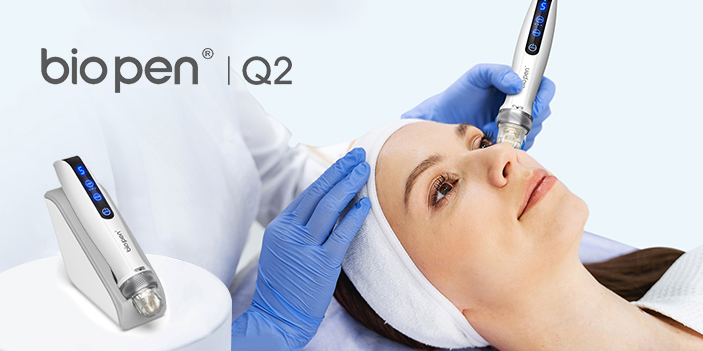
In high-end Tokyo medical clinics, microneedling (such as automated derma-pen protocols) is paired with the renowned "Dermapen + PRX-T33" (Velvet Skin) treatment or autologous platelet-rich plasma (PRP). Key requirements:

  • Micro-Needle Pin Diameter: 33-gauge to 34-gauge ultra-thin surgical needles to minimize surface bleeding.
  • Rapid Speed Levels: 12,000 to 16,000 punctures per minute to reduce session time to under 15 minutes.
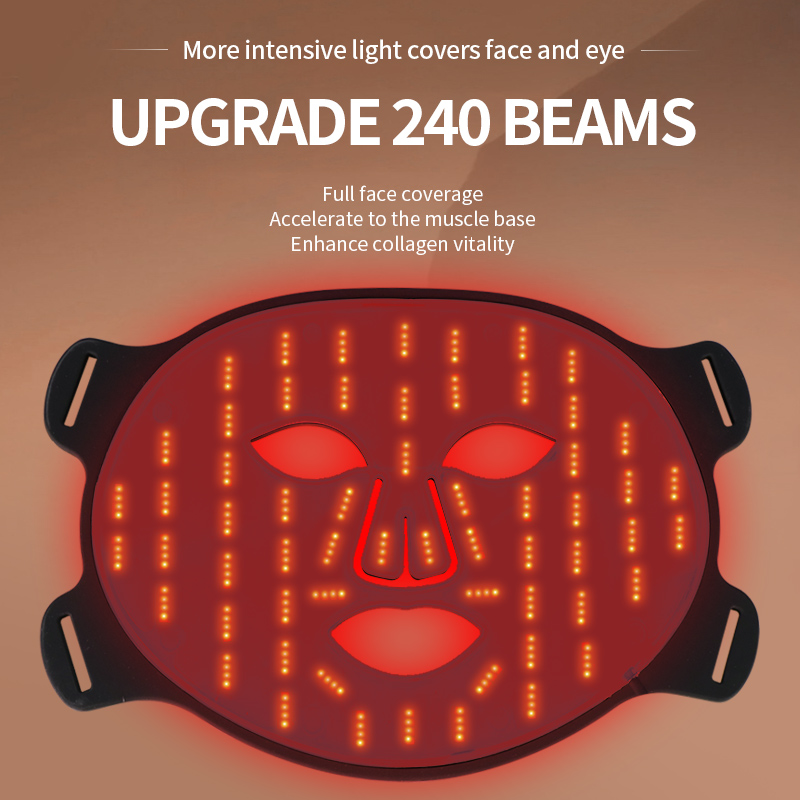
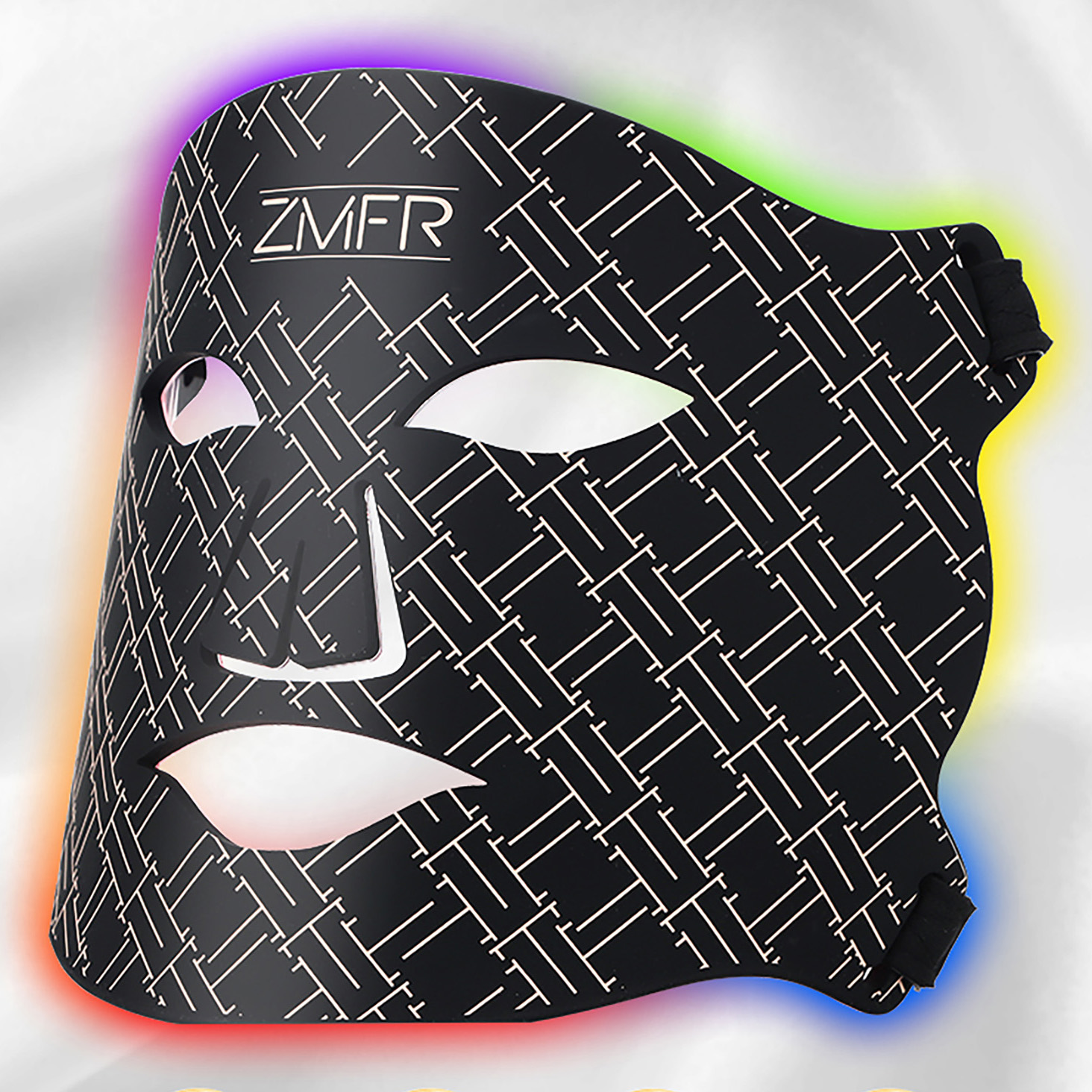
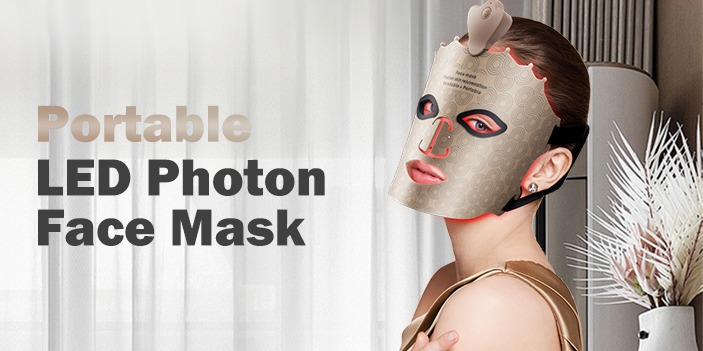
  • Immediate Post-Care: Direct application of ice-functional cooling LED silicone masks (e.g. Model LM15) to soothe facial flush.

2. Japanese Scalp & Trichology Centers (AGA Therapy)

Androgenetic alopecia (AGA) treatments represent a rapidly expanding sector in Japan. Clinics combine scalp micro-puncture with Low-Level Laser Therapy (LLLT):

  • Mechanical Follicular Stimulation: Needle penetration depth calibrated to 0.50 mm – 0.80 mm stimulates dermal papilla cells without scarring the hair bulb.
  • Enhanced Growth Factor Infiltration: Transdermal micro-conduits multiply the penetration rate of Minoxidil and peptide cocktails by up to 80%.
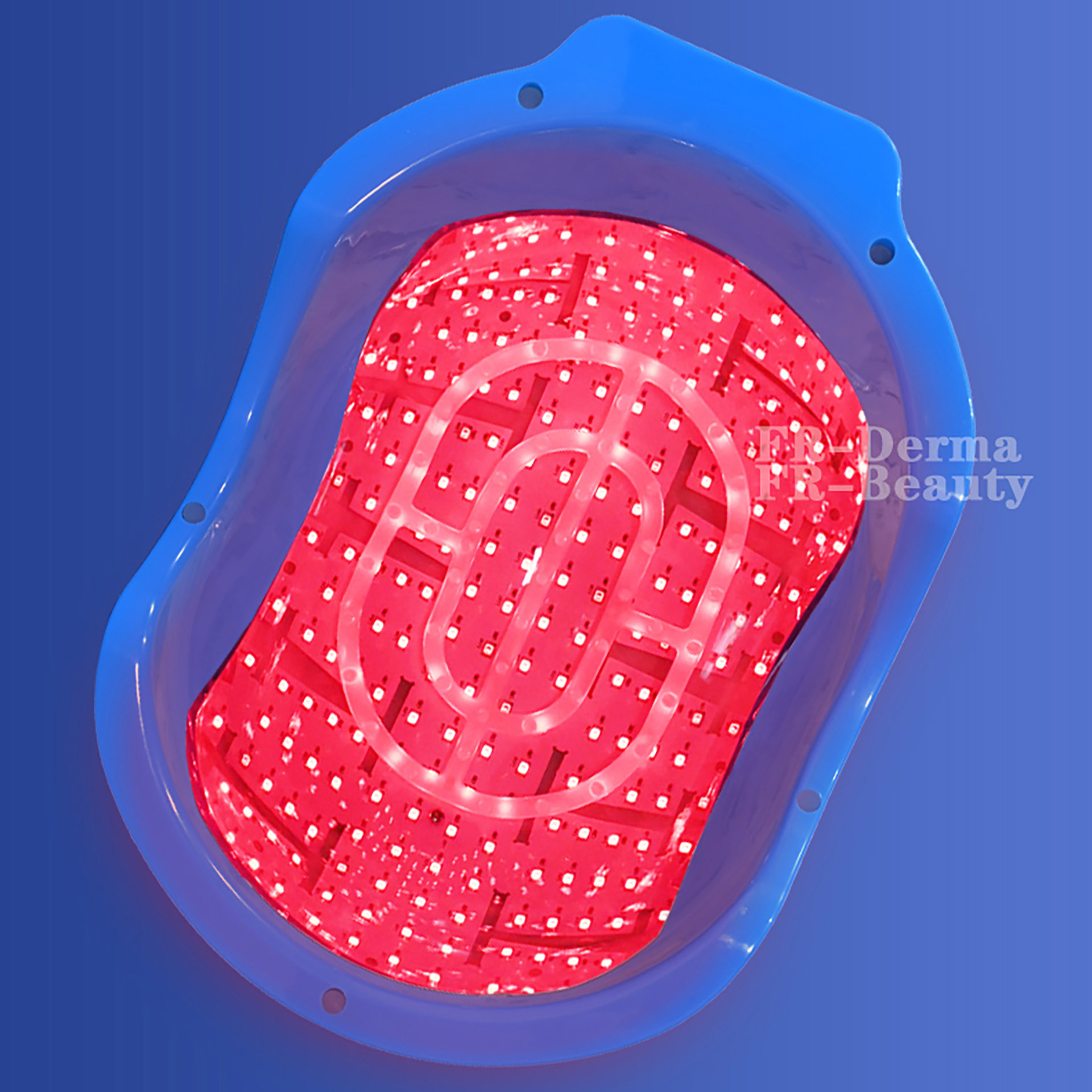
  • Laser Cap Co-Therapy: Complementary usage of medical 650nm Laser Hair Helmets (LH02) elevates ATP synthesis in weakened follicles.

3. Esthetic Salons (Salon de Beauté / Esute)

Non-medical beauty salons in Japan operate under strict legal limits prohibiting stratum corneum perforation by licensed medical devices:

  • Nano-Chip & Round Microneedle Solutions: Utilizing single-crystal silicon or polymer nano-tips (pin height <100 nanometers) to enhance topical serum infusion without pain or downtime.
  • Custom Private-Label Aesthetics: Custom branded salon hardware finished in minimalist Japanese colorways (matte pearl, warm champagne, soft touch medical white).

4. Premium At-Home J-Beauty Device Lines

High-end Japanese direct-to-consumer beauty brands are aggressively launching intelligent personal skin renewal systems:

  • Safety Speed Lock-outs: Microprocessor caps needle excursion to 0.25 mm for fool-proof home safety and zero risk of scarring.
  • Ergonomic Handheld Portability: Wireless induction charging docks, USB-C fast charging, and intuitive single-button OLED displays.
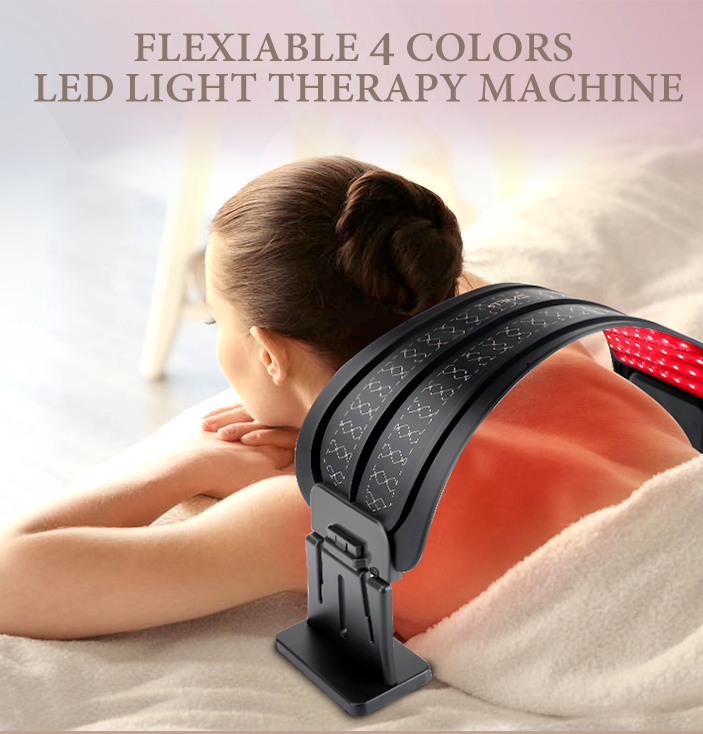
  • Post-Device Consumables: Bundled with bio-cellulose recovery masks and soothing phototherapy panels.
End-to-End Manufacturing

Macro Industry OEM/ODM Manufacturing & Turnkey Solutions

How Fanrun acts as the strategic factory partner for Japanese brands, providing medical-grade cleanroom fabrication, tooling, and regulatory dossiers.

Class 100,000 Cleanroom Molding

Needle cartridges and skin-contact medical silicone are molded and ultrasonic-welded inside automated dust-free cleanrooms, satisfying stringent bioburden limits.

Custom Japanese UI & Firmware

Microcontrollers programmed with Japanese-language prompts, custom speed calibration stages, automatic LED power cycling, and bespoke smartphone app telemetry.

PMDA & PSE Certification Dossiers

Comprehensive technical test dossiers covering electrical safety (PSE mark for Japan adapters), EMC electromagnetic emissions, RoHS 2.0, CE, and biocompatibility.

Verified Efficacy Evidence

Clinical Case Evaluations & Before/After Results

Documented dermal restructuring outcomes across clinical microneedling, photodynamic light therapy, and laser trichology protocols.

Clinical Microneedling Before Treatment Clinical Microneedling After Treatment
Case 01 · Clinical Microneedling
“After a few microneedling treatments, my skin has become smoother, fine lines and acne scars have improved significantly, and my friends say I look younger!”

Protocol: 1.0mm Needle Depth + HA Hydration · 4 Sessions

LED Beauty Mask Before Treatment LED Beauty Mask After Treatment
Case 02 · LED Phototherapy
“Using the LED beauty mask regularly has smoothed out my facial wrinkles, making my skin look firmer and more youthful.”

Protocol: 630nm Red + 830nm NIR Light · 8 Weeks Routine

Laser Hair Helmet Before Treatment Laser Hair Helmet After Treatment
Case 03 · Trichology Scalp Therapy
“My hair has changed dramatically! The previously thinning areas on the top of my head have visibly filled in and look thicker and healthier.”

Protocol: 650nm LLLT Helmet + Scalp Micro-Channels · 16 Weeks

Hair Loss Helmet Evaluation Before Hair Loss Helmet Evaluation After
Case 04 · Crown Density Recovery
“I had always been troubled by thinning hair and didn't expect significant changes. The top of my head was very thin before; now the volume has increased a lot.”

Protocol: Daily 20-min LLLT Cap Session

Pore Refinement Before Pore Refinement After
Case 05 · Pore Minimization
“I can feel my skin improving after each treatment, especially my pores. I finally have the confidence to go out without makeup!”

Protocol: 0.5mm Epidermal Resurfacing Pen

Skin Texture Recovery Before Skin Texture Recovery After
Case 06 · Acne Scar Revision
“I was a little hesitant at first, but now I'm so glad I chose microneedling. The results exceeded my expectations — my skin is clearer and even makeup looks better!”

Protocol: Fractional CIT Protocol · 5 Sessions

Audited Laboratory Accreditations

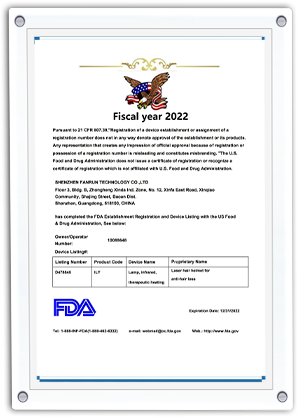
Global Compliance, TUV & SGS Verification

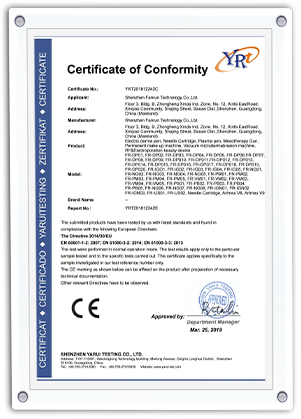
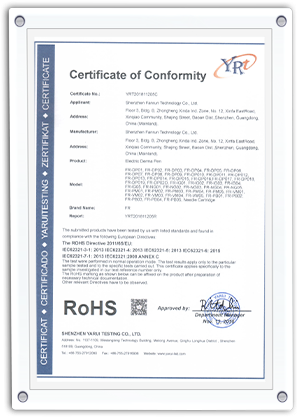
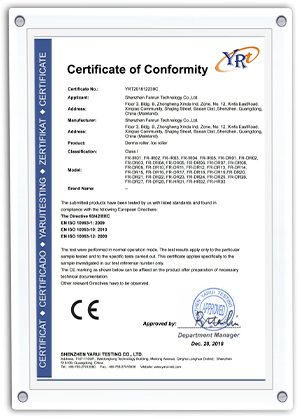
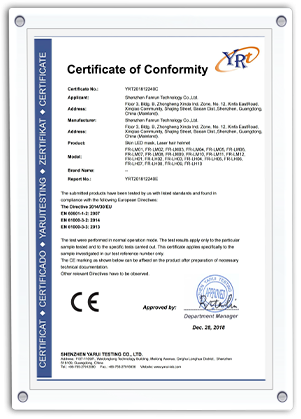
Every platform produced under Fanrun manufacturing holds traceable lab reports to facilitate frictionless Japanese and international customs clearance.

Medical Device Compliance Certificate 01
CE Medical Directive
RoHS Environmental Compliance Certificate 02
RoHS 2.0 Hazardous Materials
TUV Biocompatibility Certificate 03
TUV Rheinland Tested
SGS Food-Grade Silicone Safety Certificate 04
SGS Skin-Contact Report
Factory ISO System Certificate 05
ISO 13485 / ISO 9001 QMS
Knowledge Transfer

Technical Briefs & Global Market Reports

Authoritative insights prepared by our engineering and regulatory affairs department for importers, distributors, and brand owners.

Sourcing & Compliance Clarifications

Frequently Asked Questions for Importers & Brands in Japan

Clear, direct answers regarding PMDA classifications, factory OEM capabilities, minimum order volumes, and custom cartridge manufacturing.

What are the legal prerequisites for importing microneedling pens into Japan?
To import motorized microneedling derma pens with skin puncture capabilities into Japan, the local importing entity must hold a valid Medical Device Marketing License (Dai-isshu or Dai-nishu Daihyo Toroku) under the PMDA framework. The device itself must be registered or certified as a Controlled Medical Device (Class II). Fanrun supports partners by providing complete Technical Construction Files (TCF), ISO 13485 QMS documentation, and factory inspection records necessary for the Japanese Marketing Authorization Holder (MAH) submission.
Can you manufacture custom needle cartridges compatible with Japanese aesthetic protocols?
Yes. We fabricate sterile disposable cartridges with 9-pin, 12-pin, 24-pin, 36-pin, 42-pin, and nano-chip configurations. Needle tips are precision honed from medical-grade SUS316L stainless steel or titanium, encased with a dual-layer silicone anti-backflow membrane that prevents liquid ingress into the device motor handpiece, fulfilling strict clinical infection control standards.
Does Fanrun provide complete private label (OEM) and custom tooling (ODM) services?
Yes. OEM services include laser engraving of brand marks, bespoke anodic oxidation colors on aluminum alloy chassis, customized Japanese retail packaging, and Japanese user operation manuals. For full ODM initiatives, our industrial design team develops exclusive housing molds, PCB electronic layouts, speed cadence firmware, and specialized battery management systems with Japanese PSE electrical safety compliance.
How is needle cartridge sterility validated and guaranteed for each shipment?
All needle cartridges are sealed in medical-grade Tyvek blister packs and sterilized via validated Ethylene Oxide (EO) gas processes in accordance with ISO 11135. Every production batch is quarantined until biological indicators verify complete microbial eradication and gas aeration tests confirm zero ethylene oxide residual (below 1.0 ppm). Lot-specific sterilization certificates are provided with every delivery.
What is the typical Minimum Order Quantity (MOQ) and production turnaround for Japan-destined orders?
For standard platforms with custom private labeling (logo and Japanese gift box packaging), our MOQ starts at 500 units. For fully bespoke ODM hardware requiring custom injection tooling and proprietary firmware, MOQs typically range from 1,000 to 3,000 units. Pre-production prototyping requires 15–20 business days, with mass assembly completed in 30–35 days following engineering sign-off.
Complete Equipment Catalog

Selected Precision Hardware for Japanese Importers & Brands

Engineered platforms spanning clinical micro-needling, photo-biological LED therapy, and coherent laser trichology equipment.

Expand Your Aesthetic Brand in Japan with Precision Engineering

Connect directly with Fanrun's technical engineering team. Receive factory-direct quotes, PMDA-ready technical dossiers, customized samples, and low-MOQ private label proposals within 24 business hours.

Send Inquiry Now Explore Our Global OEM Services