Factory-calibrated optical parameters configured specifically for Victorian aesthetic standards, medical spas, and high-growth home-use private labels.
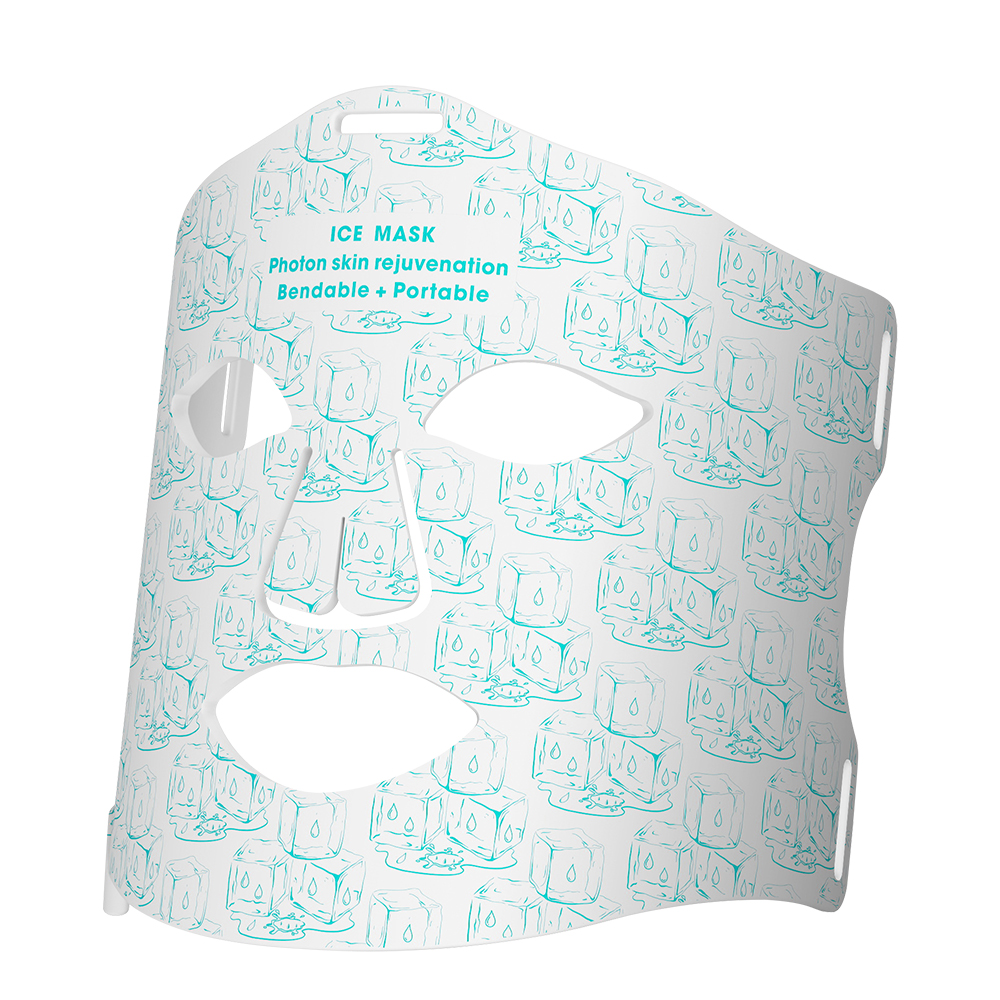
Integrated flexible medical-grade silicone with thermal stabilization and Peltier-assisted soothing mode for intensive post-laser recovery protocols.
View Platform Details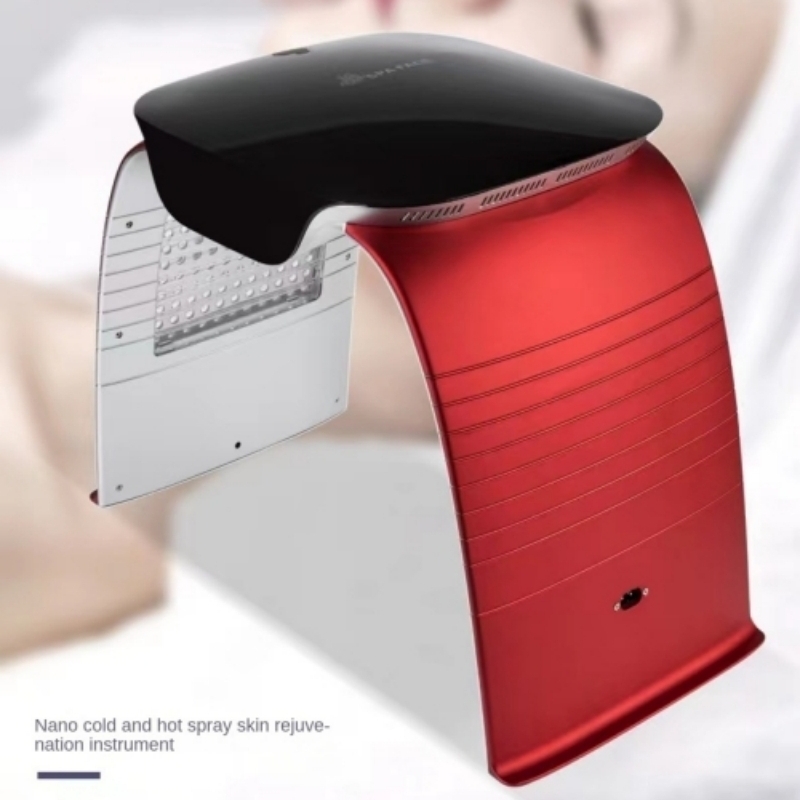
Rigid ergonomic contours deploying targeted multi-spectral photodynamic output. Engineered for dermal re-densification and epidermal clarification.
View Platform Details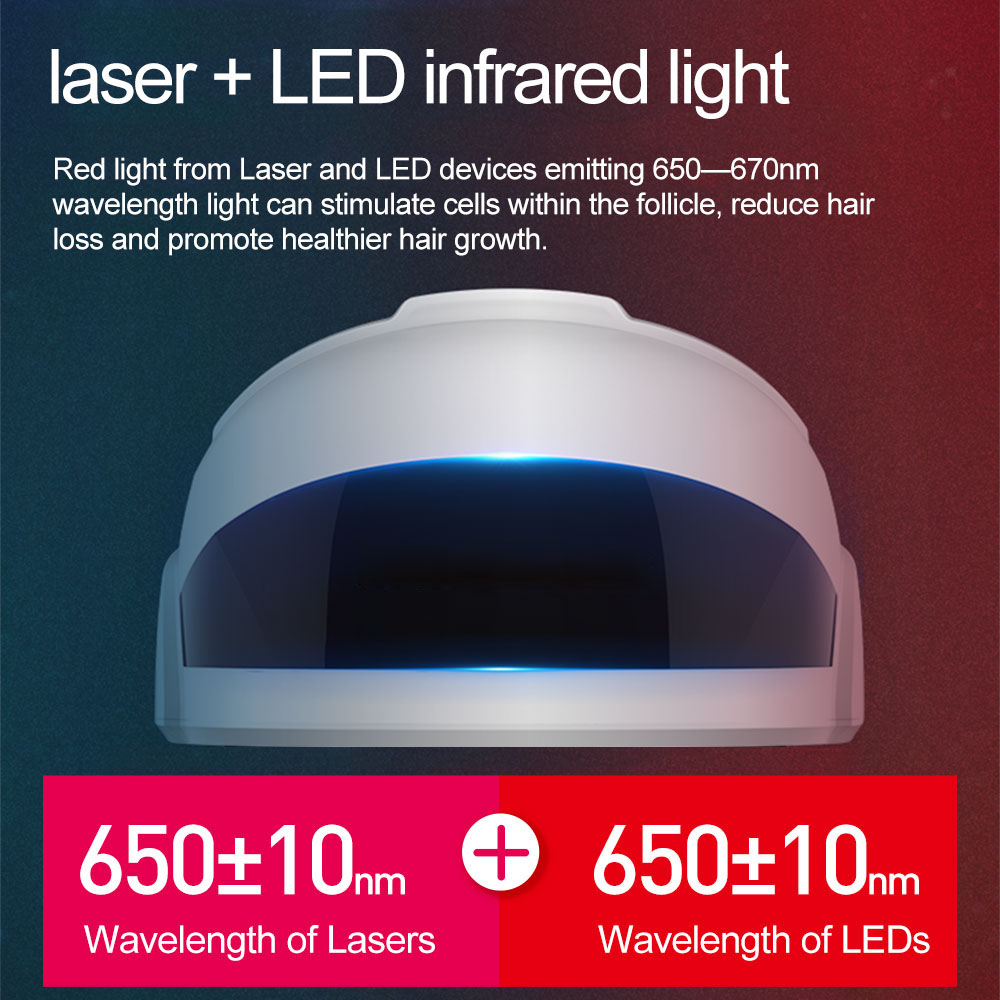
High-density coherent 650nm laser diode array delivering uniform scalp energy distribution, serving hair-restoration studios and dermatology clinics across Victoria.
View Platform Details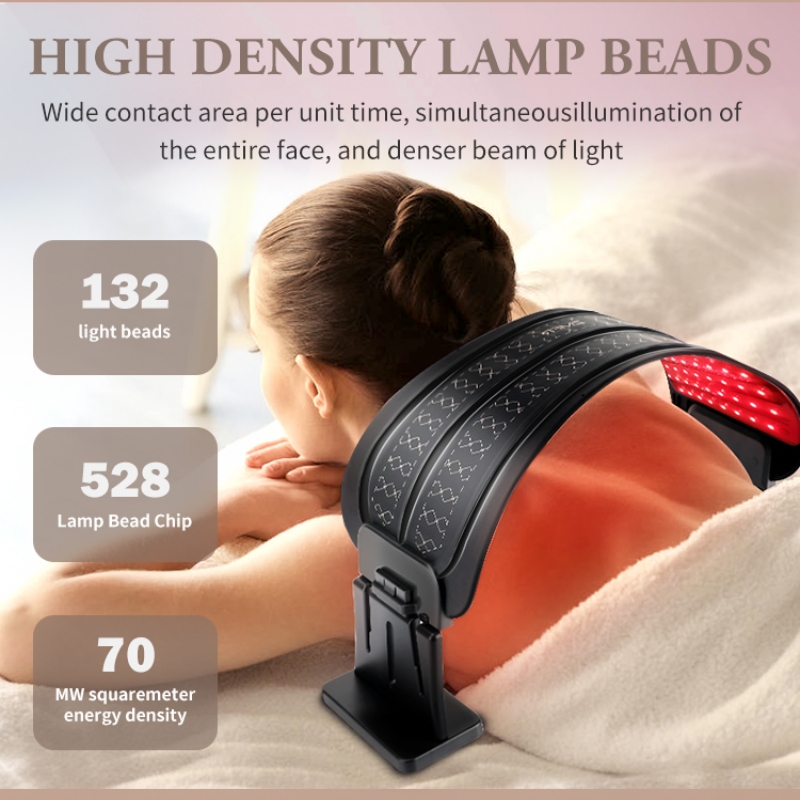
Flexible conformal design engineered for facial, neck, and décolletage positioning. Dual-wavelength array balancing deep fibroblast activation and superficial healing.
View Platform DetailsThe Greater Melbourne aesthetic corridor—stretching from high-end retail hubs in South Yarra and the CBD to multi-modality wellness clusters across Brighton, Carlton, and Box Hill—has undergone an unprecedented pivot toward non-invasive, photobiomodulation (PBM) technology. Victorian consumers demand non-thermal, zero-downtime therapies capable of mitigating aggressive photoaging induced by southern hemisphere ultraviolet extremes.
For medical spas, dermal clinicians, and private-label wellness startups in Melbourne, local assembly is rarely commercially viable due to escalating domestic manufacturing labor costs. Thus, sourcing from audited, technologically mature Tier-1 Shenzhen manufacturing hubs that integrate certified optical engineering with complete component traceability has become the bedrock of commercial competitive advantage.
Regulatory Compliance Insight: Therapeutic devices entering Victoria are governed by strict Therapeutic Goods Administration (TGA) classifications. Commercial partners must ensure their OEM manufacturer maintains pristine technical dossiers, including IEC 60601-1 electrical safety and IEC 62471 photobiological safety verifications.
Procuring LED therapy hardware for the Melbourne consumer and clinical ecosystem necessitates strict adherence to local electromagnetic compatibility (EMC) regulations under the Australian Communications and Media Authority (ACMA) and proper RCM marking.
Fanrun supplies complete technical construction files (TCF), enabling Australian importers and brand sponsors to execute rapid ARTG listings and customs clearances without protracted administrative hurdles.
Pioneering the convergence of narrow-band semiconductor optics, multi-chip packaging, and adaptive algorithmic irradiance delivery.
Moving beyond standard 20nm full-width at half-maximum (FWHM) dispersion to high-purity ±3nm semiconductor chips, isolating optimal cytochrome c oxidase stimulation bands at 633nm and 830nm without unneeded peripheral thermal load.
Consolidating Red, Near-Infrared, Yellow, and Deep Blue dies into micro-architectural SMD units. This allows four distinct clinical wavelengths to radiate through a single optical lens, eradicating spatial targeting gaps across human dermis.
Integrating programmable pulse frequencies (10Hz to 1000Hz) via intelligent microcontrollers. Pulsed light delivery allows cellular recovery intervals, optimizing ATP production while dramatically attenuating tissue heat build-up.
Shenzhen Fanrun Technology's automated production infrastructure delivers direct-from-factory agility to Australian aesthetic enterprises. By housing optical design, automated SMT PCB assembly, medical-grade silicone compression moulding, and ISO cleanroom packaging under one contiguous roof, we eradicate subcontractor markups and quality failure points.
Our Industry 4.0 framework links MES (Manufacturing Execution Systems) with automated optical inspection (AOI) spectrometers. Every LED mask batch undergoing production is tested for optical flux, spectral distribution, and thermal degradation before packaging.
Independent before-and-after evaluations derived from clinical partner protocols utilizing Fanrun core OEM device architectures.
"Following protocol implementation utilizing motorized micro-channeling paired with immediate 630nm LED phototherapy, post-inflammatory erythema was reduced by 43% within 48 hours compared to passive control."
"Consistent application of 830nm NIR coupled with 630nm Red light over an 8-week period demonstrated measurable increases in dermal density and reduction in periorbital fine lines among subjects aged 35–55."
"Subjects exhibiting androgenetic alopecia treated with uniform 650nm coherent low-level laser therapy demonstrated a marked increase in terminal-to-vellus hair ratios over a 16-week cycle."
Fully customizable private-label aesthetic machinery: housing colors, wavelength configurations, custom user-interface programming, and bespoke packaging.

Anti-aging 4-color phototherapy mask engineered with cold-compress soothing functions for clinical aftercare and premier spa treatments.
Request OEM Pricing
High-powered photodynamic facial aesthetic mask platform developed for clinics, dermal therapy schools, and day spas throughout Victoria.
Request OEM Pricing
Clinical-grade 650nm coherent low-level laser cap for targeted follicular revitalisation, alopecia management, and hair retention clinics.
Request OEM Pricing
Ergonomic contouring silicone panel delivering concentrated photon irradiance to accelerate cellular rejuvenation across face and neck regions.
Request OEM Pricing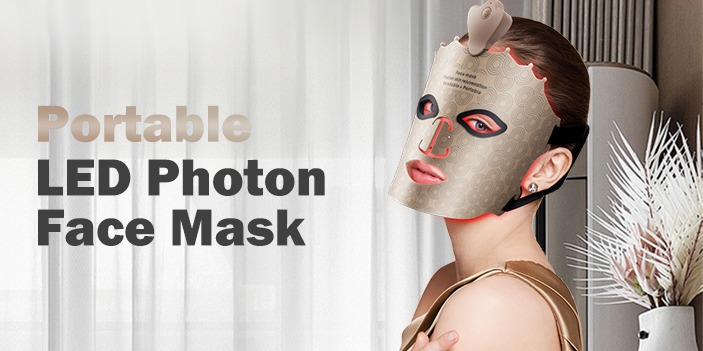
Comprehensive private-label spectrum offerings supporting dual, triple, and quad-band configurations for premium cosmetic distributors.
Explore LED Range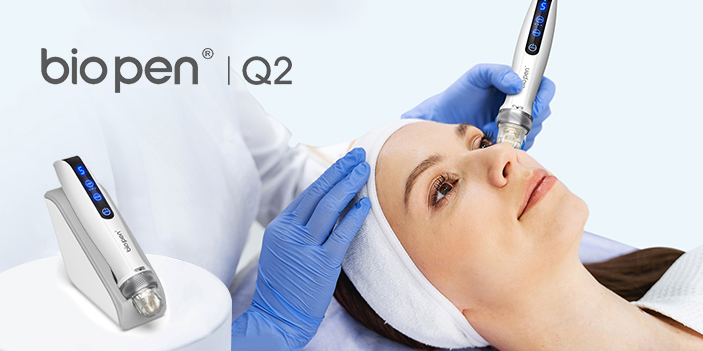
Wireless multi-speed motorized micro-channeling handpiece engineered with surgical-steel and titanium cartridge compatibility.
Explore Pen Range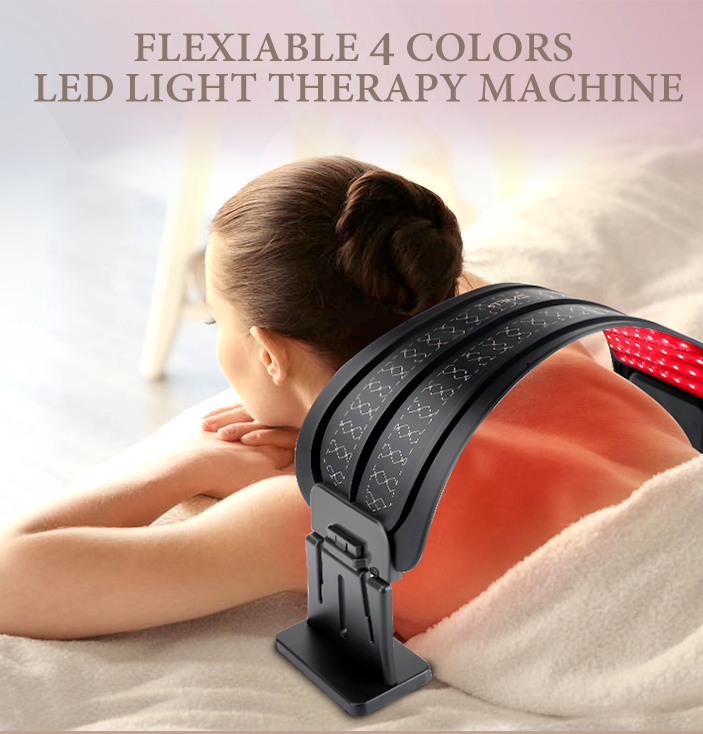
Dual-purpose ergonomic form-factor delivering therapeutic wavelength irradiation across facial dermal planes and cranial follicular roots.
Explore Helmet Range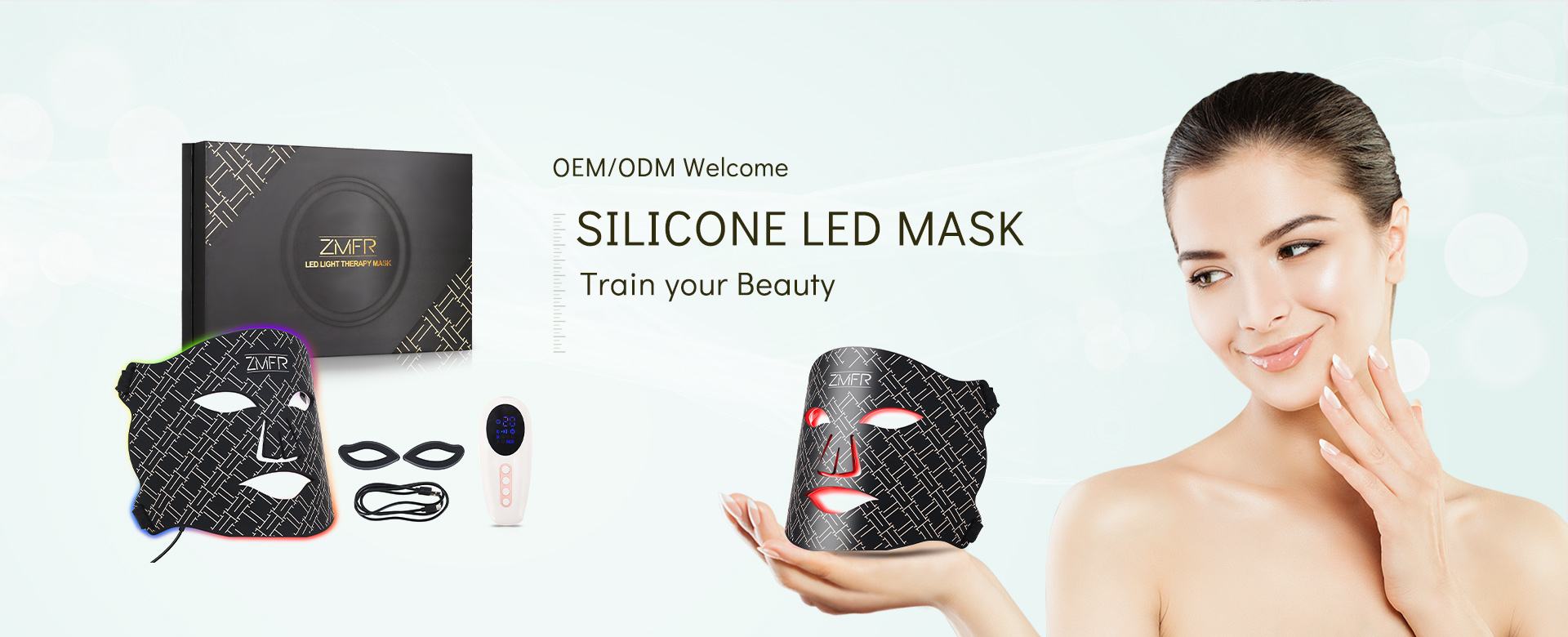
Biocompatible platinum-cured silicone frame tested via TUV/SGS. Calibrated photon penetration depths for prestigious clinical brands.
View Full SpecsA structured, auditable 6-stage OEM/ODM framework engineered to mitigate commercial risk, compress lead times, and guarantee compliance.
Definition of target irradiance metrics, exact wavelength nanometer parameters, shell form-factor, battery runtime constraints, and Australian regulatory categorisation (ARTG/EMC).
CAD mould design, SMT board topography arrangement, and spectral simulation to guarantee uniform irradiance distribution without hot spots or chromatic aberration.
Rapid CNC and silicone prototype production within 10–14 days for ergonomic review, light intensity confirmation, thermal threshold validation, and aesthetic branding approval.
Material testing dossiers via TUV/SGS for skin biocompatibility, combined with EMC testing, LVD electric safety, and RoHS adherence to ensure effortless import clearance into Australia.
High-volume execution within static-controlled cleanrooms. In-line spectrophotometer scanning of each PCB assembly to ensure diode batch uniformity across every delivery.
Direct consignment to Melbourne Port (Port of Melbourne) or air freight to Tullamarine Airport, complete with certified battery documentation (MSDS, UN38.3) and customs clearance files.
Key analysis and data on global medical device trends driving product assortment decisions in the Australian aesthetic space.
Comprehensive analysis of solid, coated, dissolving, and hollow micro-needle configurations for clinical transdermal drug delivery and dermal rejuvenation.
Read WhitepaperExamination of market dynamics fueling rapid growth in at-home laser devices, consumer photobiomodulation helmets, and clinical LED systems through 2028.
Read WhitepaperReviewing cross-regional regulatory pathways, adoption benchmarks, and commercial metrics across the United States, Canada, and Australian import markets.
Read WhitepaperStrategic briefing on emerging consumer trends across Australia, New Zealand, and East Asia, where multi-modality phototherapy adoption is outpacing conventional devices.
Read Hot BlogKey technical, regulatory, and logistics answers for sourcing directors and aesthetic equipment distributors.
Yes. Fanrun provides comprehensive OEM private label services (custom silk-screen or laser logos, specialized Pantone shell colorways, luxury packaging, and user manuals formatted for Australian English conventions). Furthermore, we support deep ODM engineering—including bespoke optical tooling, customized SMT circuit layouts, unique wavelength blending (such as custom 415nm/590nm/630nm/830nm ratios), and specialized timer/pulsing logic engineered specifically for your clinic or retail brand.
Our complete device inventory complies with CE (EMC & LVD directives) and RoHS standards. All direct skin-contact materials, specifically our medical-grade flexible silicone, have undergone rigorous biocompatibility and food-grade safety assessments certified by TUV and SGS. Complete test certificates, factory ISO documentation, and full technical construction files (TCFs) are accessible to verified buyers for local regulatory validation.
Standard verified configurations feature target blue light (~415 nm) for P. acnes reduction, yellow (~590 nm) for lymphatic and redness relief, clinical red (~630 nm) for pro-collagen synthesis, and deep near-infrared (~830 nm) for profound subcutaneous tissue repair. Specific irradiance ratings range from 30 mW/cm² up to 105 mW/cm² depending on the form-factor (mask vs. clinic panel), all verifiable via our laboratory spectroradiometer reports.
We believe in radical operational transparency. Simply request the official report and certificate numbers from our international sales department. You can verify these directly through the online verification portals of the respective testing bodies, such as TUV Rheinland, SGS, or designated European notified bodies, confirming validity prior to contract commitment.
MOQ varies based on customization depth: standard logo-imprint private-label runs start at low thresholds (often 100 to 500 units), while complex structural ODM tooling requires higher commitments. Prototyping typically takes 10 to 14 days, followed by mass manufacturing cycles of 25 to 35 business days. Transit to Melbourne via air express averages 4 to 7 business days; sea shipping to the Port of Melbourne typically takes 14 to 20 days.
Partner directly with an established Shenzhen OEM/ODM manufacturing facility. Request our confidential technical catalogs, compliance dossiers, and tiered B2B pricing schedules today.
To verify authenticity, request the certificate number from our team and check it on the issuing body's official portal. Contact us