

Direct factory production lines engineered to meet clinical-grade pore tightening, collagen remodeling, and follicular activation standards.


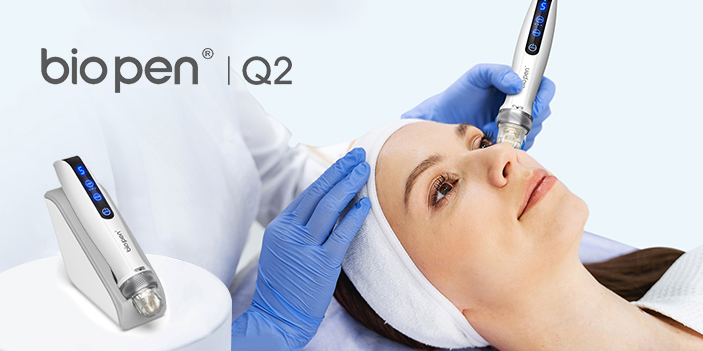
Enlarged facial pores (prominent ostia) are biomechanically driven by degraded peri-follicular collagen, hyperactive sebaceous glands, and lost structural elasticity. As a vertically integrated OEM manufacturer, Fanrun engineers medical-grade microneedling mechanisms that trigger targeted Collagen Induction Therapy (CIT) without mechanical epidermal tearing.
Controlled mechanical micro-punctures penetrate 0.25mm–2.5mm into the papillary and reticular dermis. This controlled trauma activates platelet-derived growth factor (PDGF) and transforming growth factor-beta (TGF-β), transforming immature Type III collagen into structural Type I collagen that structurally tightens follicular walls.
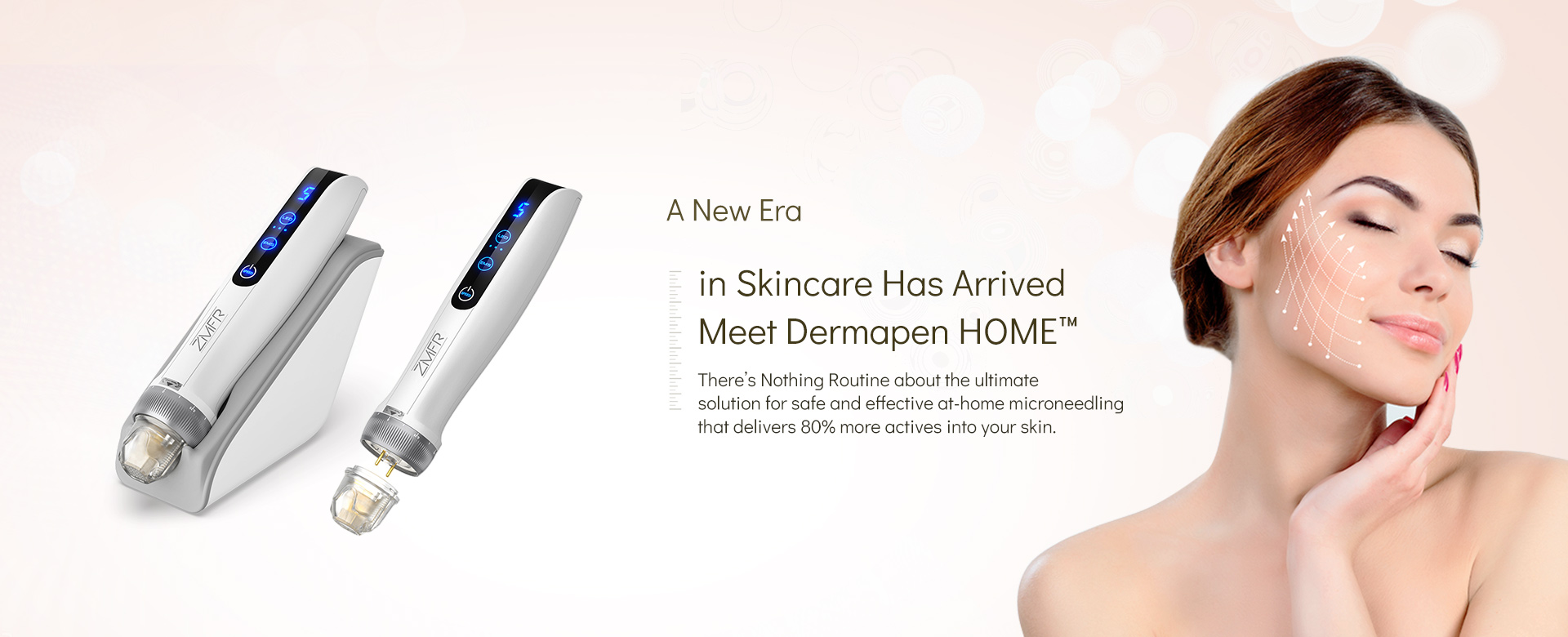
Conventional low-cost derma rollers cause epidermal furrowing and laceration at curved impact angles. Fanrun OEM microneedle pens employ high-frequency brushless motors achieving up to 18,000 RPM with zero horizontal run-out. Needle entries maintain strict 90-degree vertical pathways, preventing micro-scarring around delicate pore perimeters.
By establishing up to 120,000 micro-channels per minute through the stratum corneum, transdermal bioavailability of pore-clarifying actives increases by over 80%. Integrating automated serum infusion cartridges enables targeted delivery of niacinamide, high-molecular HA, and exosome serums directly into the perifollicular envelope.
Global market demand for transdermal pore minimization technology has transitioned from primitive rolling needles to smart-regulated energy and micro-mechanical platforms. Sourcing directors face distinct multi-regional procurement pressures.
Driven by strict FDA compliance frameworks, medical spas and D2C brands require medical-grade sterilizable needle tips (316 surgical steel / biocompatible titanium), anti-backflow silicone membranes, and low-voltage electrical safety profiles tested to UL and FCC criteria.
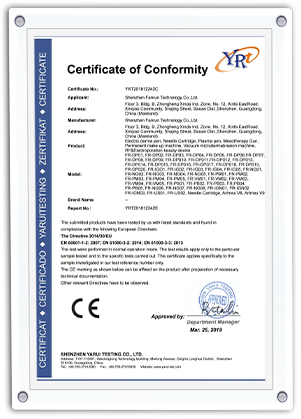
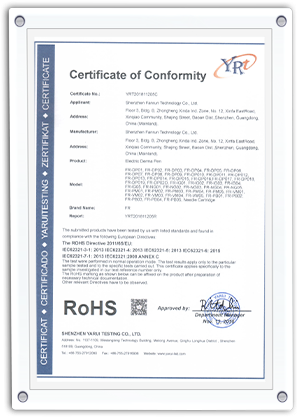
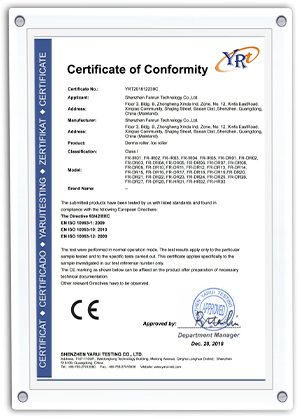
European buyers navigating CE certification and MDR (Medical Device Regulation 2017/745) demand comprehensive biocompatibility documentation (ISO 10993 cytotoxicity and skin irritation profiles) alongside full RoHS hazardous-substance clearance on PCB assemblies.
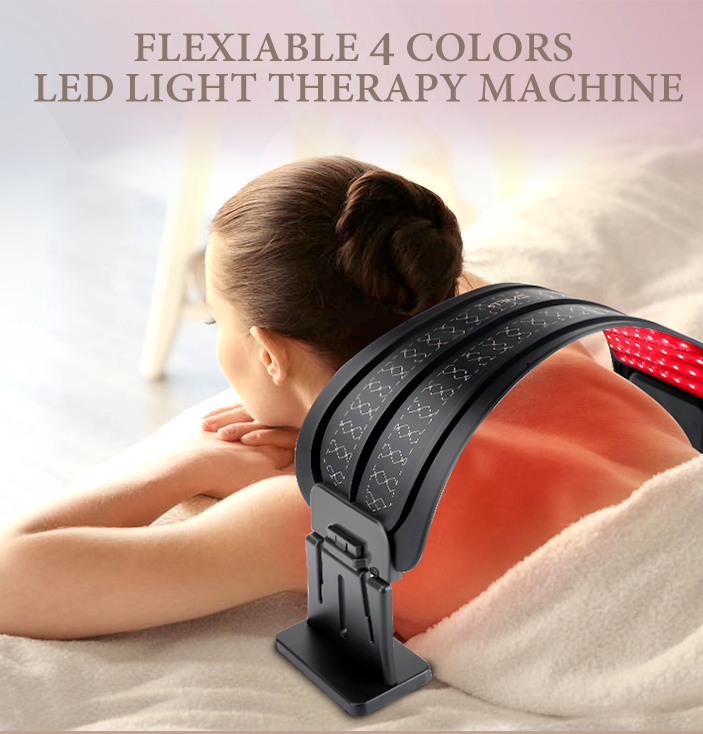
Fast-scaling clinical skincare chains across Korea, Japan, and Southeast Asia focus heavily on hybrid systems combining micro-channeling with multi-spectrum photodynamic LED therapy (415nm Blue for sebum control, 630nm/830nm for collagen repair) to compress downtime.
Shenzhen Fanrun Technology leverages over 360 proprietary patents to continuously push the boundary between clinical dermatology equipment and connected aesthetic hardware.
Modern skin has variable epidermal thickness across facial t-zones. Our integrated smart micro-controllers adjust linear motor stroke force within microseconds, maintaining accurate depth penetration across thickened nasal perimeters and delicate infraorbital boundaries.
Transitioning from metal-only punctures to hybrid biocompatible polymer cartridges containing crystallized peptide matrixes that dissolve within the dermis, concurrently contracting the pore while delivering sterile therapeutic payloads.
Bluetooth Low Energy (BLE) modules connecting derma pens and LED devices directly to end-user diagnostic smartphone apps, mapping pore diameter reduction over 60-day cycles and tailoring clinical pulse frequencies to real-time client recovery metrics.
Founded in 2013, Fanrun consolidates product industrial design, medical mold injection, optical SMD LED surface-mount operations, and ISO-standard cleanroom assembly under a singular high-throughput campus.
All microneedling needle cartridges are assembled inside Class 100,000 cleanrooms and sealed in medical blister packaging subjected to EO (Ethylene Oxide) gas sterilization, providing complete sterility assurance (SAL 10⁻⁶).
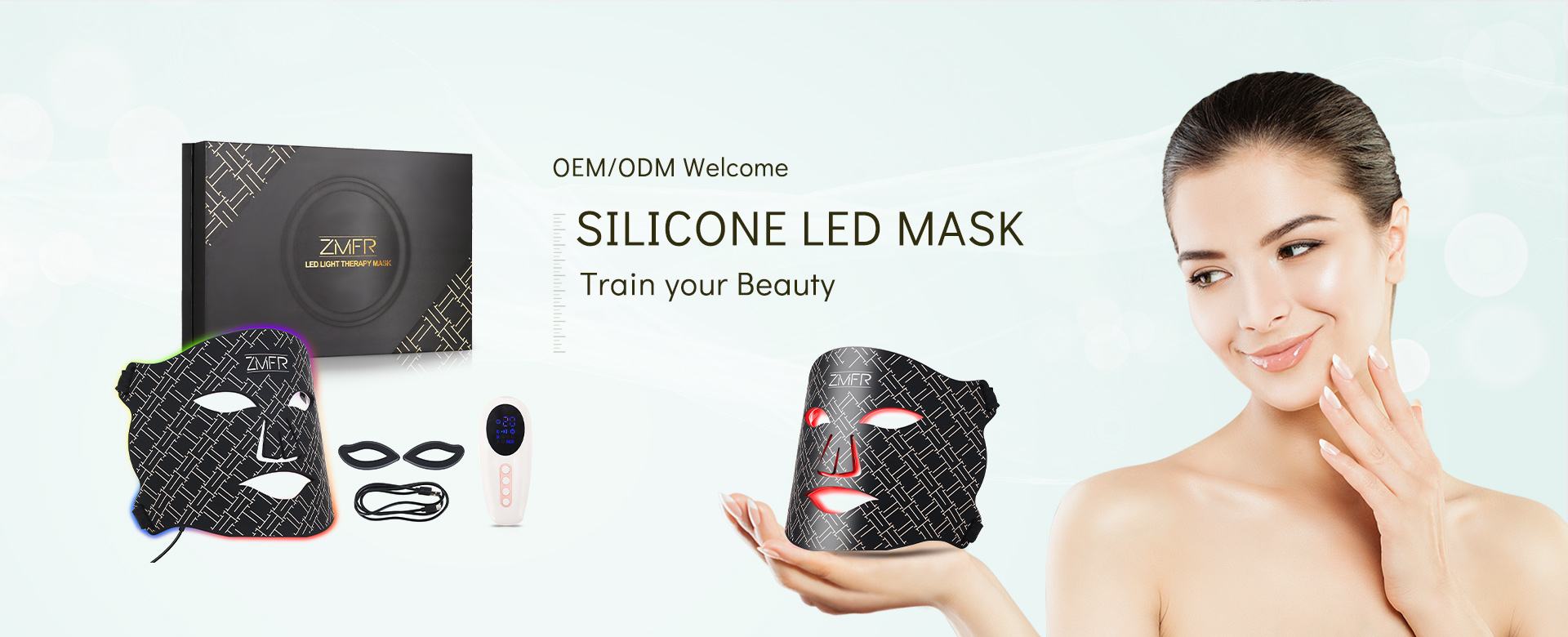
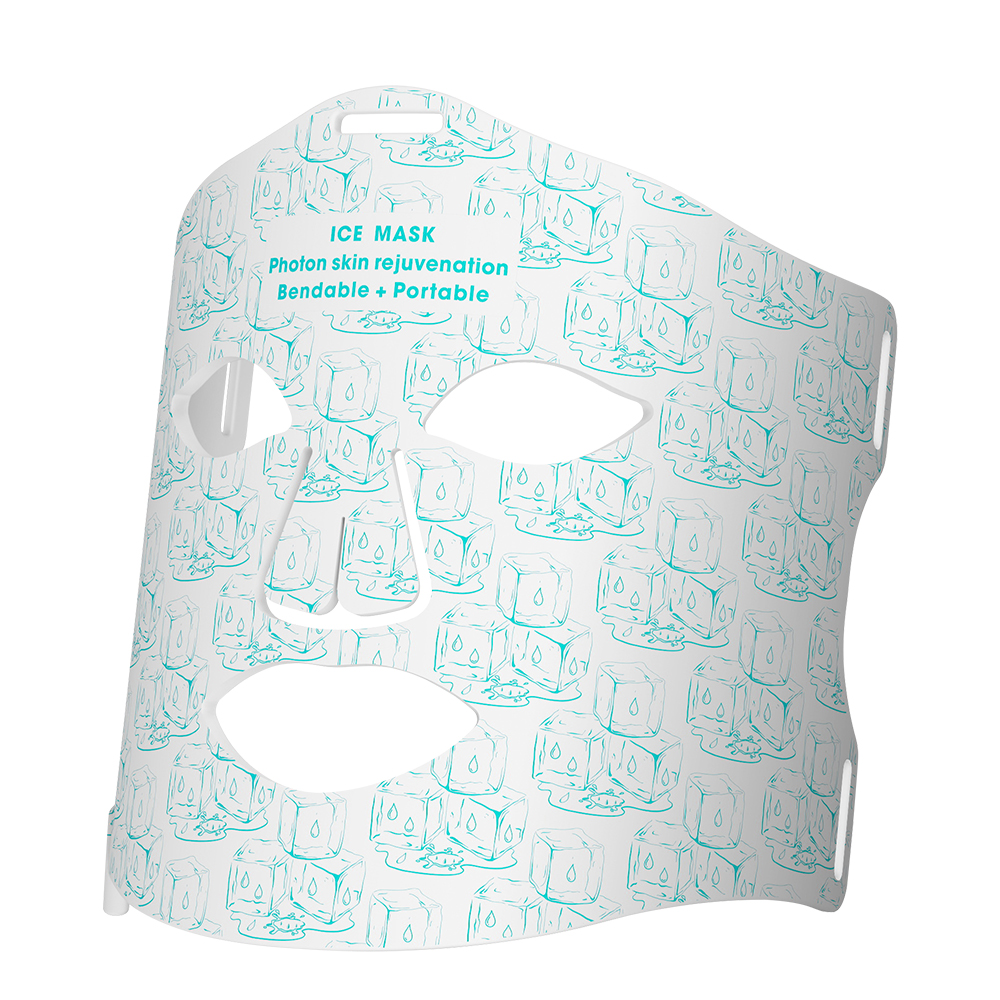
Skin-contact soft components, including our flexible silicone photonic pore masks, undergo rigorous multi-point toxicity, migration, and biocompatibility evaluations verified by TUV and SGS testing labs.
Comprehensive personalization capabilities across motor torque profiles, battery mAh capacity, CNC aluminum chassis finishes, custom Pantone silicone tinting, firmware UI, and customized outer retail packaging.
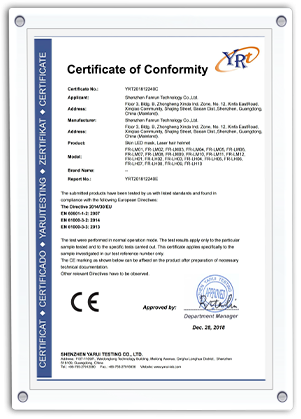
Direct verification of our international production and safety standards.





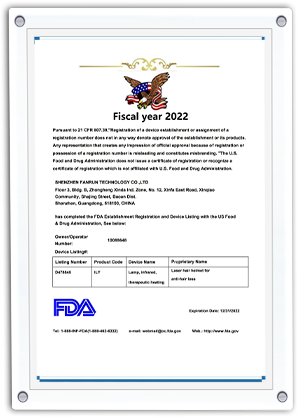
Detailed technical and commercial answers directly addressing engineering feasibility, certifications, and high-volume supply chain logistics.
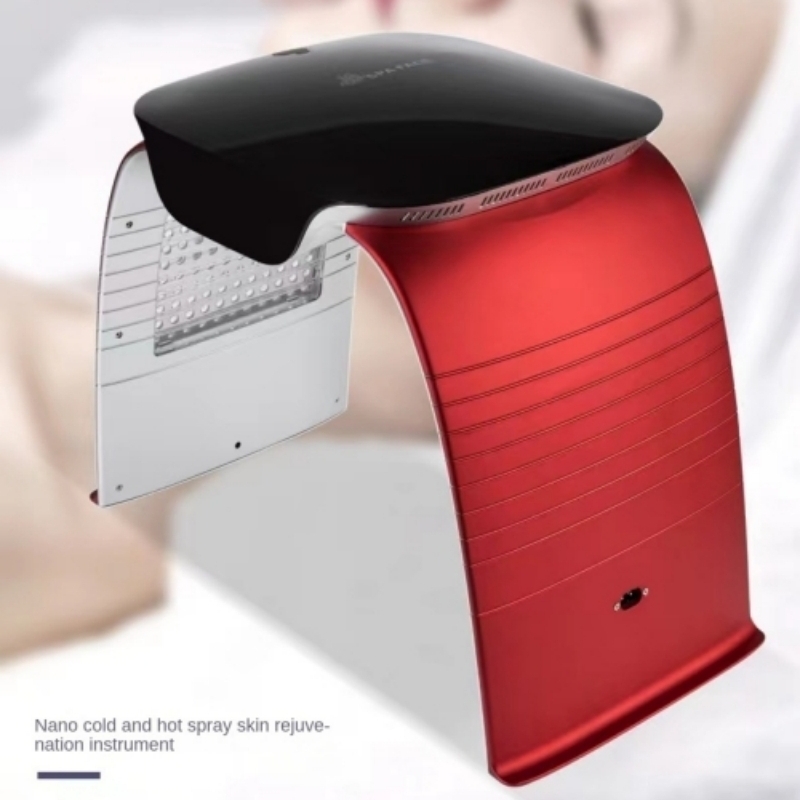
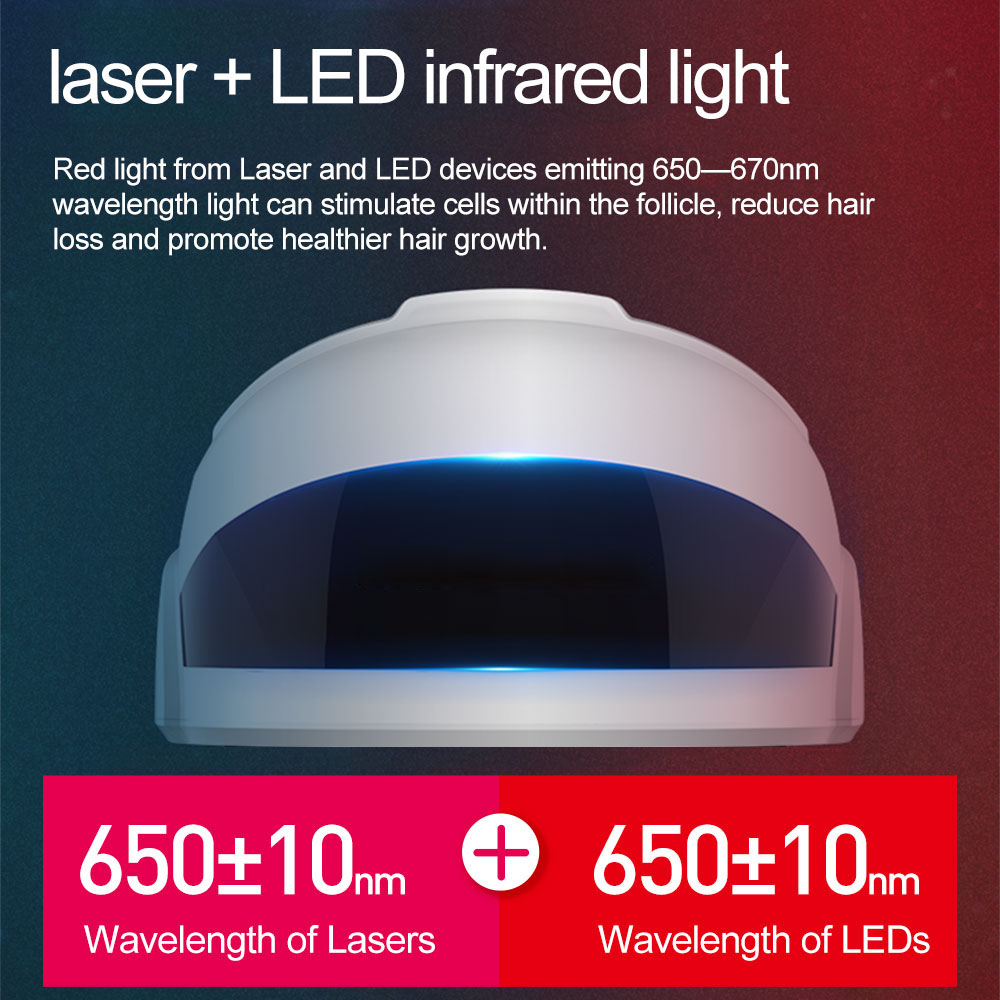
Explore our full line of customizable skin revitalization and micro-channeling platforms engineered for reliable global retail and clinical rollout.
To verify authenticity, request the certificate number from our team and check it on the issuing body's official portal. Contact us