Explore our core engineering architectures available for scalable white-label branding, customized micro-needle displacement, and medical clinical distribution.


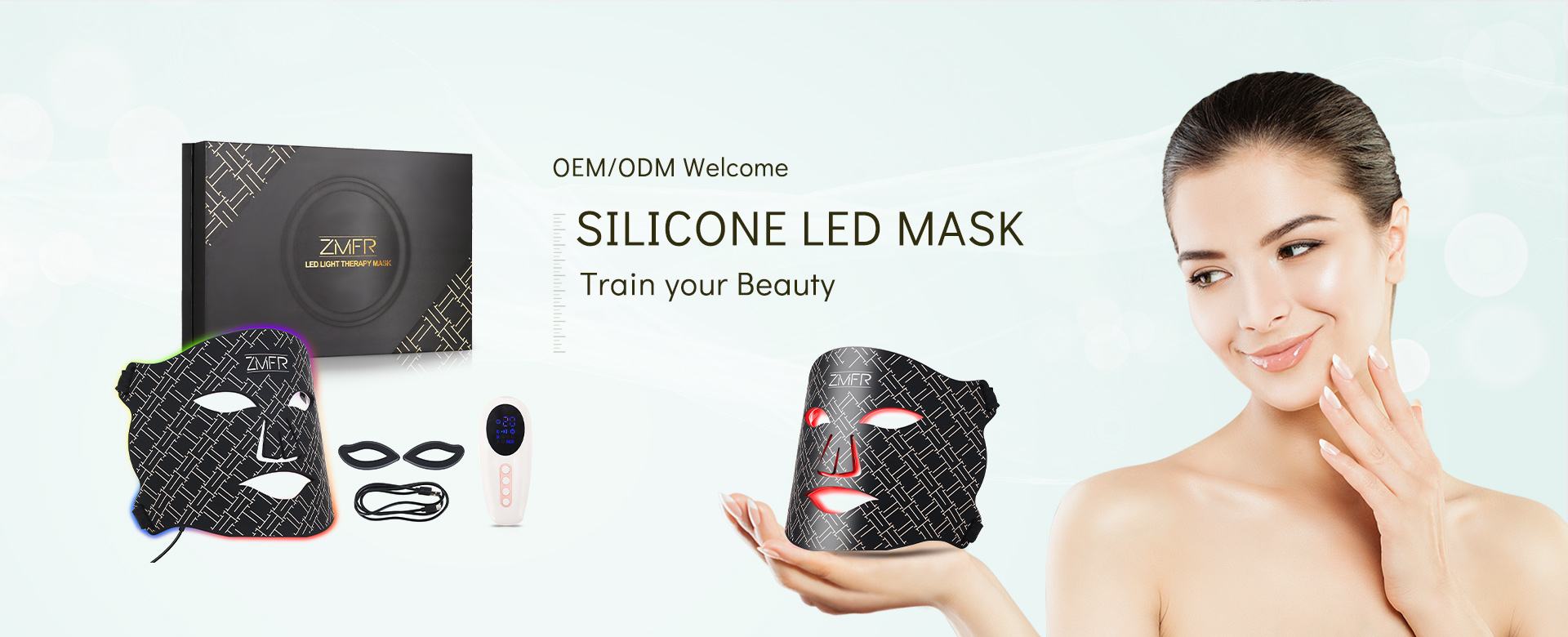
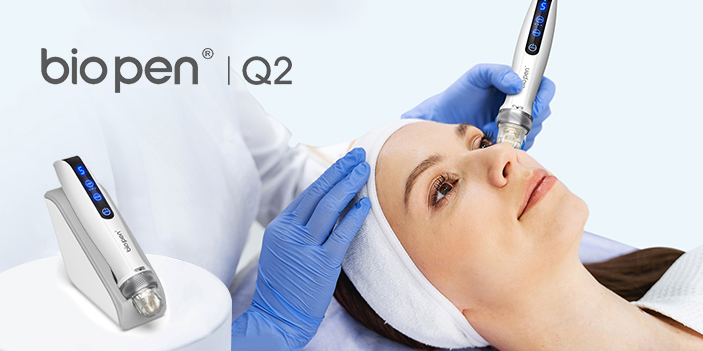
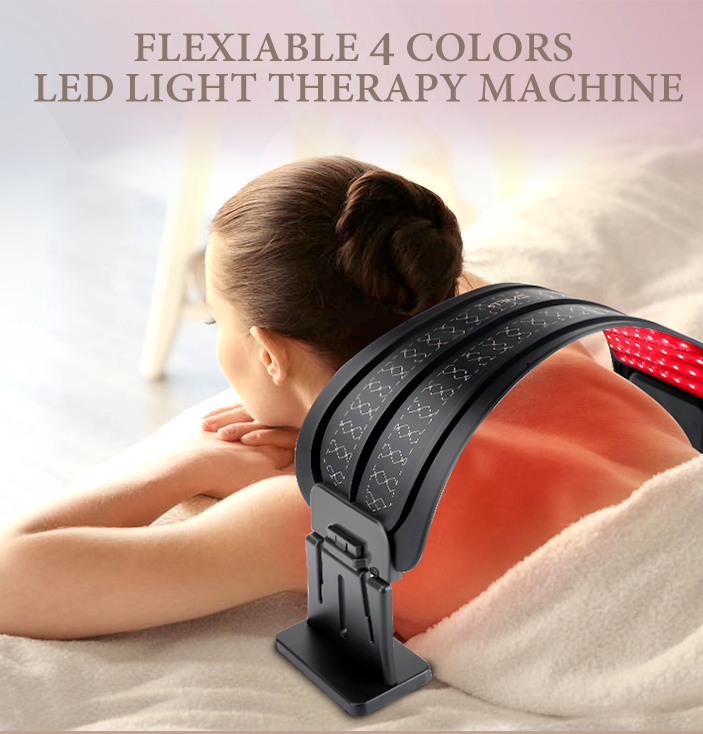
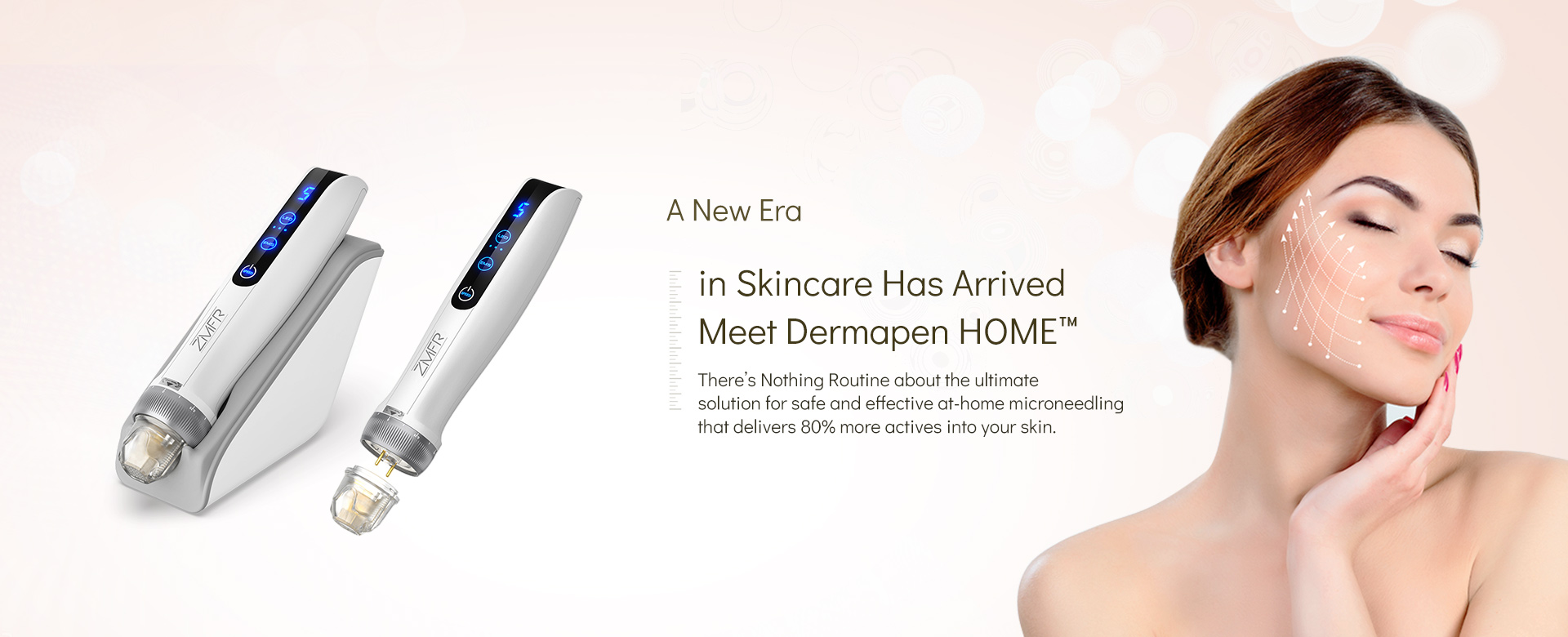
The global demand for microneedling devices targeting atrophic (pitted) acne and surgical scars has witnessed an unprecedented technical transition. Clinical buyers, dermatology networks, and multinational wellness brands are pivoting away from passive dermarollers to high-torque, electronically stabilized medical microneedling systems.
Pitted scars—predominantly classified into icepick, rolling, and boxcar geometries—stem from structural collagen degradation and rigid subcutaneous myofibroblastic tethering. Standard cosmetic dermarolling induces epidermal drag and jagged shearing due to rotational puncture vectors. Professional procurement mandates vertical needle insertion mechanisms with needle penetration tolerances strictly constrained within ±0.03 mm to effectively break deep subcutaneous fibrotic bands without inducing post-inflammatory hyperpigmentation (PIH).
Modern clinical procurement teams prioritize fluid dynamics during scar induction. During high-frequency reciprocating actions (12,000–18,000 RPM), exudate fluid backflow presents extreme cross-contamination hazards. Tier-1 enterprise buyers now reject unsealed derma pen cartridges, enforcing integrated silicone fluid barrier membranes and sterile ultrasonic welding. Furthermore, the needle taper profiles (33G ultra-fine 316 surgical steel) must resist bending when striking dense, fibrotic scar scar tissue beds.
As regulatory scrutiny tightens globally, beauty brands and medical equipment groups demand traceable manufacturing ecosystems. OEM suppliers must showcase ISO 13485-compliant automated assembly facilities, Class 100,000 cleanroom needle packaging, and automated vision inspection for needle concentricity. Traceability across raw surgical steel batches, motor longevity ratings, and battery safety (UN38.3) forms the baseline of tier-1 institutional purchasing contracts.
Operating from Shenzhen, China since 2013, Shenzhen Fanrun Technology integrates R&D, tooling, and mass assembly under one roof. Our engineers solve line challenges directly, guaranteeing uniform batch quality and export-ready compliance files.
Pitted scar remodeling cannot rely on isolated mechanical ablation alone. Comprehensive clinical outcomes require an integrated bio-engineering approach combining deep mechanical micro-injury with multi-wavelength phototherapy.
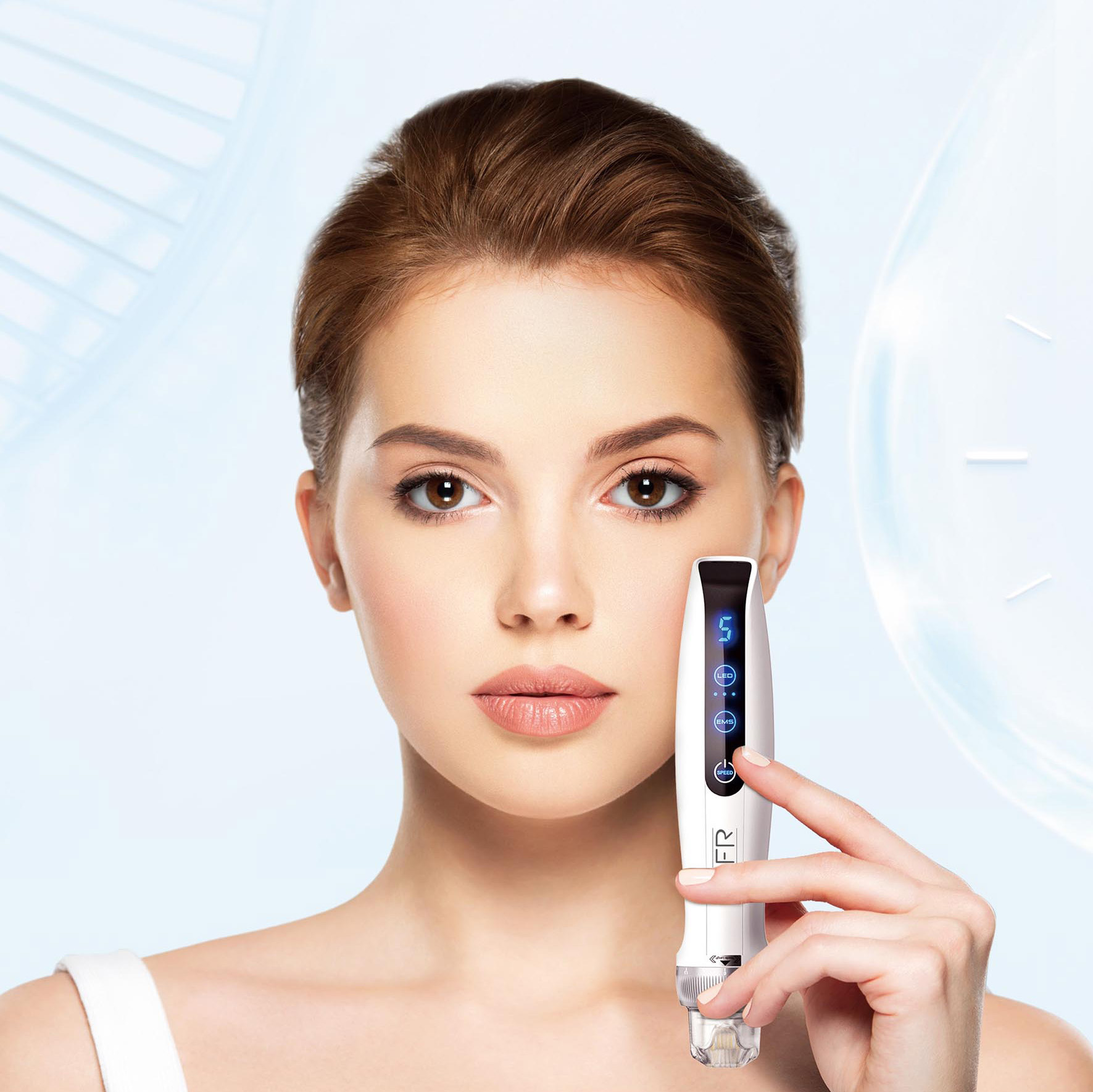
Our OEM motorized derma pens feature high-stability coreless drive motors delivering uniform puncturing resistance across varying epidermal densities. By penetrating 1.5mm to 2.5mm into the dermis at calibrated speeds, the system unbinds compact fibrotic collagen bundles in rolling and boxcar scars, instigating an acute healing cascade that triggers Type-I and Type-III collagen synthesis without thermal damage.
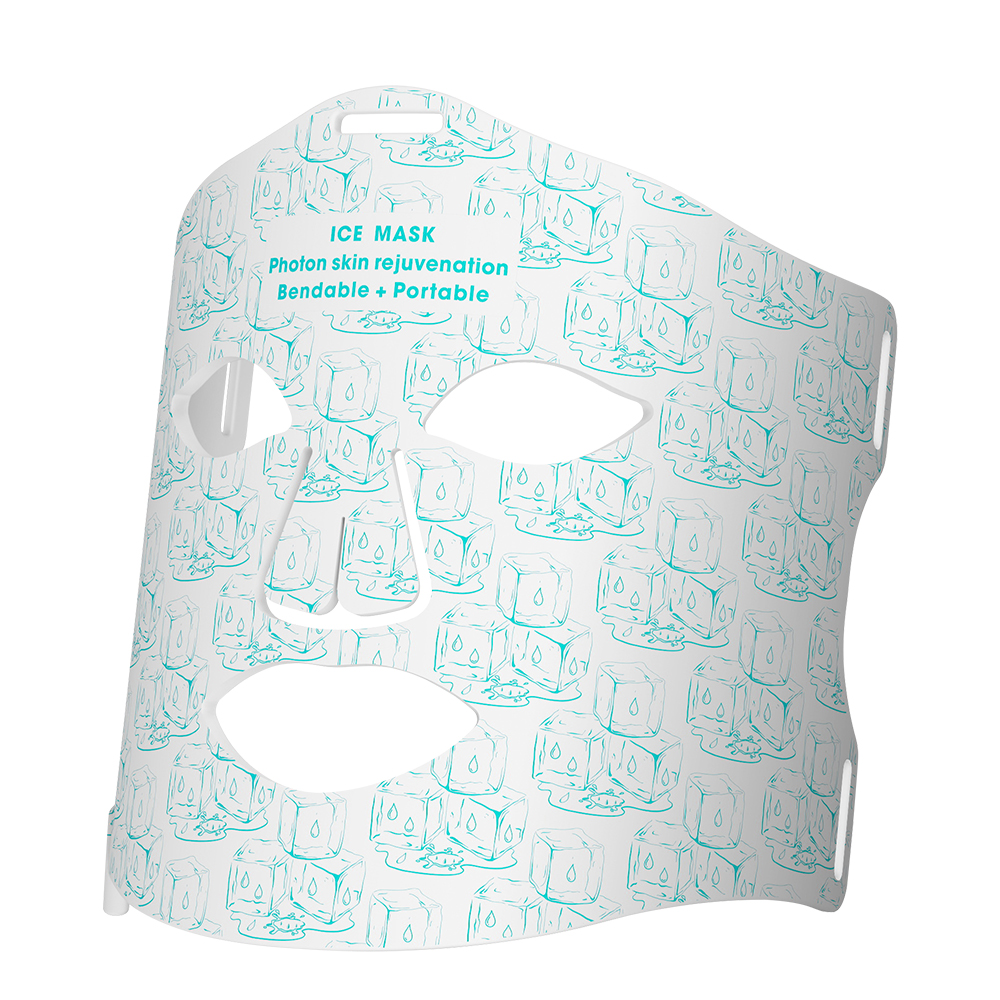
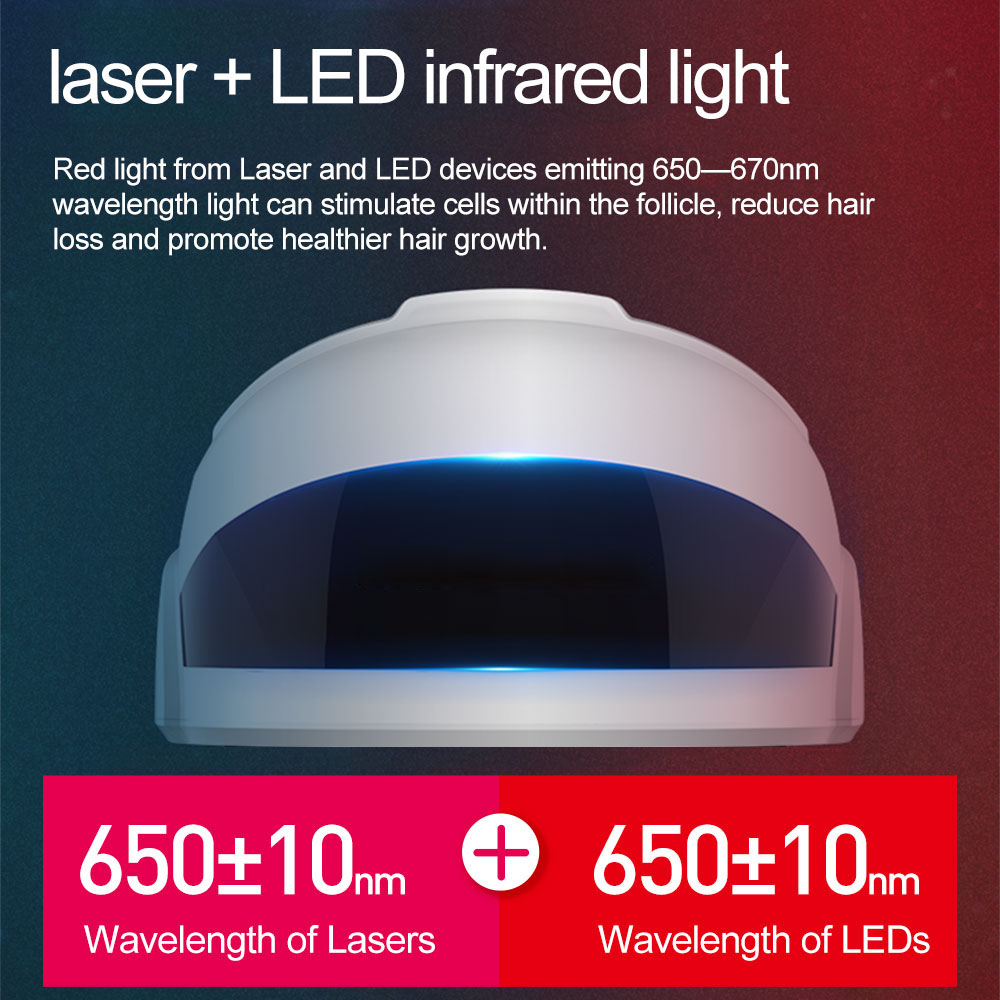
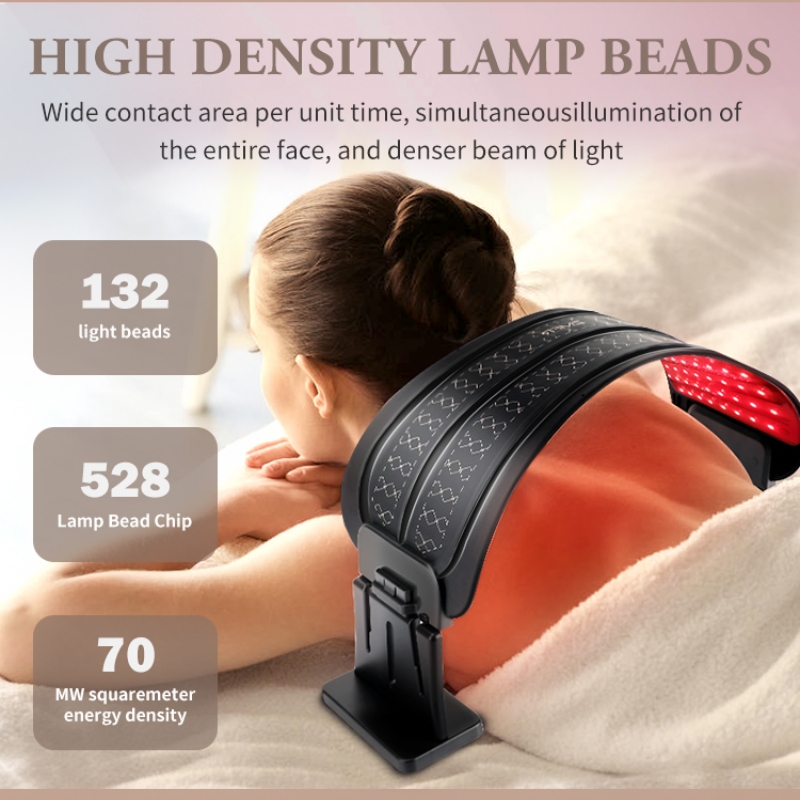
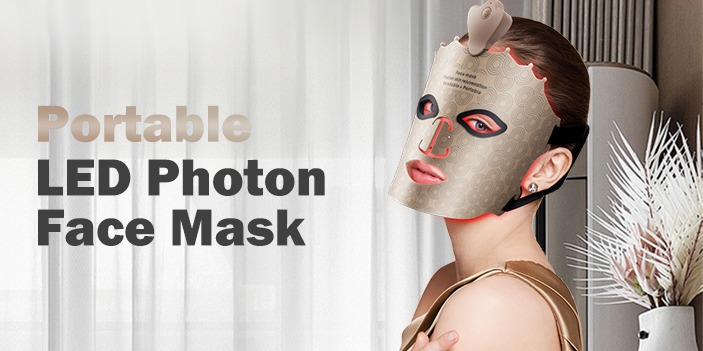
Immediate application of Fanrun's medical silicone LED therapy panels initiates cellular biostimulation. Near-Infrared (830nm) reaches the deep reticular dermis to accelerate fibroblast proliferation and reduce post-treatment edema, while Red light (630nm) regulates matrix metalloproteinases (MMPs), ensuring newly deposited collagen forms an aligned matrix that elevates atrophic scar depressions.
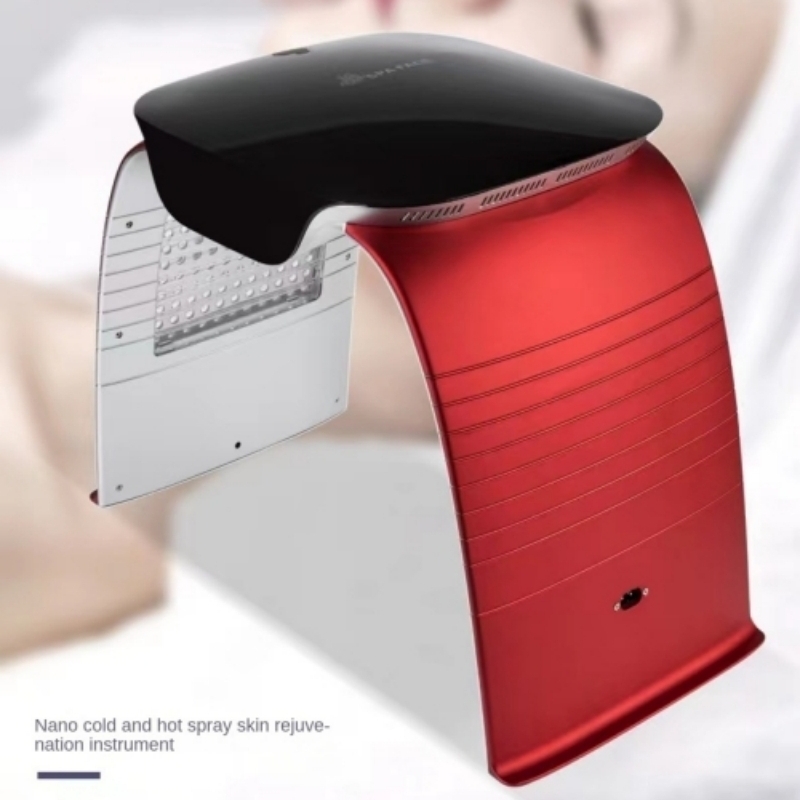
The integrated LM15 platform introduces localized ice/cooling parameters alongside phototherapy. Rapid post-procedural thermal down-regulation constricts micro-capillaries, significantly shortening downtime from 72 hours to under 12 hours. This dual mechanical-photonic-thermal protocol offers enterprise clients a turnkey, high-efficacy scar revision portfolio.
Shenzhen Fanrun Technology's dedicated R&D engineering divisions are actively standardizing breakthroughs across micro-electro-mechanical systems (MEMS) and clinical biosensing.
Integrating micro-sensors within needle cartridges to measure localized tissue resistance in real time. Because pitted scars exhibit higher tissue density than healthy adjacent skin, adaptive motors dynamically modulate reciprocating torque to maintain stable, exact penetration depth regardless of scar hardness.
Expanding the ODM mechanical envelope to accommodate bipolar fractional radiofrequency through gold-plated insulated microneedles. Electro-thermal coagulation delivers targeted energy directly to the bottom of the scar crater while sparing the epidermis from post-treatment hyperpigmentation.
Next-gen derma pens equipped with motorized micro-piston channels that synchronize puncturing cycles with micro-droplet delivery of exosomes, PDRN, and synthetic growth factors, bypassing the stratum corneum with quantifiable dosages directly into deep pitted depressions.
Independent certifications and analytical reports supporting straightforward customs clearance and international regulatory compliance for global importers.
Complete compliance covering Low Voltage Directives (LVD), Electromagnetic Compatibility (EMC), and hazardous substance restrictions for all electrical units.
Skin-contact silicones and polymer components pass comprehensive food-grade, biocompatibility, and cytotoxicity tests to guarantee zero adverse reactions.
Technical dossiers, device master records (DMR), and design history files (DHF) pre-structured for US 510(k) and EU MDR technical documentation filing.
Request certificate and inspection report numbers from our sales engineers to authenticate credentials directly through official TUV/SGS verification portals.
From private labeling of existing clinical-grade platforms to full bespoke development from the ground up, we oversee each structural phase in-house.
Definition of clinical positioning, mechanical stroke parameters, needle cartridge configurations, regulatory hurdles, and target price points.
Custom housing ergonomics, internal chassis CAD modeling, structural FEA analysis for high-RPM vibration dampening, and optical mold development.
High-precision SLA 3D prototypes, working CNC mechanical units, motor durability validation, and bespoke luxury packaging proofing.
Pre-market regulatory evaluations: EMC/EMI noise emission checks, battery abuse profiles, biocompatibility tests, and sterile barrier integrity reviews.
Lean manufacturing assembly lines with complete batch traceability, automated vision checking for micro-needle concentricity, and PCB automated testing.
AQL 0.65/1.0 final quality control auditing, certified export packing, temperature-controlled sea/air logistics, and ongoing spare parts commitments.
Direct technical and operational answers to common inquiries raised by clinical procurement managers and brand directors.
Deploy reliable aesthetic and clinical hardware solutions designed for global clinics, beauty distributors, and direct-to-consumer medical brands.

Partner with an established ISO-standard manufacturer. Request our comprehensive B2B device catalog, technical datasheets, and direct factory pricing schedules today.
To verify authenticity, request the certificate number from our team and check it on the issuing body's official portal. Contact us