Production-ready aesthetic platforms certified for clinical performance, micro-infusion delivery, and cross-border regulatory compliance.

Flexible optical silicone matrix integrating cryo-calming functionality for post-microneedling erythema reduction.
Configure Platform
Multi-spectral photodynamic matrix engineered for post-transdermal drug absorption enhancement in professional clinics.
Configure Platform
Low-level 650nm laser architecture targeted at stimulating dermal papilla cells following follicular liquid peptide micro-channeling.
Configure Platform
Ergonomic, adaptable skin-contact phototherapy panel optimizing fibroblastic collagen induction therapy.
Configure Platform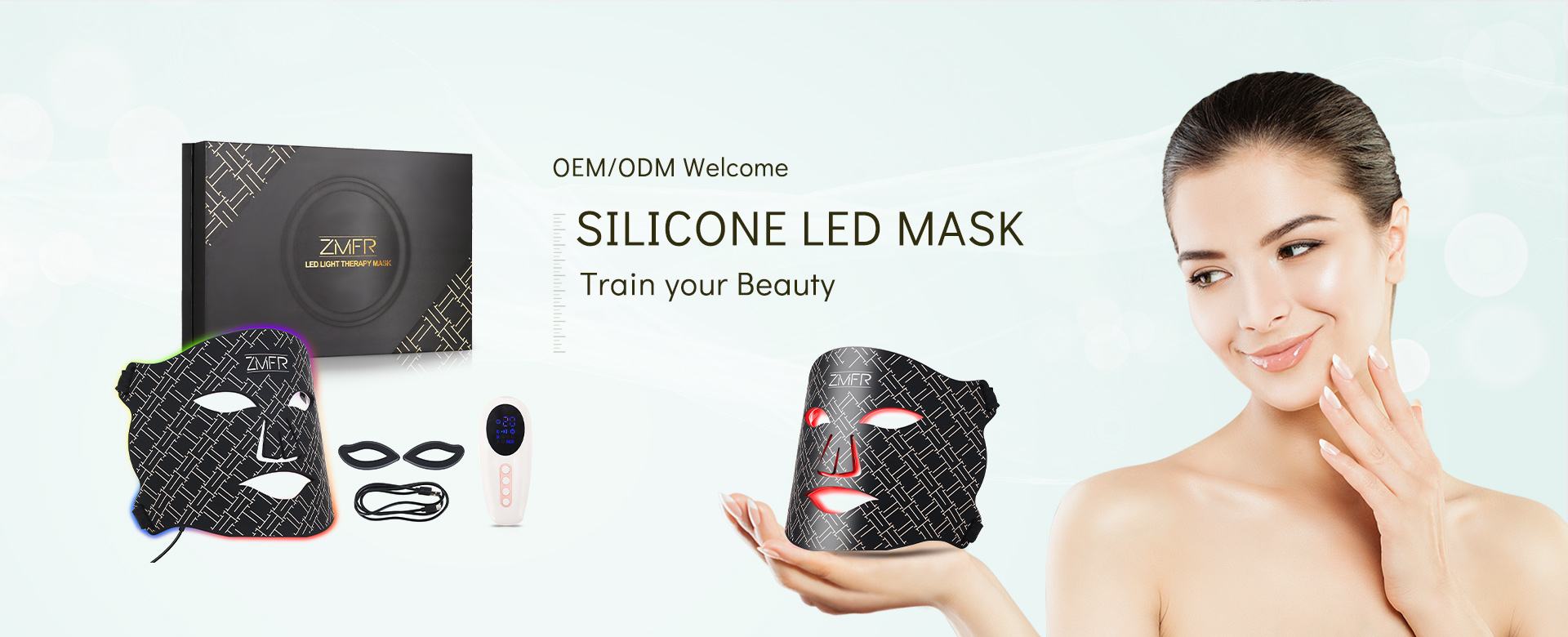
TUV/SGS certified bio-inert silicone device engineered for omnidirectional facial photon delivery.
Configure Platform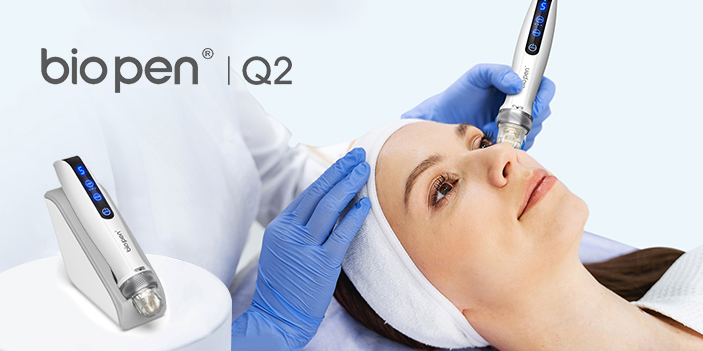
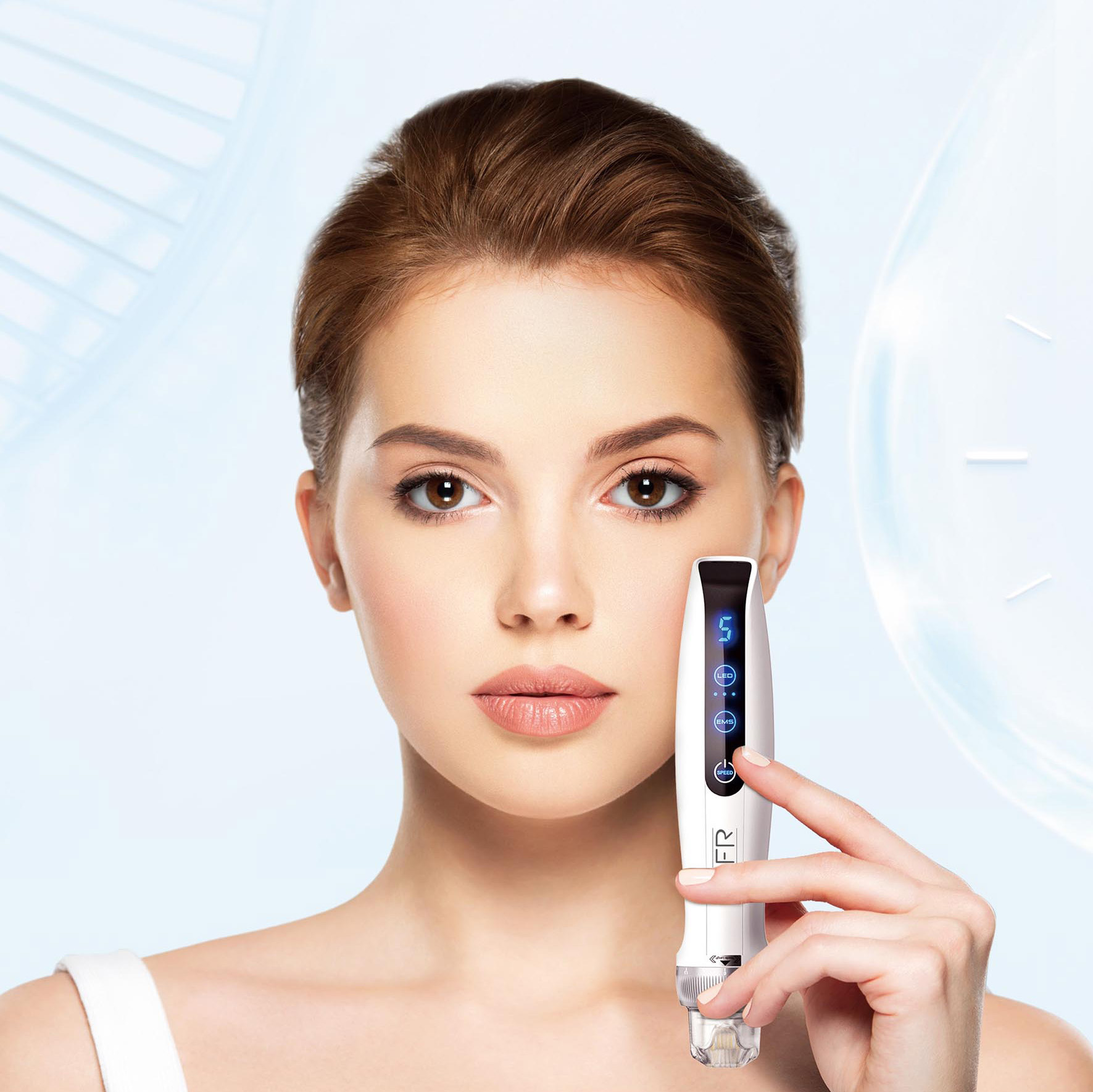
Continuous hydraulic serum micro-infusion engine featuring high-frequency oscillating needle cartridges for meso-cocktails.
Configure Platform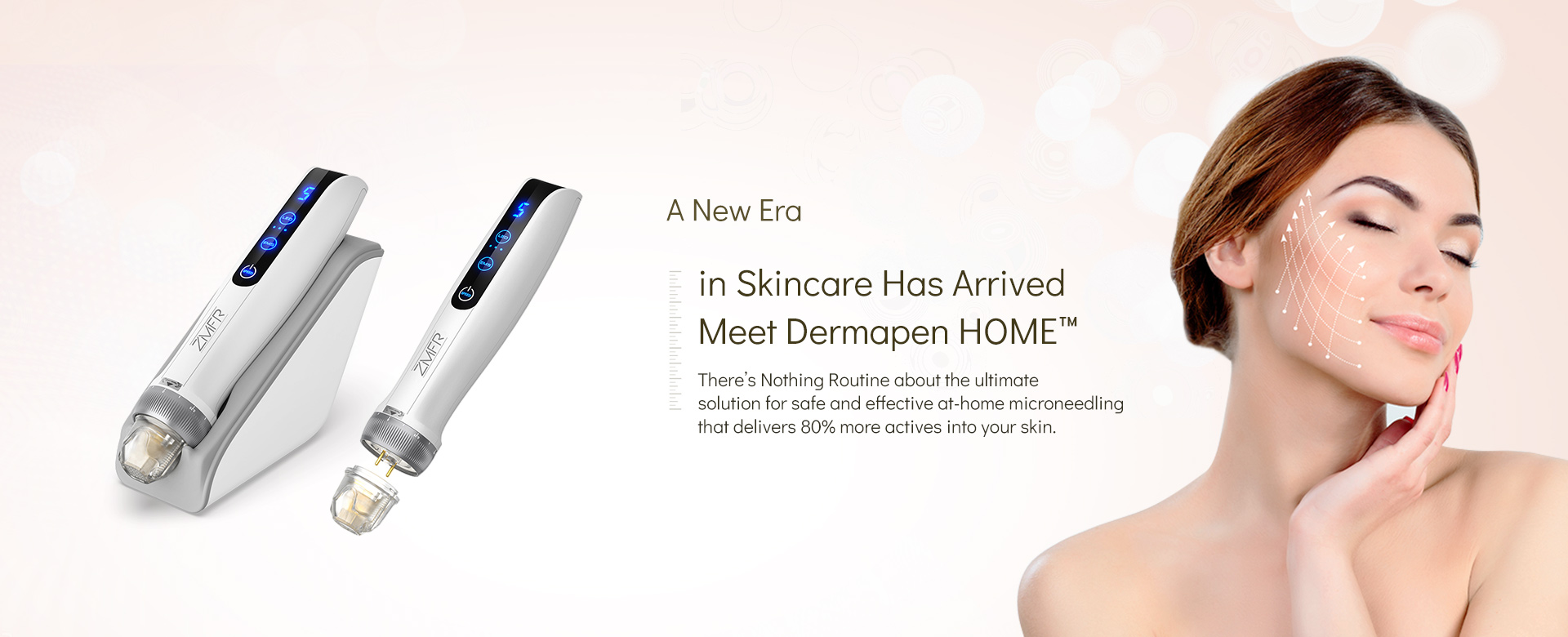
Designed for dermatological clinics requiring synchronized fluid discharge during automated epidermic puncture.
Configure Platform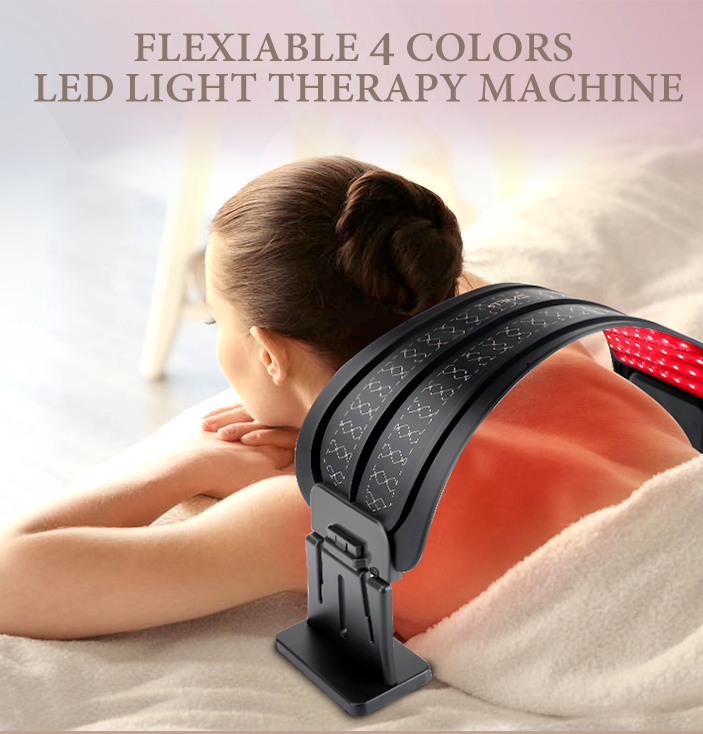
Hybrid high-density LED matrix providing synergistic recovery post-mesotherapy and liquid hair-loss ampoule delivery.
Configure PlatformA technical assessment of the transition from manual derma-rolling to synchronous bio-liquid micro-infusion systems.
The global transdermal delivery and minimally invasive aesthetic device market has undergone an aggressive paradigm shift. Traditional dry microneedling—relying entirely on subsequent topical manual application—exhibits erratic bioavailability, where up to 72% of therapeutic serums (such as high-molecular hyaluronic acid, PDRN, exosome suspensions, and peptide matrices) remain bound to the stratum corneum rather than accessing the papillary dermis.
Modern clinical dermatology and medical aesthetics demand synchronized delivery. OEM Liquid Microneedling Systems integrate micro-fluidic chambers, positive-displacement pneumatic pumps, or gravity-assisted capillary channels directly into oscillating cartridge heads. By ejecting regulated micro-droplets concurrently with needle retraction, these devices achieve hydrodynamic transdermal deposition before biological coagulation cascades seal the micro-channels.
Shenzhen Fanrun Technology’s OEM/ODM engineering division approaches liquid microneedling as an integrated mechanical-fluidic challenge. Standard systems suffer from backflow contamination, inconsistent volumetric discharge, and mechanical shear stress that damages fragile biologics like polynucleotides and lyophilized exosomes.
Our industrial design solves this via proprietary fluidic architecture:
• Medical Grade 316L Surgical Stainless Steel & Titanium Arrays: Needles are electropolished to a tip radius under 15 microns, reducing epidermal micro-tearing and perceived patient discomfort.
• Micro-Capillary Anti-Backflow Cartridges: High-precision elastomeric duckbill check-valves prevent cross-contamination of body fluids into the internal drive mechanics or reusable serum reservoirs.
• Coreless Brushless DC Motor Integration: Offering high torque stability across variable needle penetration depths (0.25mm to 2.5mm) at speeds up to 18,000 RPM, maintaining uniform puncture velocity regardless of skin resistance.
Located in Shenzhen, the hardware innovation capital of the world, Shenzhen Fanrun Technology Co., Ltd. (operating since 2013 with 200,000+ sqm manufacturing facility capacity) delivers unmatched efficiency to global B2B procurement teams. Unlike regional assemblers, our facility houses end-to-end capabilities under one ISO-monitored roof:
• Full Tooling & Mold Fabrication: Clean-room plastic injection and medical-grade liquid silicone rubber (LSR) compression molding.
• SMT Cleanlines: Surface-mount printed circuit board assembly for multi-wave LED drivers and micro-stepping motor controls.
• Cost Advantage: Direct localization of supply chains reduces bill-of-materials (BOM) expenses by 35%–50% relative to European or North American assembly, enabling international brands to sustain 60%+ gross retail margins while passing strict CE, RoHS, and FDA compliance evaluations.
Liquid microneedling hardware requires regional adaptation depending on destination market regulatory classes and aesthetic standards:
• North American Med-Spas & Dermatologists: Heavy focus on single-use sterile disposable cartridges and standardized micro-infusion depths (<0.5mm for esthetic license limits; >1.5mm for MD-directed clinics) with integrated FDA-aligned biocompatibility protocols.
• European Medical Aesthetic Institutes: Stricter CE MDR Class IIa/IIb alignment, requiring low-electromagnetic interference motors and comprehensive RoHS environmental material verifications tested by bodies such as TUV and SGS.
• East Asian Post-Op Skincare Centers: Integration with cryo-cooling and dual-wavelength photobiomodulation (red 630nm / near-infrared 830nm) to manage localized hyperpigmentation and minimize downtime for melanin-rich skin profiles.
From initial CAD modeling and fluid dynamics simulation to serial batch traceability and export verification.
Definition of serum viscosity parameters, therapeutic motor depth requirements, target regulatory classification, and private label aesthetics.
Rapid CNC prototypes, high-precision micro-bore molds, cleanroom liquid silicone injection, and low-tolerance needle mount fixtures.
Verification of RPM consistency under skin tension, cartridge flow rates, pressure leak tests, and drop-impact structural analysis.
Compilation of CE (LVD/EMC), RoHS, REACH, and TUV/SGS bio-compatibility certification packages for seamless customs clearance.
High-capacity SMT lines, automated optical inspection (AOI), clean-assembly rooms, and 100% full-load electrical aging tests.
Custom palletization, drop-tested export cartons, DDP/FOB forwarder coordination, and dedicated English-speaking account managers.
Strategic data for supply chain directors, brand founders, and procurement committees.
The rapid shift away from chemical peels toward peptide-rich mesotherapy, plant exosomes, and stem cell conditioned media necessitates ultra-clean liquid pathways that do not denature complex proteins.
Global distributors now demand gamma-ray or EtO-sterilized single-use cartridges with tamper-evident RFID chips or QR serialization to secure recurring aftermarket consumable revenue.
Leading clinics combine micro-channel delivery with immediate red and near-infrared LED therapy to accelerate ATP synthesis, mitigating post-procedural erythema and halving social downtime.
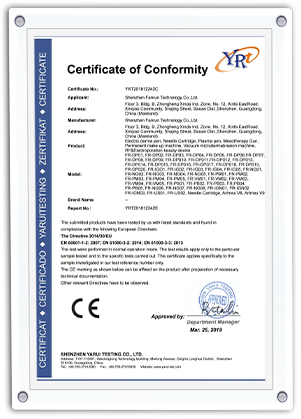
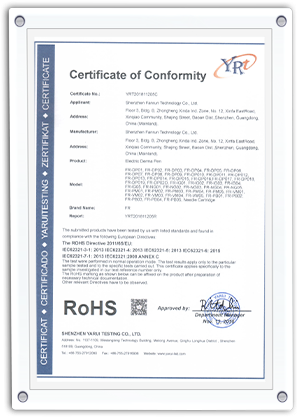
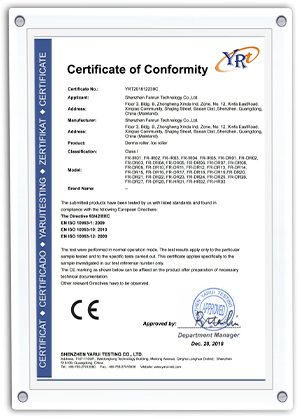
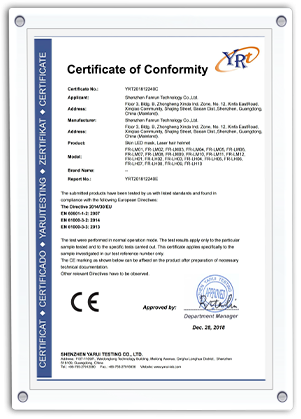
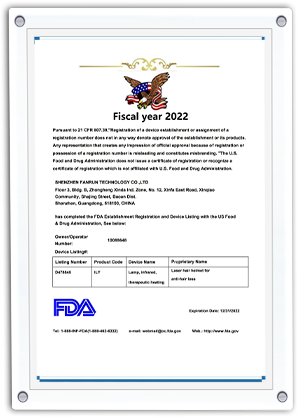
Every device batch is backed by rigorous third-party accredited laboratory testing for frictionless import customs clearance.
Empowering multinational clinical brands, high-growth direct-to-consumer labels, and professional distributors.










Documentation of therapeutic dermal rebuilding across multi-session clinical and home-care protocols.


"After a few microneedling treatments, my skin has become smoother, fine lines and acne scars have improved significantly, and my friends say I look younger!"


"Using the LED beauty mask regularly has smoothed out my facial wrinkles, making my skin look firmer and more youthful."


"My hair has changed dramatically! The previously thinning areas on the top of my head have visibly filled in and look thicker and healthier."


"I had always been troubled by thinning hair and didn't expect significant changes. The volume has increased a lot and it looks shinier."


"I can feel my skin improving after each treatment, especially my pores. I finally have the confidence to go out without makeup!"


"I was a little hesitant at first, but now I'm so glad I chose microneedling. The results exceeded my expectations — my skin is clearer!"
*Disclaimer: User clinical evaluations reflect real protocols conducted with Fanrun platforms. Individual results vary with frequency, active drug chemistry, and epidermal baseline parameters.
Critical industry updates curated by our senior regulatory and aesthetic technology research team.
 Tech Whitepaper
Comprehensive analysis of solid, coated, dissolving, and hollow needles—and what each means for your brand's OEM derma pen platform.
Read Full Analysis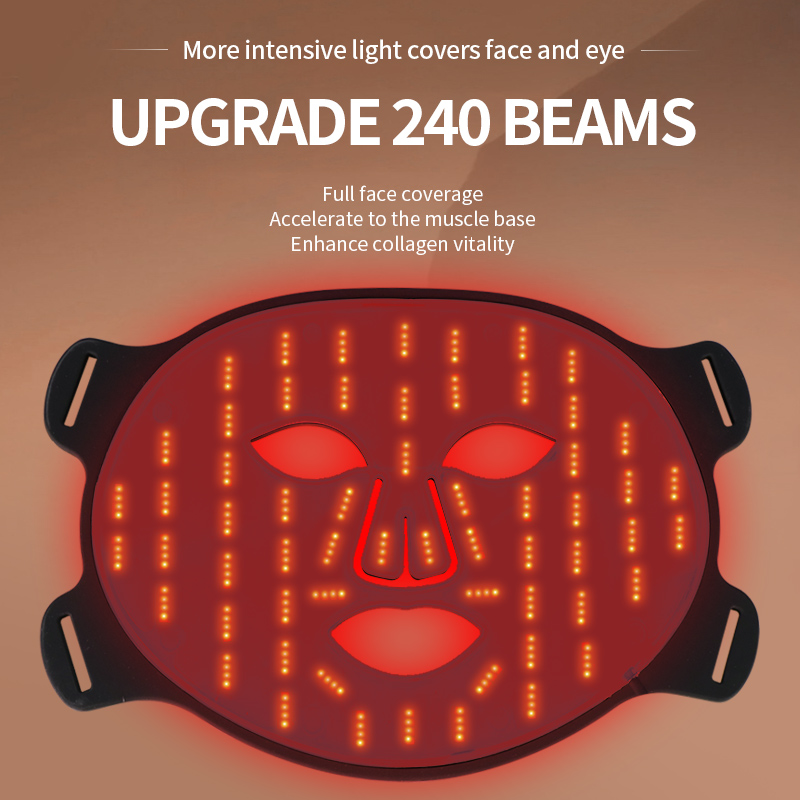 Market Forecast
Macroeconomic drivers accelerating the adoption of home clinical phototherapy and how OEMs can maintain margin defensibility.
Read Full Analysis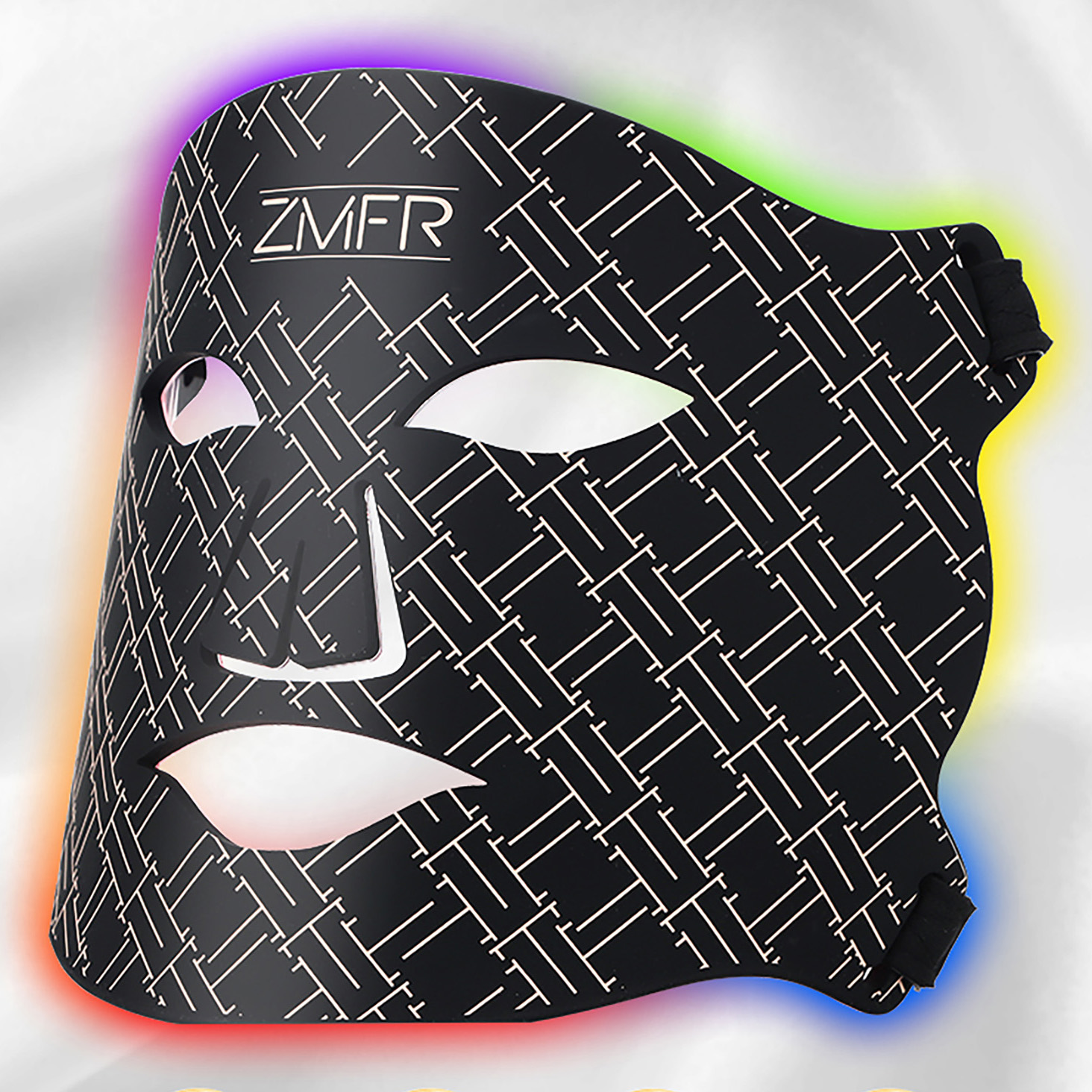 Regional Focus
Strategic procurement data on why US and Canadian med-aesthetic consumers maintain the highest average spend for home-use aesthetic devices.
Read Full Analysis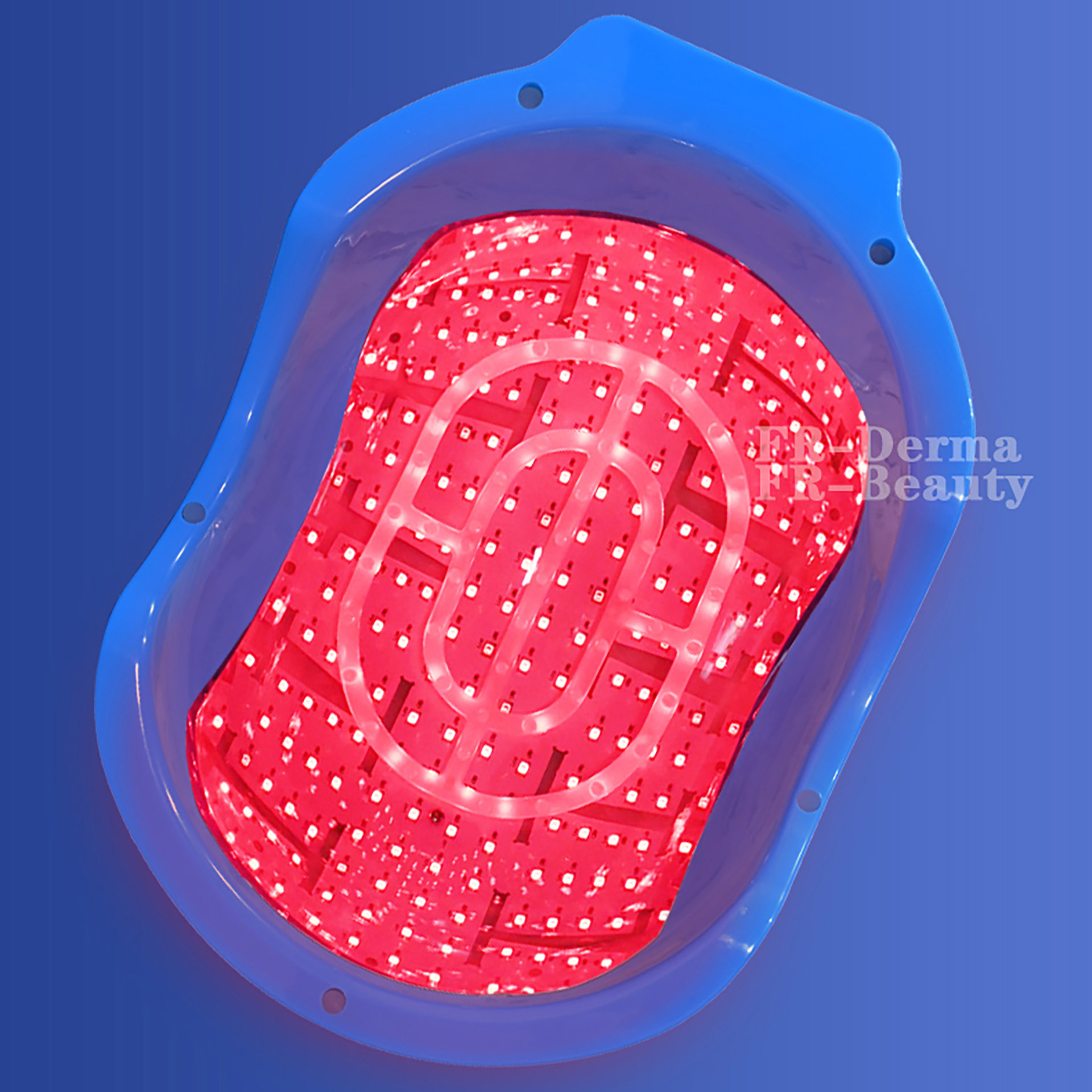 APAC Expansion
Key supply chain adjustments needed to penetrate high-growth markets in Japan, South Korea, and Southeast Asia.
Explore Hot BlogEssential clarifications for medical aesthetic device sourcing managers, quality engineers, and private label importers.
Yes. Fanrun provides full-spectrum OEM and ODM services. OEM private label includes silk-screen or laser logos, customized Pantone colors, localized gift packaging, and regulatory-compliant user manuals. ODM engineering covers full housing industrial design, micro-fluidic delivery calibration, custom PCB/firmware logic, optical wavelength configuration, and custom companion mobile app interfaces.
Our complete device catalog conforms to European CE directives (LVD/EMC) and RoHS environmental compliance. Furthermore, all silicone and direct skin-contact materials have passed extensive non-cytotoxicity, sensitization, and food-grade safety assessments certified by TUV Rheinland and SGS. Verified buyers may request complete technical construction files (TCF) and test reports.
Our liquid cartridges incorporate silicone elastomeric check valves and micro-channel physical barriers that isolate the disposable ampoule from the drive motor mechanism. This one-way positive displacement system completely eliminates backflow of patient serum or interstitial fluid. In addition, fluid contact pathways are molded using USP Class VI biocompatible medical polymers.
MOQ varies by customization depth. Simple private label branding on ready platform inventory (SKU LM15, LM10, Biopen Q2) begins at 100 to 500 units with 15–20 day dispatch. Full ODM custom tooling, specialized optical layouts, or tailored motor mechanics generally requires an MOQ of 1,000 to 3,000 units with an initial mold lead time of 35–45 days and mass run cycles of 25–30 days.
Upon formal NDA or inquiry verification, our export compliance managers provide authentic, unredacted certificate numbers issued by TUV, SGS, or certified European notified bodies. Sourcing teams can enter these numbers directly into the respective testing organization's online portal to verify accreditation validity, factory registration details, and standard scopes.
Verified configurations ready for custom private branding, customized wavelength tuning, and immediate volume batch manufacturing.
Integrated cold compress modules soothe intradermal micro-channels immediately following liquid needle application.
Request Engineering Spec
Uniform radiant field distribution optimizing dermal cellular activation and post-infusion rejuvenation.
Request Engineering Spec
Equipped with 650nm semiconductor laser diodes configured for uniform full-scalp follicle coverage.
Request Engineering Spec
Dual deep-penetrating 630nm and 830nm chips mounted on an ergonomic bendable chassis for clinical versatility.
Request Engineering Spec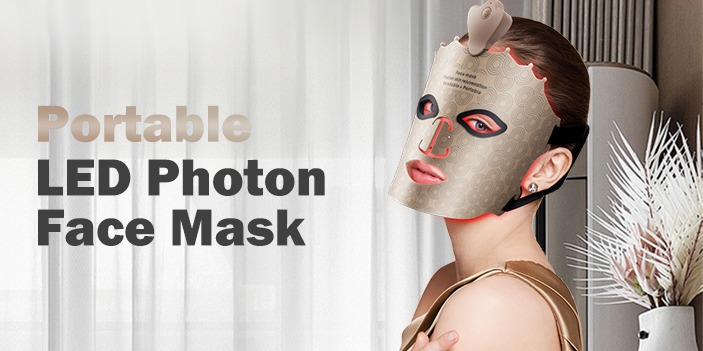
Ultra-thin, skin-hugging silicone platform engineered with micro-LED arrays for home and clinic care.
Request Engineering Spec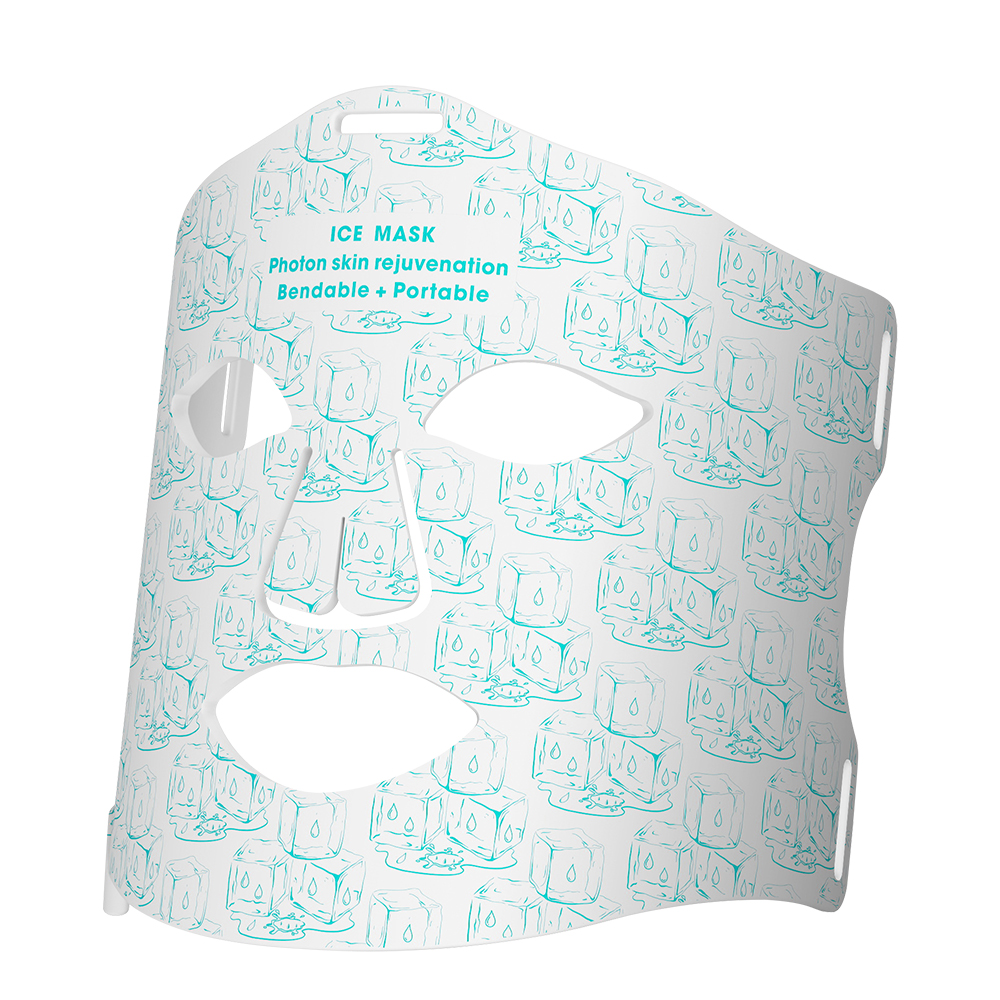
Smart timer, integrated session modes, and high optical density engineering designed for private label lines.
Request Engineering Spec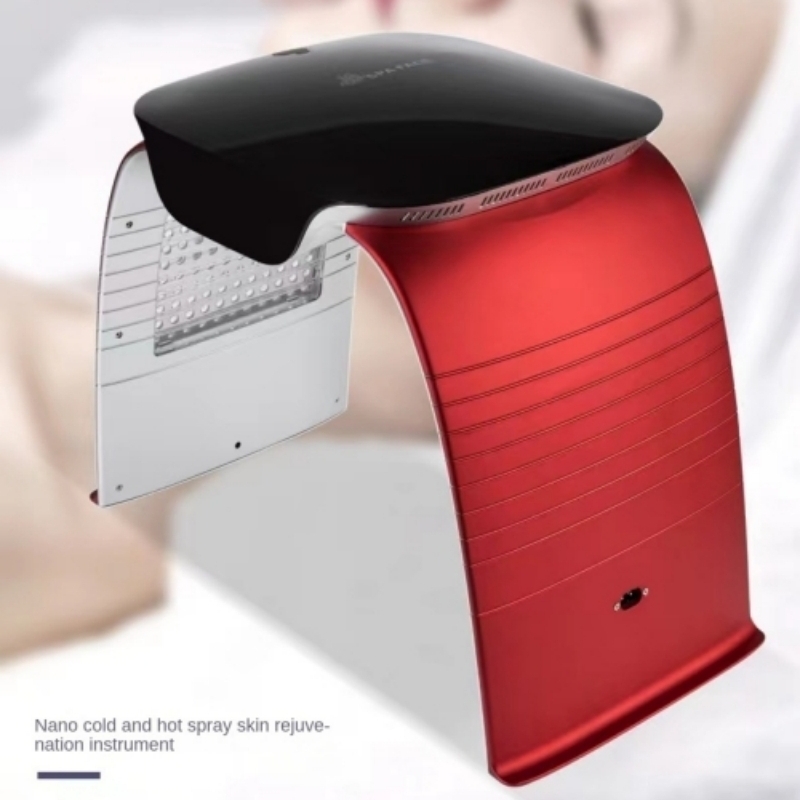
Engineered for aesthetic salons demanding selectable multi-color light wavelengths and wide face-neck coverage.
Request Engineering Spec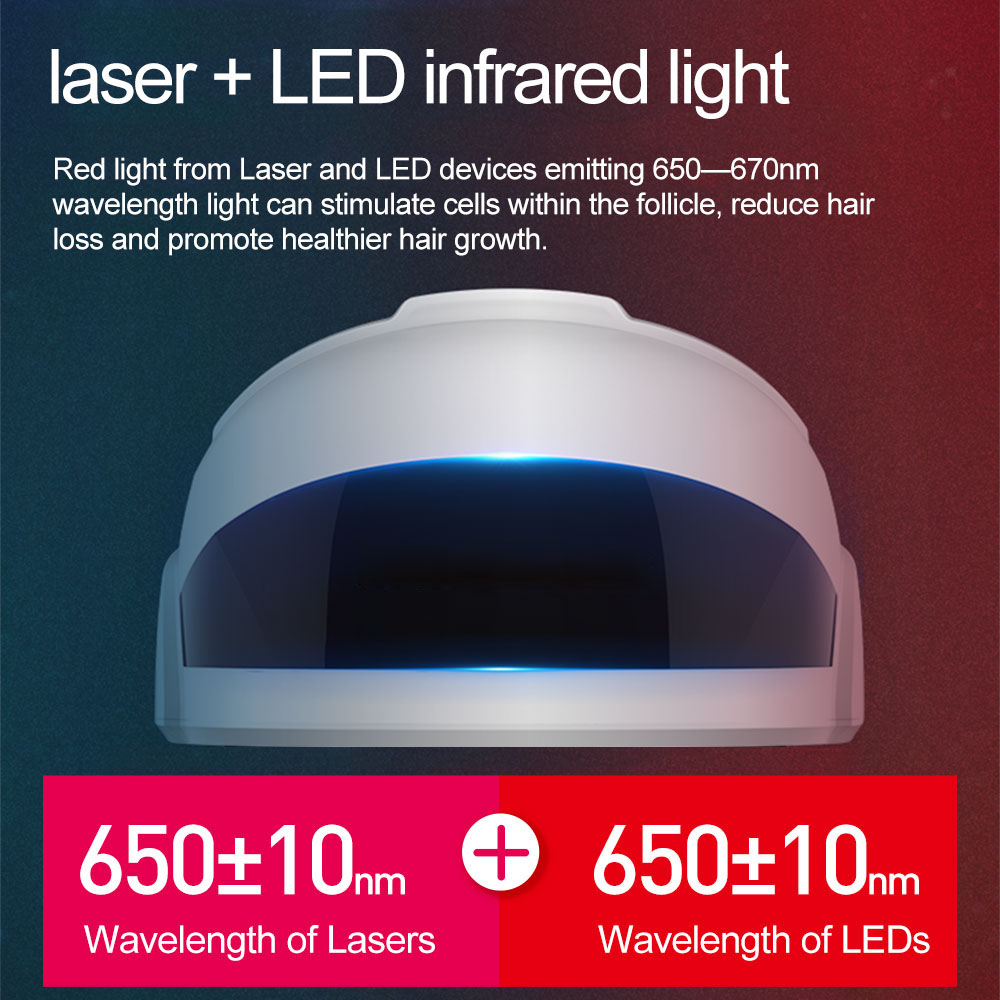
High-efficiency coherent diode architecture targeting androgenetic alopecia and post-infusion hair therapy.
Request Engineering SpecTo verify authenticity, request the certificate number from our team and check it on the issuing body's official portal. Contact us