Pre-certified, clinically calibrated production platforms ready for private-label deployment. Each configuration features laboratory-grade optical uniformity, certified biocompatible materials, and complete technical regulatory dossiers.
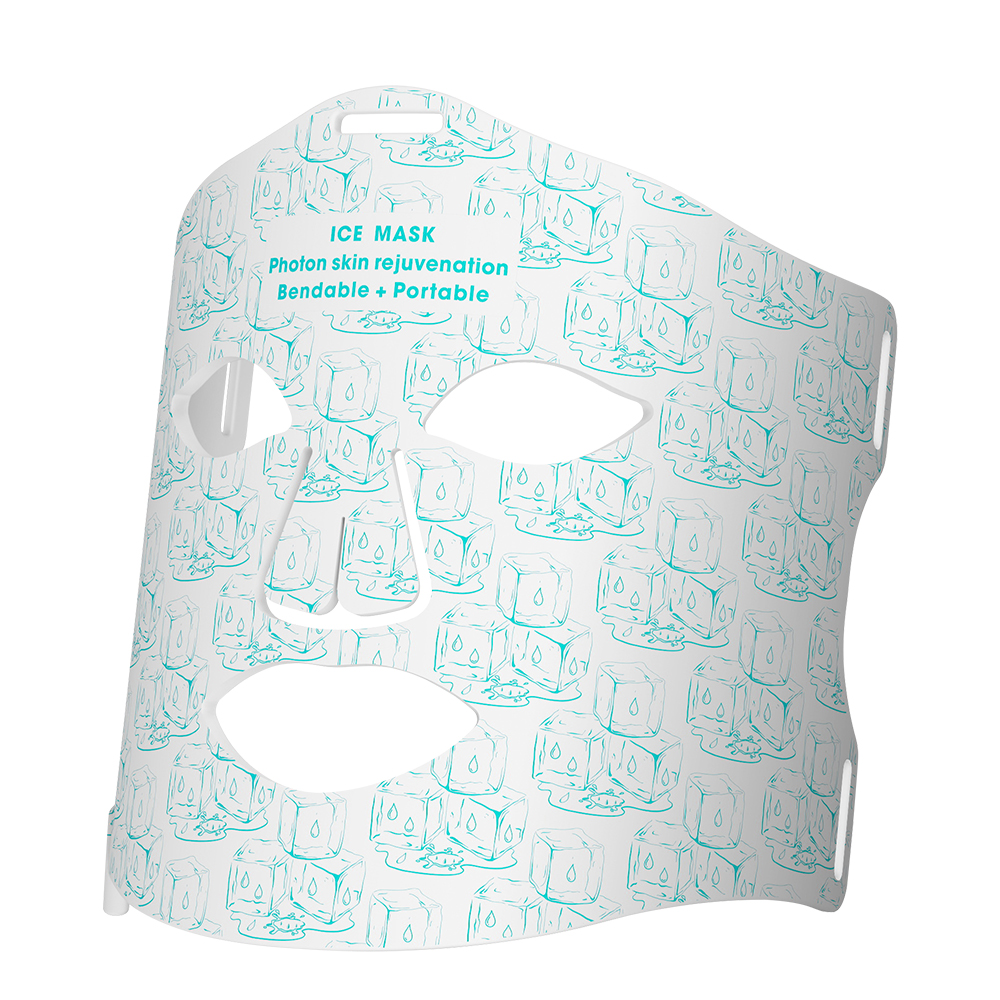
Ergonomic medical silicone matrix integrating multi-band LED therapy with an active cooling element for advanced post-procedure recovery.
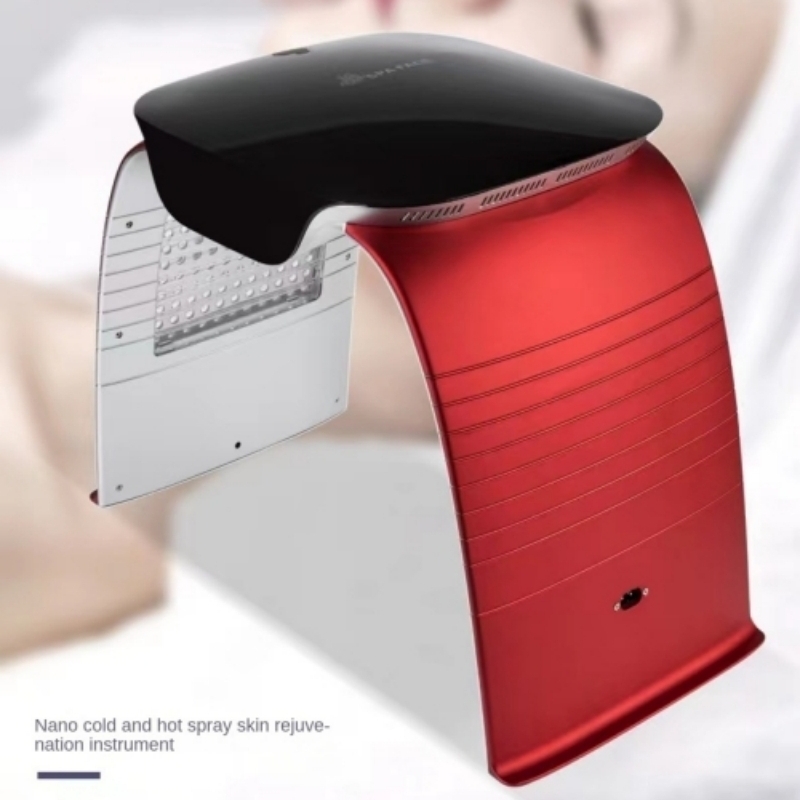
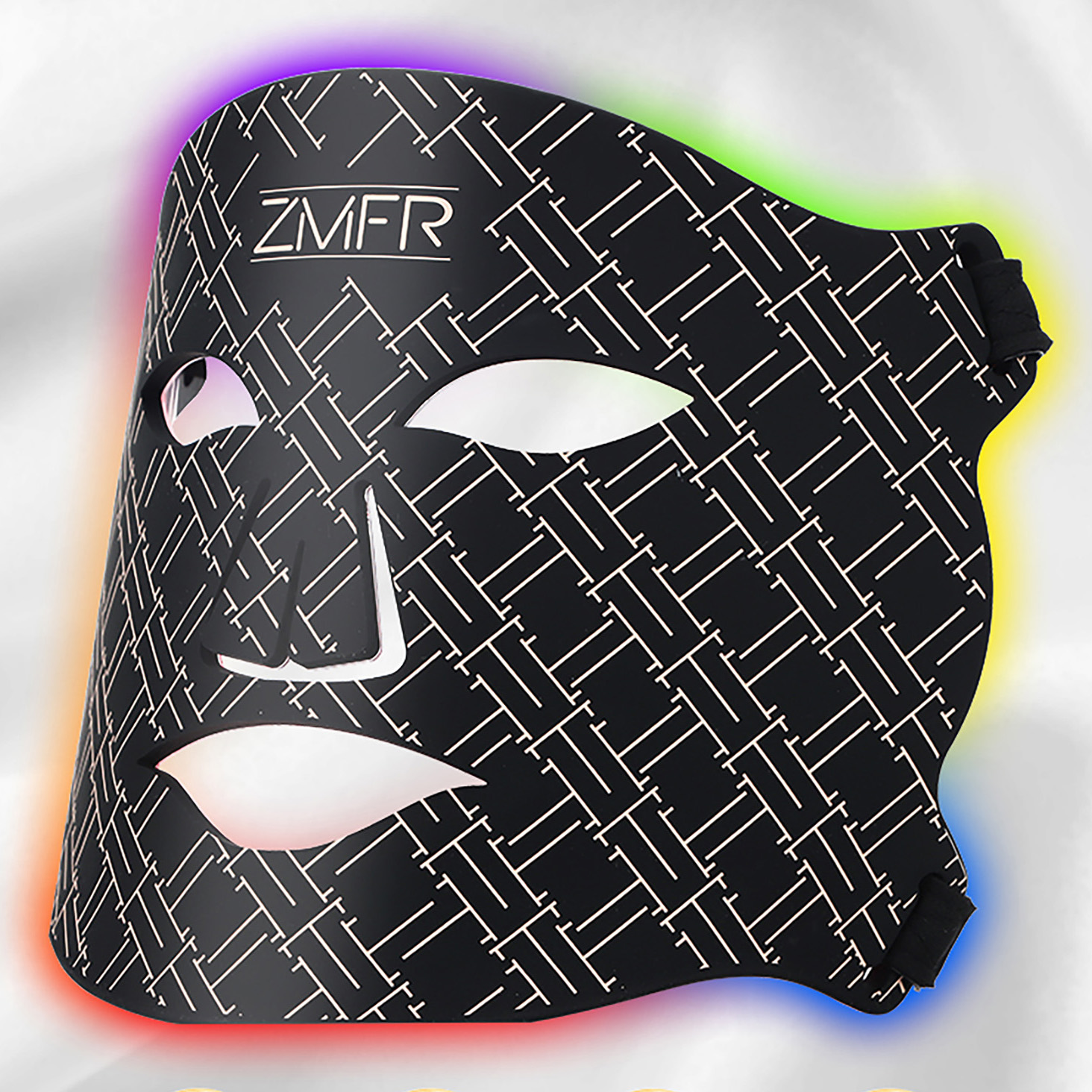
Rigid high-irradiance photodynamic mask designed for aesthetic clinic suites and prestige at-home regimens targeting dermal matrix stimulation.
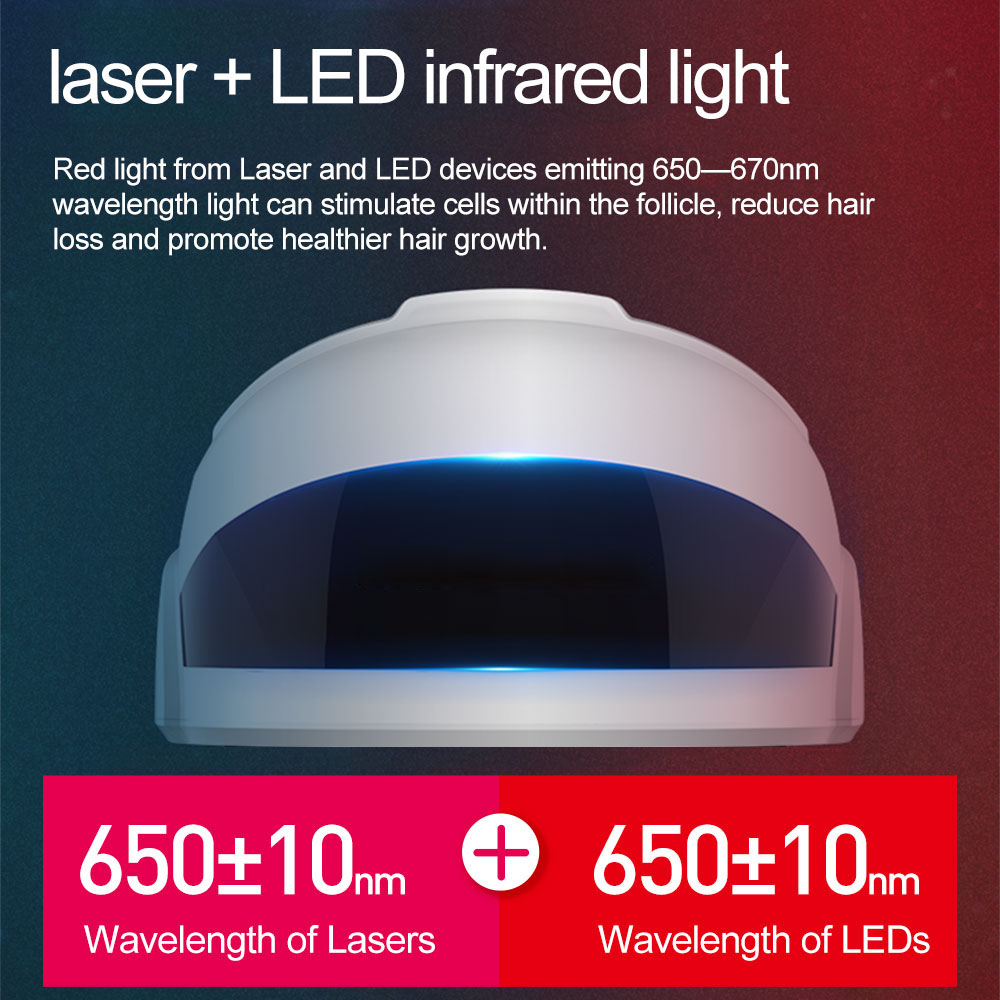
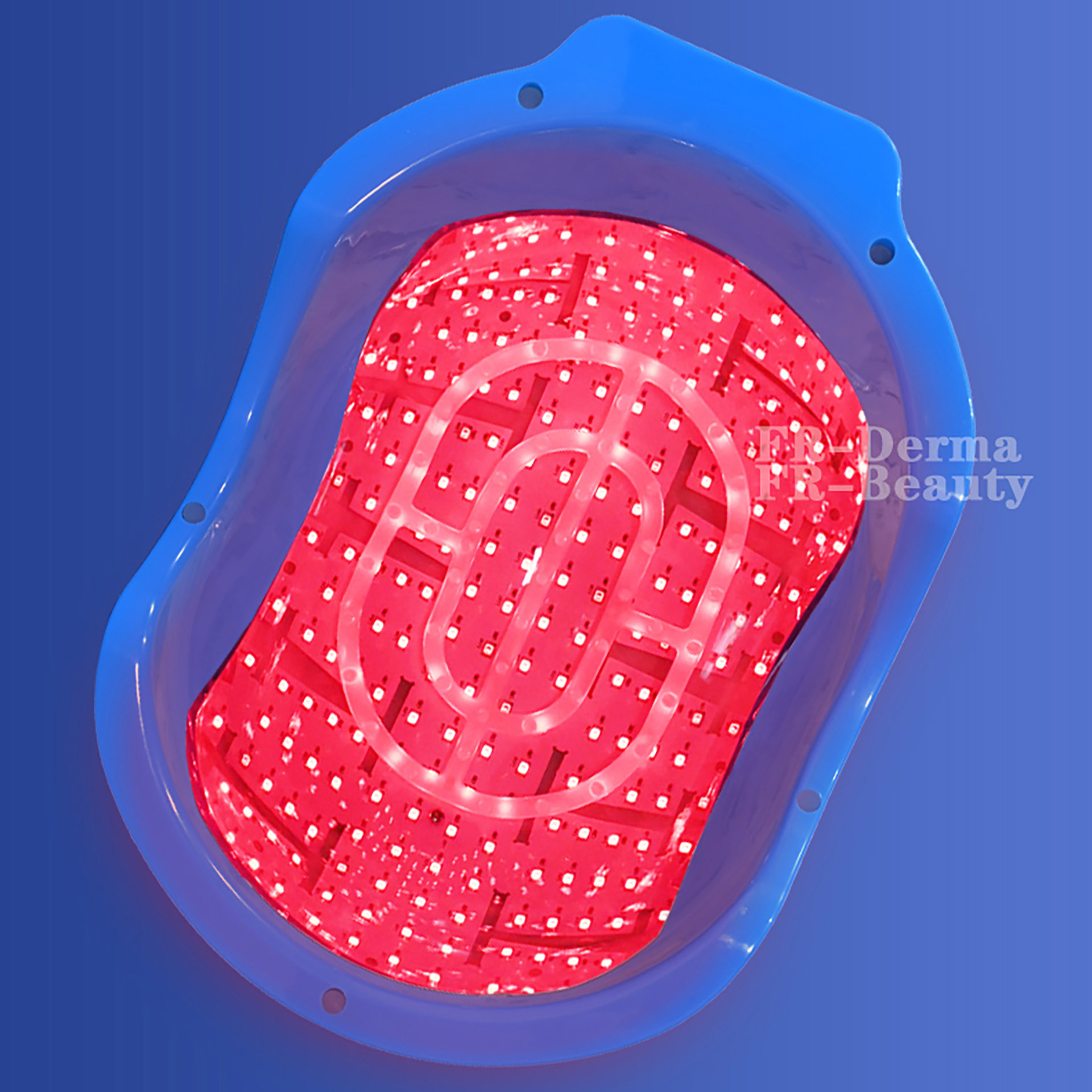
Full-coverage Low-Level Laser Therapy (LLLT) helmet utilizing medical diode matrices to stimulate follicular microcirculation and reverse miniaturization.
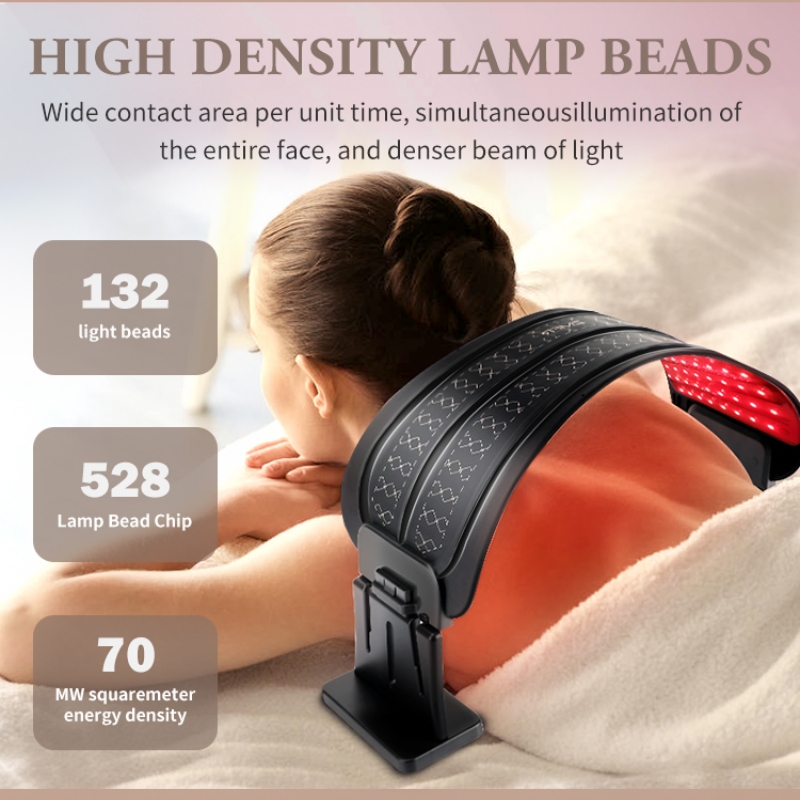
Omni-contour flexible red and near-infrared phototherapy panel engineered for high compliance across face, neck, and chest zones.
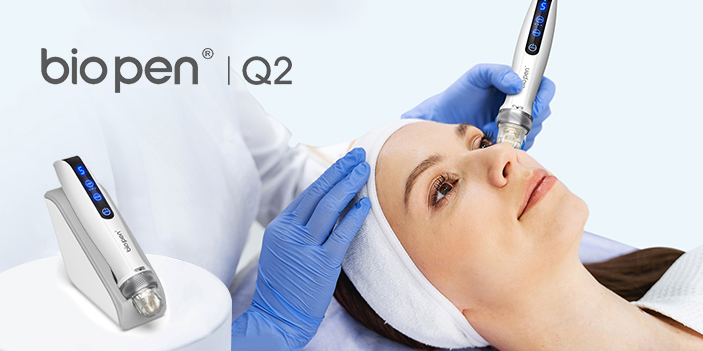
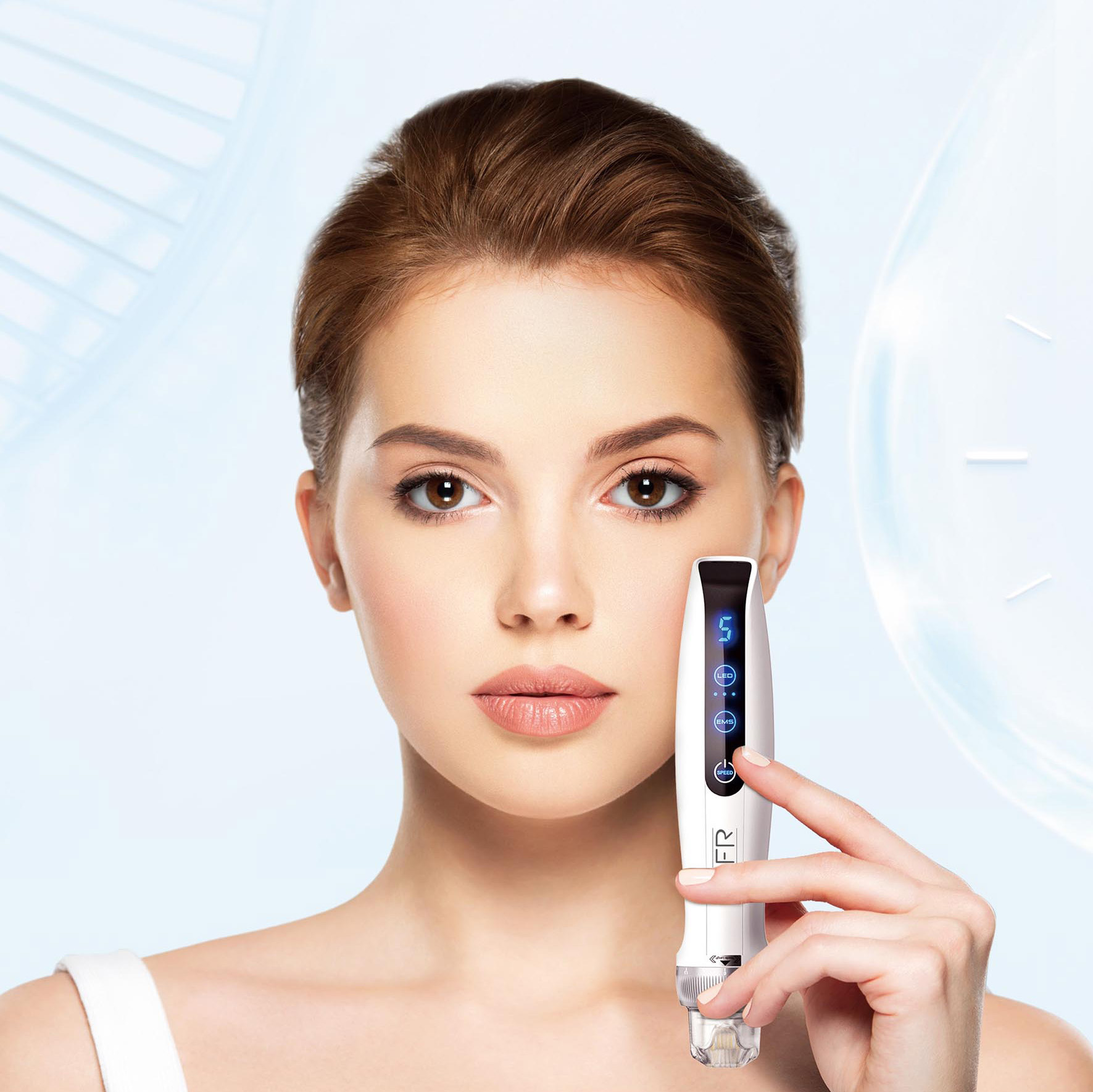
Digital high-torque reciprocating motor with anti-backflow sterile cartridge locking, optimized for transdermal peptide and serum delivery.
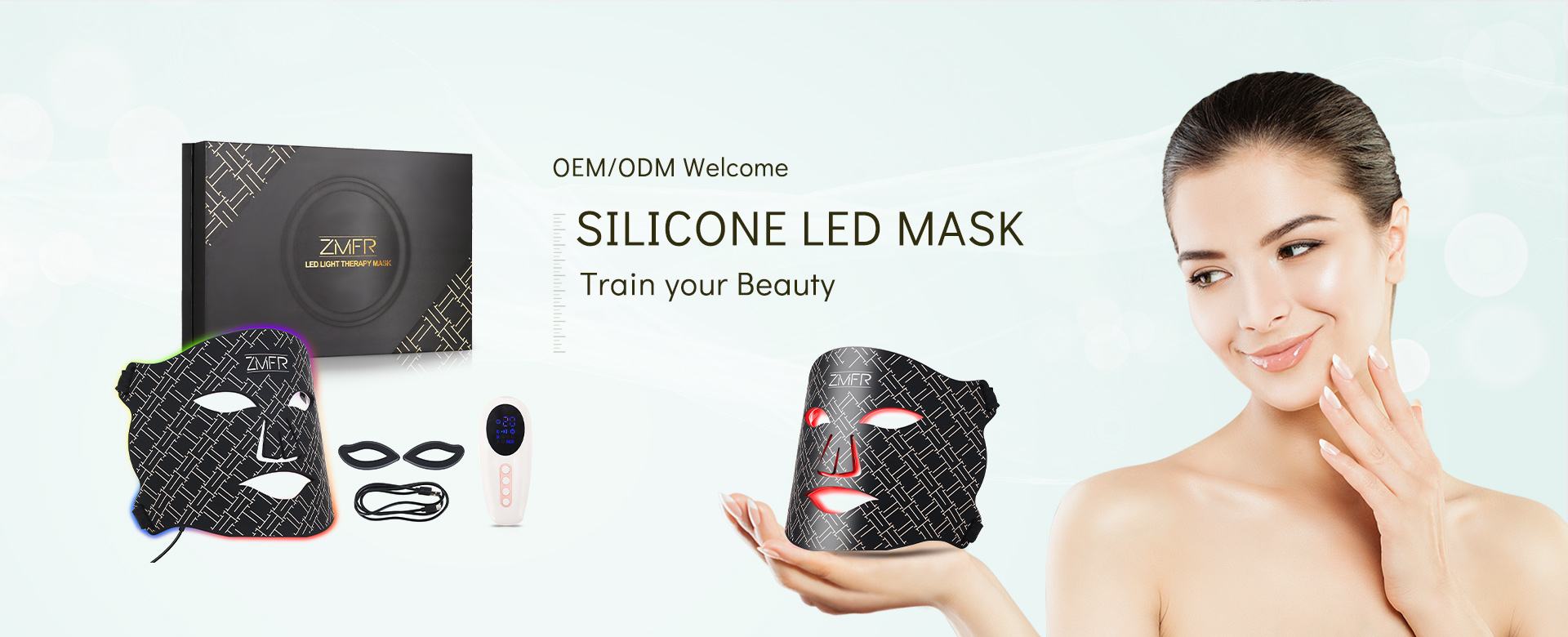
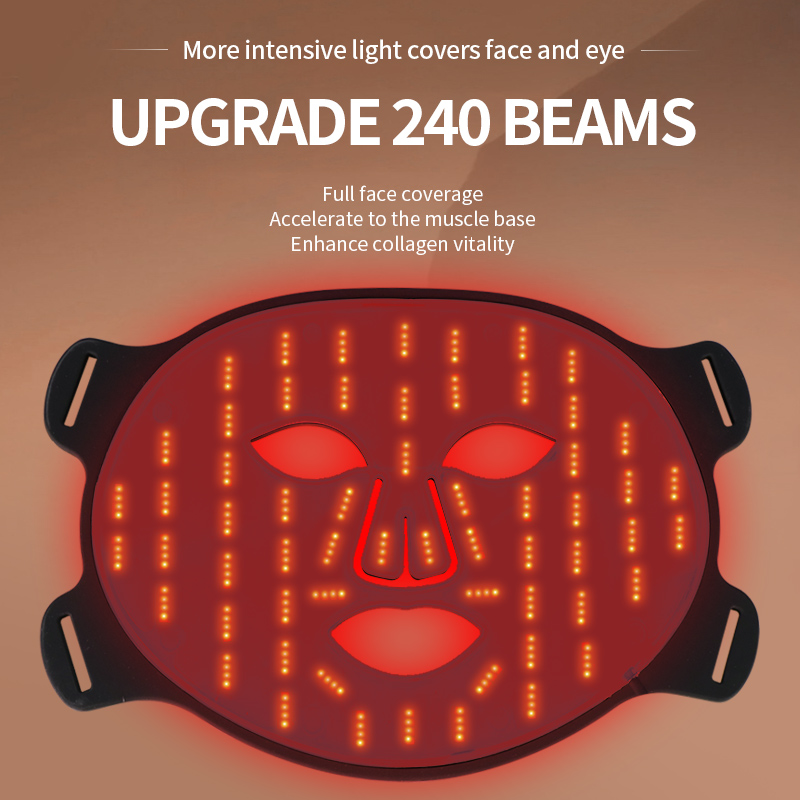
Ultra-supple liquid silicone rubber (LSR) mask with zero eye-leakage optical baffling, providing targeted optical energy density across facial contours.
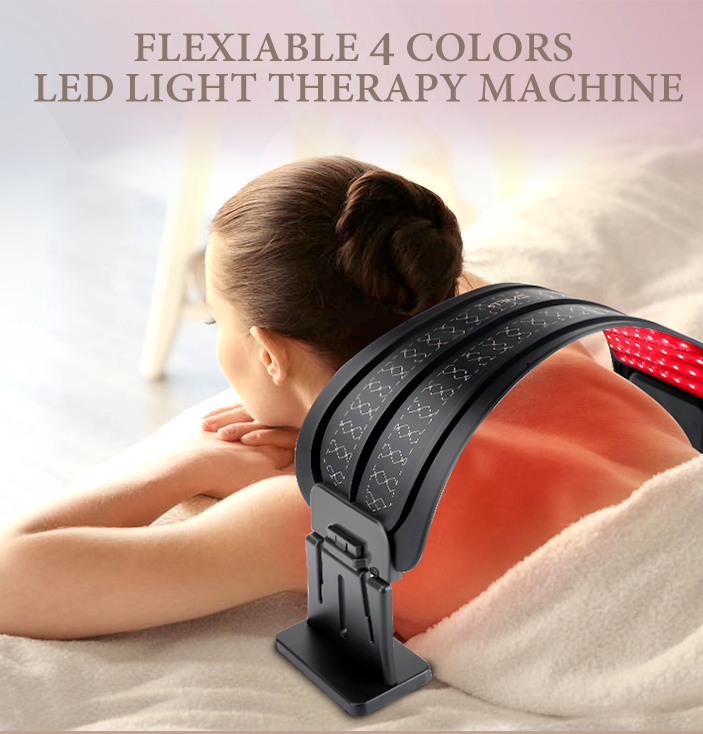
Hybrid dual-use low-level phototherapy architecture engineered for targeted follicular reactivation and dermal fibroblast regeneration.
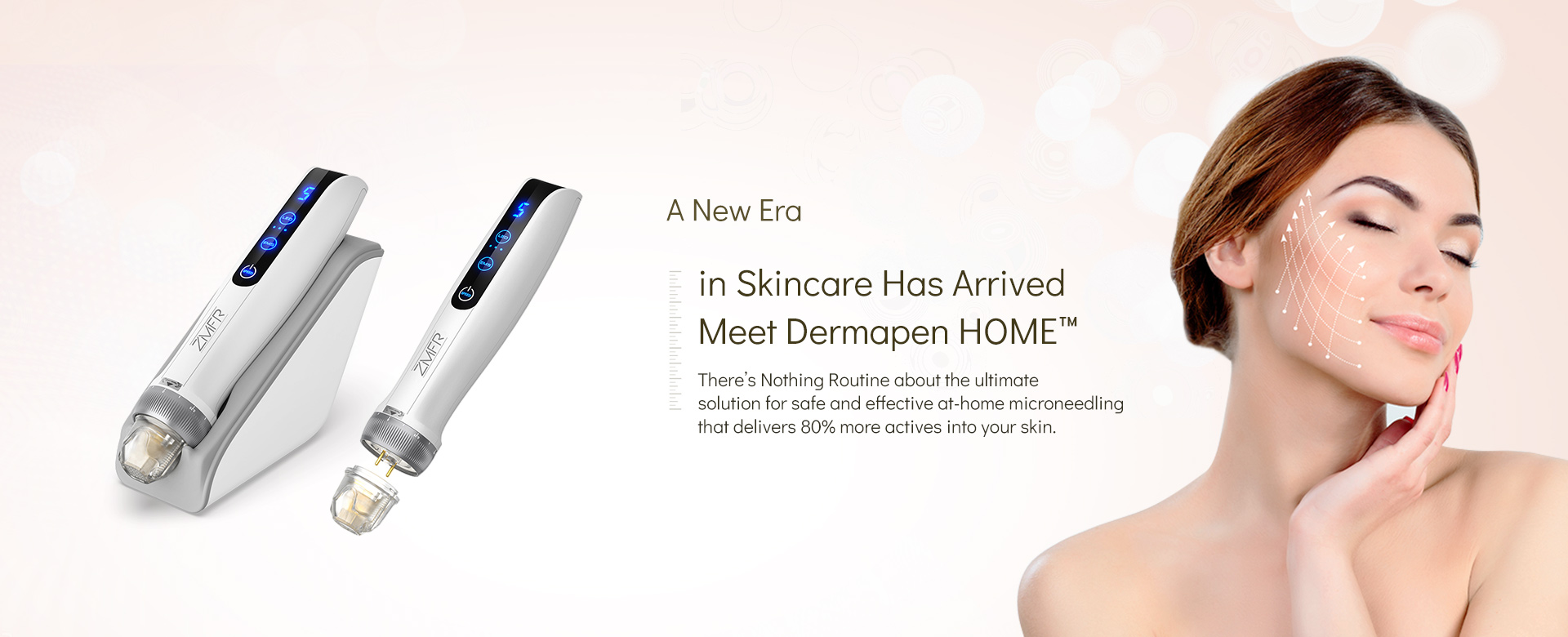
Heavy-duty surgical aluminum alloy chassis with ultra-quiet Swiss-engineered coreless drive, calibrated for clinical aesthetic practices.
In the evolving landscape of photobiomodulation (PBM) and at-home energy aesthetic systems, Tier-1 brands and clinical conglomerates are abandoning off-the-shelf novelty gadgets in favor of verifiable optical dosimetry, thermal stability, and cleanroom-controlled silicone molding.
Procurement directors demand verified power density measured in milliwatts per square centimeter (mW/cm²). Consumer-grade masks often provide under 10 mW/cm², rendering them sub-therapeutic. Enterprise-grade OEM designs require 30 to 65 mW/cm² delivered evenly across the targeted treatment field without inducing thermal tissue necrosis.
Therapeutic cellular signaling relies on precise biological windows: 415nm (porphyrin excitation for Cutibacterium acnes), 630nm/660nm (Cytochrome c oxidase upregulation), and 830nm/850nm (deep ATP synthesis and lymphatic drainage). Production binning must guarantee spectral peak deviations strictly within ±2nm to ±3nm.
Skin-contact silicone materials must undergo comprehensive cytotoxicity, skin irritation, and sensitization evaluations according to ISO 10993 standards. Tier-1 buyers require food- and medical-grade platinum-cured liquid silicone (LSR) that resists sebum degradation, discolouration, and microbial colonization.
Flexible mask housings trap heat if poorly engineered. Excessive LED junction temperatures accelerate lumen depreciation and shift optical wavelength output. Advanced OEM architectures incorporate flexible thermal spreaders and automated pulse-width modulation (PWM) to stabilize temperatures below 40°C.
| Engineering Vector | Low-Cost Novelty Suppliers | Shenzhen Fanrun Industrial Benchmark | Clinical Significance |
|---|---|---|---|
| Optical Irradiance (Fluence) | < 10 mW/cm² (Uncalibrated) | 30 – 65 mW/cm² (Calibrated per LED node) | Achieves actual mitochondrial cytochrome c activation threshold within a 10-minute session. |
| Wavelength Accuracy | ±15nm (Wide binning drift) | ±2nm to ±3nm (Medical grade sorting) | Prevents ineffective phototherapy caused by light output falling outside biological absorption peaks. |
| Material Formulation | Industrial PVC / standard TPE | Liquid Silicone Rubber (LSR), Platinum Cured | Guarantees zero chemical leaching; complies with ISO 10993 cytotoxicity and sensitization protocols. |
| Photobiological Eye Safety | None / simple tinted plastic | IEC 62471 Exempt Group Certified eye baffles | Shields ocular tissues from concentrated blue and near-infrared radiation without secondary goggles. |
Shenzhen Fanrun Technology operates an integrated aesthetic foundry in Shenzhen, China. From optical modeling and silicone tooling to SMT component assembly and firmware engineering, every phase is controlled in-house to protect proprietary brand equity.
Custom-engineered constant-current control logic. Unlike low-cost resistor systems where brightness fades as battery voltage drops, our driver architectures maintain stable optical output down to the last milliampere-hour.
Ultra-thin double-sided flexible printed circuits (FPCB) engineered to withstand over 20,000 bending cycles. Surface-mount LEDs are paired with optical diffusing lenses to eliminate hot spots and distribute light evenly.
Liquid injection molding (LIM) within Class 100,000 cleanrooms. The inner contact layer is cast from skin-grade, non-allergenic silicone that conforms naturally to diverse facial bone structures without pinch points.
Matte, satin, soft-touch, or metallized finishes tailored to your brand identity. Outer shells feature scratch-resistant oleophobic coatings and customized silicone embossing or laser etching for brand identification.
Target retail price point, spectral configurations, battery runtimes, and local certification roadmaps (FDA, CE, UKCA).
Ray-tracing optical simulation to determine LED beam angles, diode pitch, and irradiance distribution maps.
SLA 3D printing, soft silicone tooling, and quick-turn PCB fabrication for fit testing, bench testing, and optical validation.
Hardened steel injection tooling, mold flow optimization, and submission of EMC/LVD and biocompatibility dossiers.
SMT placement, automated optical inspection (AOI), cleanroom silicone vulcanization, and continuous batch traceability.
Every unit undergoes a 4-hour burn-in cycle, spectral spectrometer verification, drop-testing, and sterile retail packaging.
The global phototherapy beauty device market is moving toward greater medicalization. Understanding regional compliance variations and consumer preferences is essential for sustainable brand expansion.
The largest market for wearable LED devices. The transition from over-the-counter wellness branding to 510(k) cleared Class II medical status has created strong demand for OEM suppliers with comprehensive technical documentation and verified clinical safety files.
With the rollout of EU Medical Device Regulation (MDR 2017/745), Annex XVI encompasses non-corrective aesthetic devices. European importers require verified technical documentation, CE-MDR roadmaps, and RoHS heavy-metal compliance down to individual solder joints.
Driven by South Korea, Japan, and Southeast Asia, APAC is the fastest-growing market. Consumers favor lightweight, flexible silicone masks that integrate easily with multi-step skincare routines. Multi-wave combinations (e.g., 590nm yellow light for redness reduction) are popular here.
Prestige medspas and dermatological clinics across the Gulf region are expanding their take-home post-procedure offerings. High demand exists for robust devices combining red light therapy with active cooling to soothe skin after laser resurfacing.
Shenzhen Fanrun's R&D team continuously evaluates emerging optical technologies. Here is our strategic roadmap for next-generation ODM aesthetic hardware.
Transitioning from continuous wave (CW) to frequency-modulated pulsing (10Hz to 100Hz). Pulsed light reduces tissue habituation, enhances ATP synthesis, and lowers thermal buildup on the epidermis.
Moving from traditional 5050/3528 SMD packages to sub-millimeter micro-LED arrays. This increases diode counts from ~150 to over 1,200 nodes per mask, delivering near-continuous optical coverage without dark zones.
Integrating epidermal moisture and contact impedance sensors directly into the silicone edge. Devices dynamically tailor irradiance and treatment duration based on individual skin hydration levels.
Combining targeted LED bands with solid-state Peltier thermal modules. This dual approach delivers soothing cryotherapy to calm redness while red and near-infrared light stimulates collagen production.
Consumer engagement relies on tangible, photographic transformation. Review these real-world user evaluations documented across our core hardware platforms.
“After a few microneedling treatments, my skin has become smoother, fine lines and acne scars have improved significantly, and my friends say I look younger!”


“Using the LED beauty mask regularly has smoothed out my facial wrinkles, making my skin look firmer and noticeably more youthful over 8 weeks.”


“My hair has changed dramatically! The previously thinning areas on the top of my head have visibly filled in and look thicker and healthier.”


“I had always been troubled by thinning hair and didn't expect significant changes. The top was very thin before; now the volume has increased and it looks shinier.”


“I can feel my skin improving after each treatment, especially my pores. I finally have the confidence to go out without makeup!”


“I was a little hesitant at first, but now I'm so glad I chose microneedling. The results exceeded my expectations — my skin is clearer and makeup looks better!”


*Results shared voluntarily by verified users of devices manufactured on our production lines. Individual outcomes depend on treatment frequency, skin condition, and applied topical formulations.
Shenzhen Fanrun Technology Co., Ltd. is a specialized OEM/ODM manufacturer of medical-aesthetic and at-home energy beauty systems. By managing research, tooling, cleanroom silicone vulcanization, and electronics assembly under one roof, we eliminate middle-man markups and maintain consistent batch quality.
Our Shenzhen facility handles every stage of device production, from industrial design and high-precision injection tooling to SMT surface mounting and cleanroom silicone vulcanization. This end-to-end oversight ensures your products are manufactured by engineers who can troubleshoot and optimize issues directly on the line.
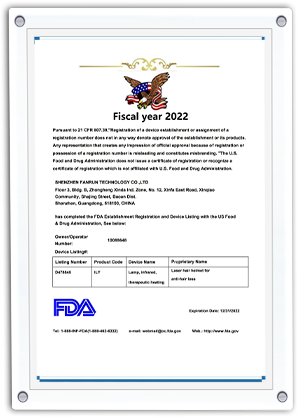
Reliable customs clearance and successful marketplace listings depend on authentic regulatory documentation. Our products carry CE, RoHS, and food-contact material verifications tested by TUV and SGS.
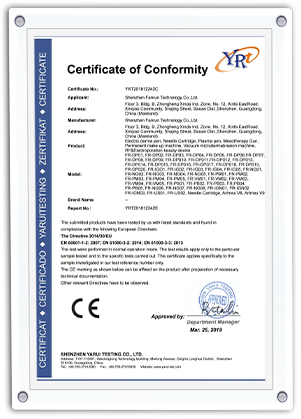 CERT · 01
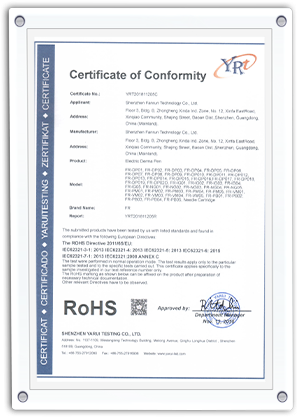 CERT · 02
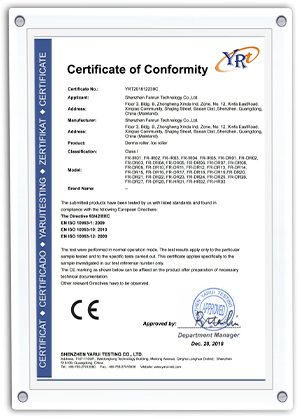 CERT · 03
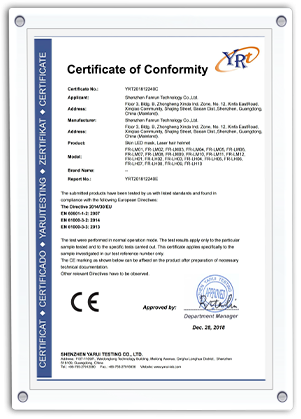 CERT · 04
 CERT · 05
Direct Verification Protocol: To protect our brand partners against counterfeit paperwork, certificate numbers and full testing files are provided on request for direct verification on official TUV, SGS, or notified body verification portals.








Explore our complete manufacturing portfolio. Whether you need full-custom ODM chassis tooling or private-label branding on established designs, our engineers can tailor the platform to your market requirements.
Combines multi-band light therapy with localized cryo-cooling to accelerate recovery following microneedling and chemical peel treatments.
A full-spectrum rigid aesthetic shield engineered for clinic suites, beauty salons, and luxury skincare brand launches.
Targeted 650nm low-level laser therapy system designed to stimulate follicular cellular activity across the scalp.
Bendable, form-fitting silicone panel engineered for uniform optical treatment across the face, neck, and décolleté zones.
High-precision micro-motor drive with adjustable needle stroke depths and integrated multi-speed LED status indicators.
Food-grade, platinum-cured silicone mask engineered for high comfort and uniform light dispersion across all facial zones.
A versatile, multi-purpose light therapy band designed for both targeted scalp re-densification and facial collagen stimulation.
Surgical aluminum alloy construction with high-precision needle stroke control, engineered for busy clinical dermatology environments.
Stay ahead of market shifts, evolving regulatory policies, and clinical research developments in home-use and professional aesthetic devices.
 TECHNOLOGY BRIEFING
A detailed look at solid, coated, dissolving, and hollow needles, and what each system means for clinical efficacy and regulatory filing.
 MARKET PROJECTIONS
Key growth drivers behind the expansion of home light and laser devices, highlighting practical differentiation strategies for emerging brands.
 REGIONAL ANALYSIS
An analysis of purchasing patterns explaining why US and Canadian consumers remain the largest buyers of high-fluence phototherapy devices.
 APAC TRENDS
Evaluating the surge in consumer demand across Korea, Japan, and Southeast Asia, with key sourcing takeaways for regional distributors.
Clear, direct answers to common questions raised by sourcing directors, supply chain managers, and regulatory consultants during supplier evaluation.
We offer two distinct engagement paths. OEM Private Label includes custom silicone color matching (Pantone), silk-screened logos, customized remote controllers, bespoke packaging, and translated instructional literature. Full ODM includes custom industrial design, bespoke silicone tooling, custom PCB and LED diode arrangements, proprietary wavelength tuning, and firmware/app development.
Every batch of surface-mount LEDs is sorted using integrating spheres and precision optical spectrometers. We maintain tight wavelength binning tolerances of ±2nm to ±3nm. Finished masks undergo calibrated radiant power measurements (in mW/cm²) across multiple facial zones to ensure uniform dosage and prevent hot spots.
Our devices carry CE (EMC/LVD), RoHS, and FCC compliance. Skin-contact silicone components undergo independent food-contact and biocompatibility testing (cytotoxicity, irritation, and sensitization per ISO 10993) certified by TUV and SGS. Lithium battery packs include UN38.3, MSDS, and IEC 62133 certifications for smooth customs clearance and air/sea freight transit.
We provide original certificate copies alongside our official commercial invoices. Importers can take the designated registration or report numbers and verify them directly through the official online portals of the issuing bodies (e.g., TUV Rheinland, SGS, or the corresponding European notified body). We encourage this verification before finalizing initial sample approvals.
MOQs depend on the required degree of customization. For standard platforms with customized silk-screened branding and packaging, MOQs generally start at 200–500 units. For full ODM projects requiring custom silicone molding, MOQs typically begin at 1,000–2,000 units. Sample prototypes are prepared in 7–12 business days, while mass production runs typically conclude in 25–35 days.
Ocular safety is a critical design requirement. All our masks are engineered to comply with IEC 62471 photobiological safety standards. We integrate ergonomic eye-surrounds molded directly into the silicone chassis. These baffles create a secure physical seal around the orbital rim, preventing direct light entry into the pupil while eliminating the need for bulky protective goggles.
Connect with our technical engineering team in Shenzhen to review full specification sheets, discuss optical customization, review factory audit documentation, or request an initial production quote.
To verify authenticity, request the certificate number from our team and check it on the issuing body's official portal. Contact us