
SKU: LM15

Anti-Aging 4 Colors Light Therapy Ice Silicone Mask
Flexible medical-grade silicone mask with integrated post-needling ice cooling and multi-wavelength therapy.
Explore SpecificationExplore production-ready microneedling platforms, precision needle cartridge assemblies, and photobiomodulation systems engineered to scale brand growth.
Flexible medical-grade silicone mask with integrated post-needling ice cooling and multi-wavelength therapy.
Explore Specification
Clinical photodynamic aesthetic platform equipped with 4 wavelengths for clinical transdermal downtime recovery.
Explore Specification
650nm low-level laser therapy (LLLT) medical cap designed to complement scalp micro-needling protocols.
Explore Specification
Contouring 630nm+830nm high-density red/NIR flexible surface array for full-face cellular regeneration.
Explore Specification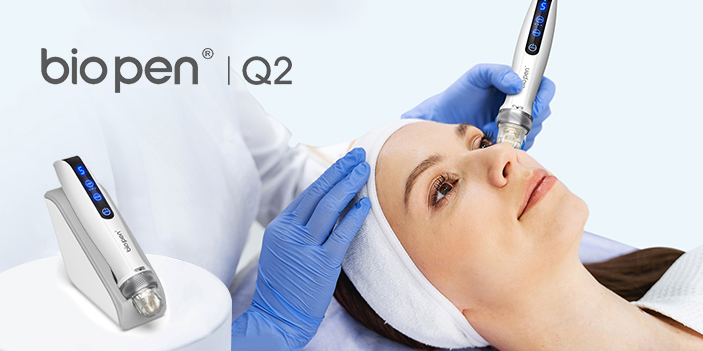
German hollow-cup motor-driven derma pen engineered for zero lateral needle oscillation and precise micron depth.
Explore Specification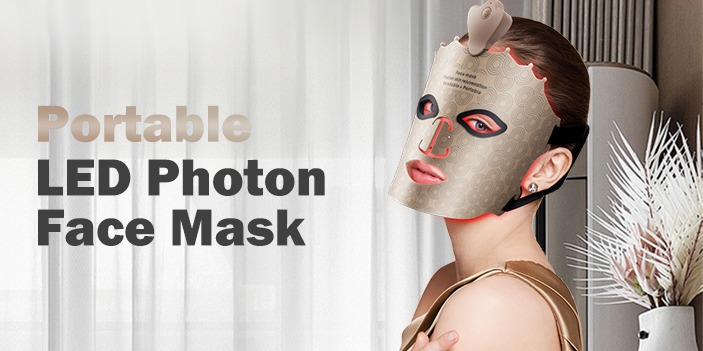
Food-grade silicone certified by TUV/SGS; optimized optical irradiance matrix for clinical medispas.
Explore Specification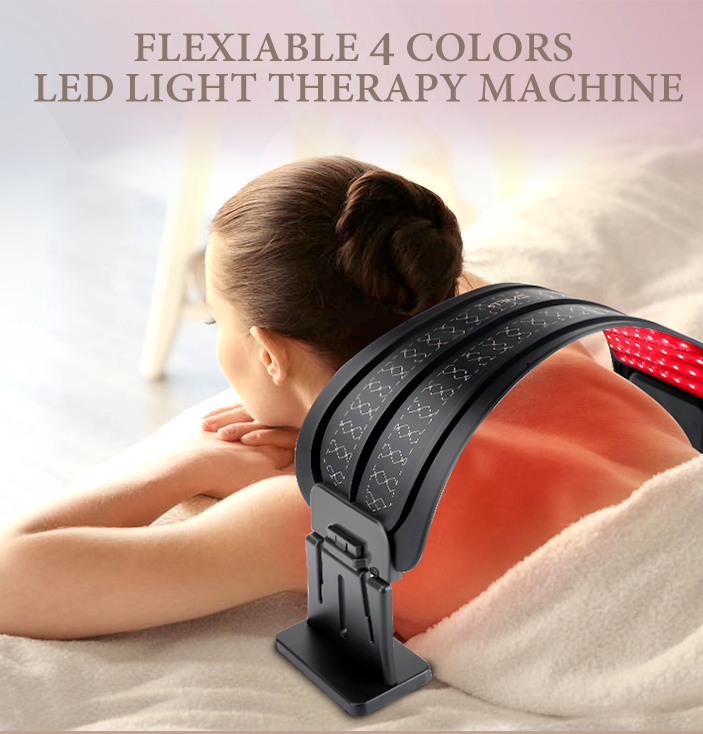
Dense diode placement for follicular stimulation, calibrated to accelerate post-microneedle peptide absorption.
Explore Specification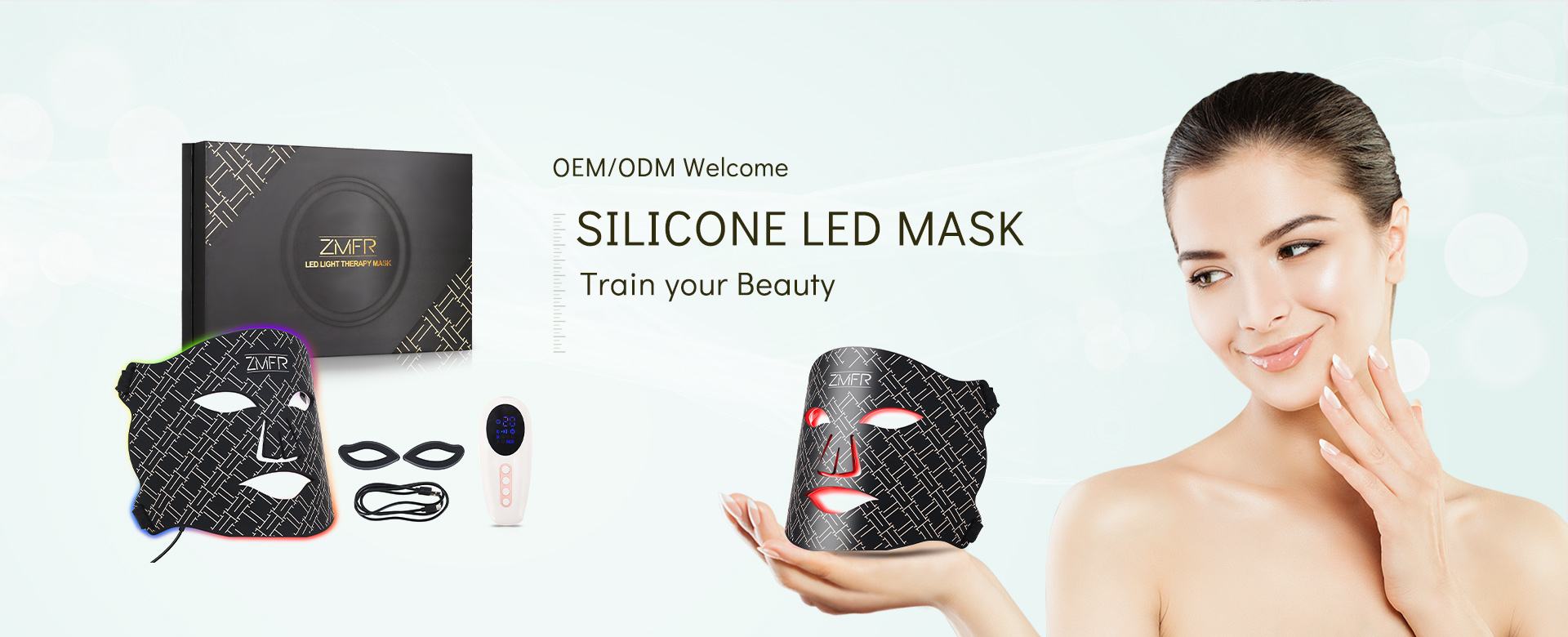
Complete B2B catalog covering 9/12/24/36/42/Nano cartridge blueprints, pen specifications, and factory MOQs.
Download OEM CatalogFrom manual mechanical punctures to biocompatible micro-fluidic delivery systems: How modern Dermapen needle manufacturing determines clinical efficacy and patient safety.
Early-generation needle pins suffered from micro-bending and surface burrs, triggering tissue micro-tearing and epidermal trauma. Fanrun engineers surgical-grade SUS316L / SUS304 Japanese stainless steel electro-chemically sharpened to a 3-facet lancet tip bevel. This ensures puncture forces remain under 0.08 Newtons, facilitating vertical tissue entry without epidermal scratch lacerations.
Cross-contamination during percutaneous collagen induction therapy presents significant clinical liability. Our patented silicone anti-backflow membrane cartridges utilize a hermetically sealed medical elastomer barrier. Even under capillary fluid dynamics and rapid motor reciprocating cycles (up to 18,000 RPM), blood and meso-serums cannot penetrate into the pen drive shaft.
Traditional needling relies on manual topical serum application prior to puncture. Modern clinical protocols demand unified transdermal delivery. Fanrun has introduced integrated cartridge reservoirs and fluid channels that synchronize needle oscillation with micro-droplet expulsion, ensuring active exosomes and polynucleotides (PN/PDRN) reach the reticular dermis directly.
Clinical Insight: The depth tolerance of a dermapen needle cartridge directly impacts basal lamina integrity. While consumer-grade stamped needles demonstrate depth variance exceeding ±0.25mm, Fanrun CNC-assembled cartridges guarantee precision within ±0.03mm across all needle configurations.
| Cartridge Configuration | Needle Diameter (Gauge) | Optimal Clinical Application | Target Penetration Depth | Fluid Mechanics Mechanism |
|---|---|---|---|---|
| 9-Pin Surgical Lancet | 0.25mm (31G - 32G) | Deep acne scar subcision, fibrous tissue ablation | 1.5mm – 2.5mm | Direct mechanical micro-channel disruption |
| 12-Pin Clinical Standard | 0.20mm (33G) | Collagen induction, rhytids, stretch marks | 0.5mm – 2.0mm | Rapid vertical fibroblast activation |
| 24 / 36-Pin Multi-Micro | 0.18mm (34G) | Melasma, skin tone homogenization, large pores | 0.25mm – 1.0mm | High-density epidermal micro-perforation |
| 42-Pin & Nano-Silicon | Monocrystalline Silicon / 0.15mm | Meso-infusion, BB Glow, peri-orbital revival | Stratum Corneum (~0.1mm) | Lipid bilayer non-invasive hydration channel |
Medical aesthetic brands and multi-national pharmaceutical distributors face strict regulatory scrutiny and supply chain vulnerabilities. Here is how Fanrun mitigates global procurement risks.
Equipped with 100% automated optical inspection (AOI) machines that reject burred, bent, or unsharpened needle tips at high speed before ultrasonic cleaning.
We tool precision bayonets, screw-lock, and snap-lock cartridge adapters tailored specifically to prevent third-party counterfeit needles on your branded pens.
Every cartridge batch undergoes ISO 11135 Ethylene Oxide sterilization with biological indicator records and 5-year hermetic blister packaging shelf-life.
From low-volume clinical trial batches (500 units with custom pad printing) to high-throughput container deliveries (1,000,000+ units monthly capacity).
Research, tooling, cleanroom assembly, and global regulatory compliance consolidated under one audited roof in Shenzhen, China.
Our automated microneedle cartridge assembly lines operate inside class 10,000 cleanrooms under strict microbial and particulate monitoring to guarantee absolute cleanliness prior to sterilization.
All polymers and skin-contact medical silicones undergo extraction tests and cytotoxicity assays, passing food-grade and medical-grade biocompatibility standards independently verified by SGS and TUV.
We provide medical aesthetic OEM importers with Technical Documentation Files (CE MDR / RoHS), sterilization validation reports (EN 556-1), and customs clearance dossiers for hassle-free global importing.
Where microneedling technology is heading: integrating bio-sensing, smart micro-electronics, and active dissolving polymer structures.
Transitioning from pure metal needles to biocompatible hyaluronic acid (HA) crystalline arrays embedded with active oligopeptides. These needles dissolve within 15 minutes inside the epidermis, delivering active peptides with zero clinical waste or sharps hazards.
Development of gold-plated, insulated needle cartridge shafts (0.15mm non-insulated tip) capable of delivering targeted radiofrequency energy to the reticular dermis while insulating epidermal melanocytes against PIH (Post-Inflammatory Hyperpigmentation).
Smart cartridge tips that measure real-time tissue electrical impedance, automatically controlling pen motor stroke force and micro-depth dynamically as the device transitions between thin forehead tissue and thick cheek muscles.
Essential technical, regulatory, and logistics answers for aesthetic brands, clinics, and medical supply chain directors.
Explore turnkey, high-margin cosmetic hardware platforms ready for custom private labeling and global distribution.
Integrated cooling cryo-technology combined with 4-spectrum LED rejuvenation for post-treatment clinics.
Explore Specification
Multi-spectral PDT beauty platform delivering calibrated irradiance across blue, yellow, red, and NIR spectra.
Explore Specification
Medical-grade 650nm low-level laser diodes embedded inside an ergonomic helmet shell for hair densification.
Explore Specification
Flexible contouring silicone panel engineered for uniform facial phototherapy and transdermal micro-circulation.
Explore Specification
Equipped with an aluminum alloy unibody, digital RPM control, and universal cartridge locking chuck.
Explore Specification
Multi-wavelength LED arrangement providing non-thermal cellular stimulation to accelerate needle wound healing.
Explore Specification
Targeted laser matrix designed for clinical hair spa chains and home-use trichology programs.
Explore Specification
Request full B2B pricing sheets, factory test certifications, and custom tooling terms for your brand.
Download OEM CatalogConnect directly with our engineering team in Shenzhen to request sample needle blister packs, review custom bayonet tooling, and obtain technical compliance documentation.
To verify authenticity, request the certificate number from our team and check it on the issuing body's official portal. Contact us