
SKU: LM15-PRO

Anti-Aging 4 Colors Light Therapy Ice Silicone Mask
Integrated micro-cryo cooling technology with multi-wavelength LED array targeting post-microneedling erythema and scar remodelling.
Medical-grade engineering certified for clinical scar revision, dermatological collagen induction therapy (CIT), and specialized skin rejuvenation protocols.
Integrated micro-cryo cooling technology with multi-wavelength LED array targeting post-microneedling erythema and scar remodelling.

Clinical-grade photodynamic facial system utilizing blue (415nm) and red (630nm) rays for atrophic scar healing and tissue restructuring.

Low-level 650nm laser diode matrix providing cellular biostimulation for scalp scar tissue management and follicle activation.

Ultra-flexible medical silicone structure engineered with deep 830nm near-infrared wavelengths to optimize hypertrophic scar flattening.
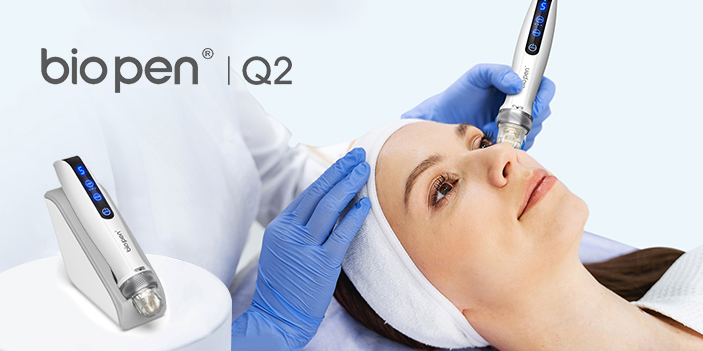
German precision high-speed coreless motor engineered to prevent micro-epidermal tears while penetrating dense scar fibrotic tissue up to 2.5mm.
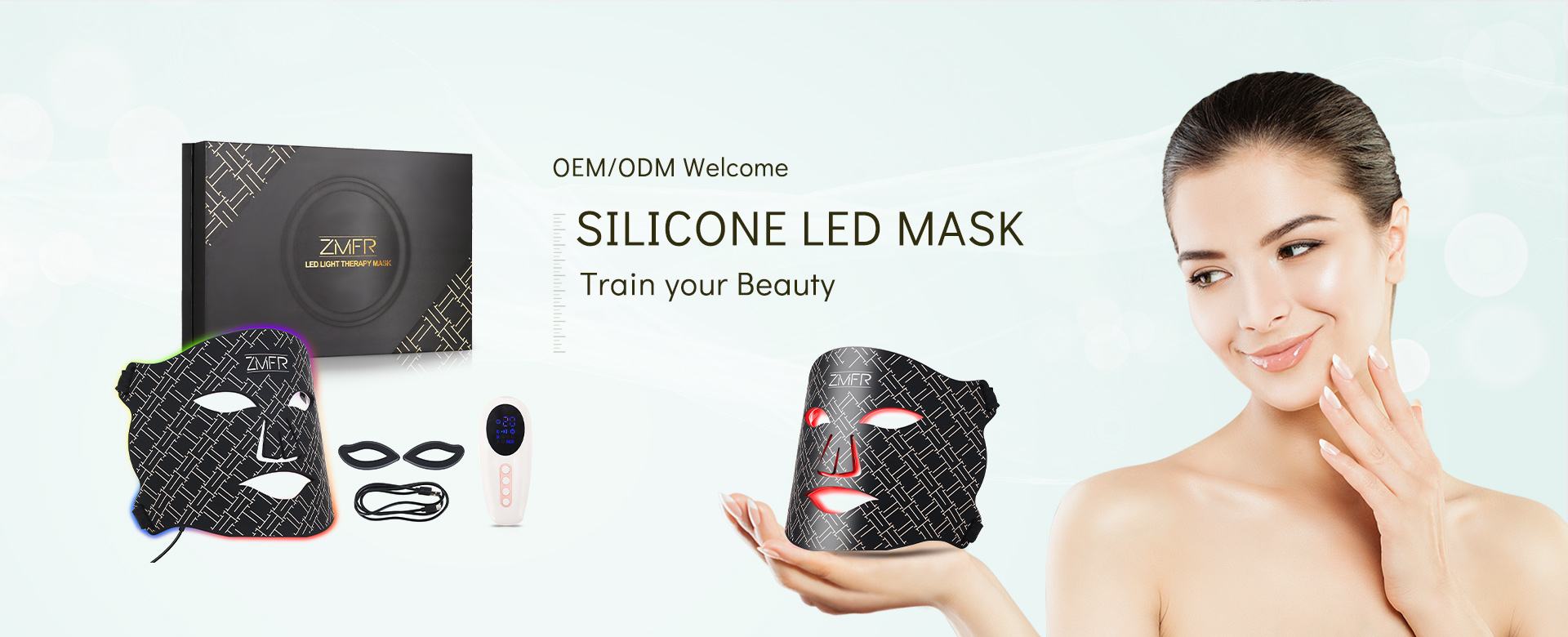
TUV/SGS certified biocompatible mask providing precise irradiance output for accelerating epidermal proliferation during micro-channel repair.
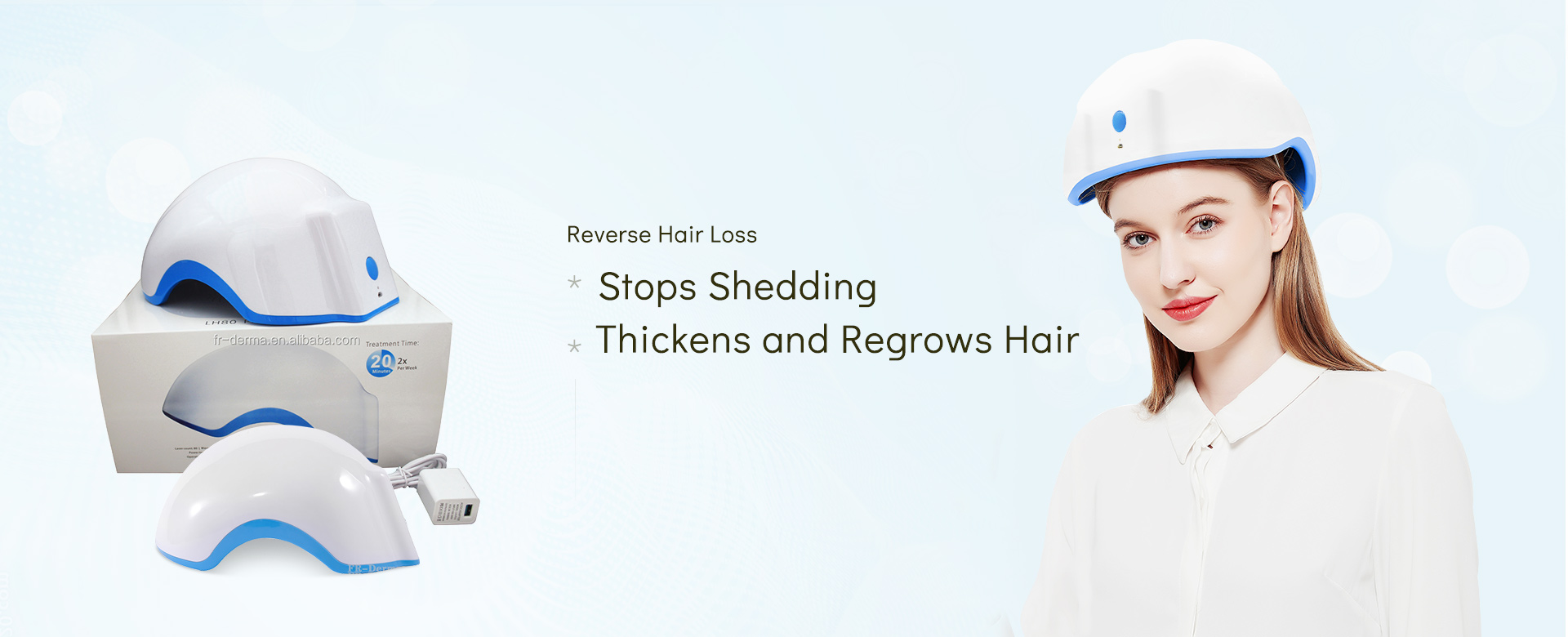
High-density semiconductor laser system designed for post-surgical scar vascularization and tissue revitalization therapy.
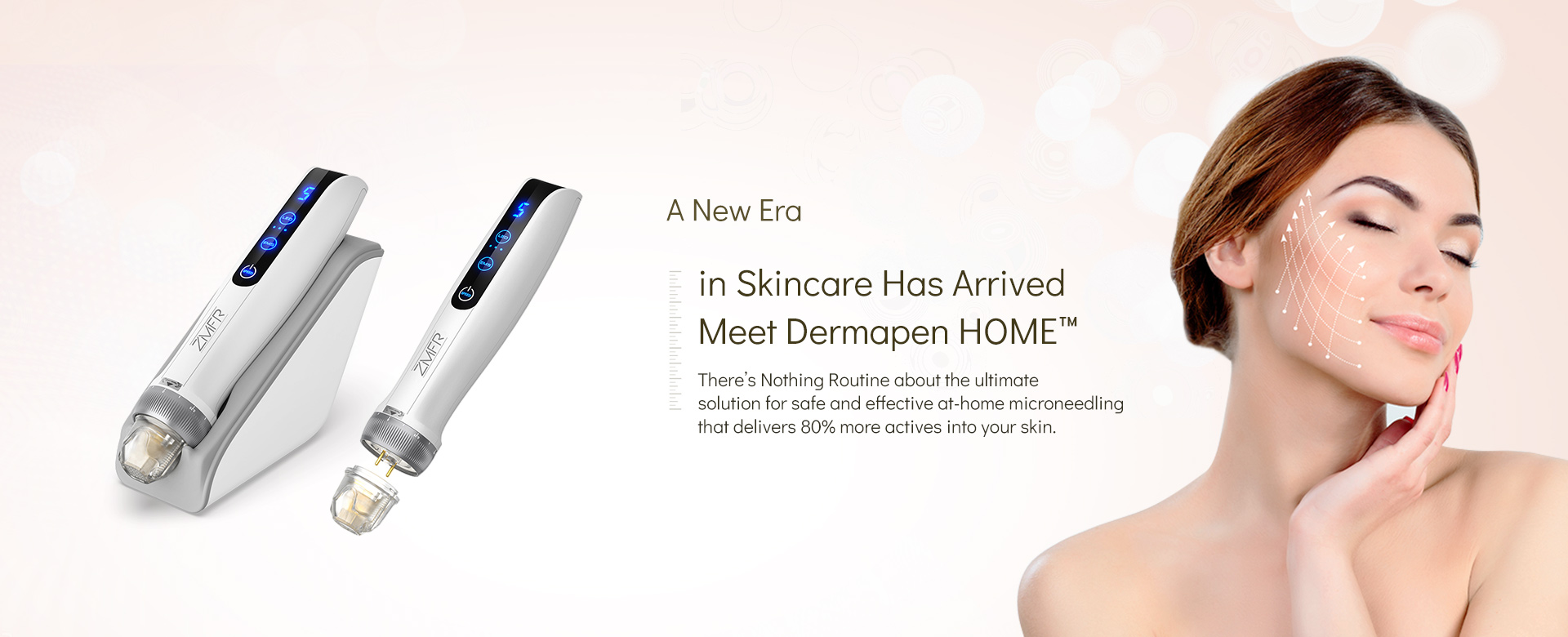
Smart torque monitoring micro-controller designed to maintain stroke depth consistency when tackling uneven atrophic acne pits.
A rigorous engineering and biomedical perspective on percutaneous collagen induction, micro-wound cascades, and evolving device engineering.
Scars—whether post-acne icepick, boxcar, rolling scars, or surgical keloidal boundaries—are structurally defined by disorganized cross-linked Type I and Type III collagen bundles. Automated microneedling disrupts these fibrotic tethers through controlled mechanical perforation. The localized micro-trauma triggers platelets to release Platelet-Derived Growth Factor (PDGF), Fibroblast Growth Factor (FGF), and Transforming Growth Factor-beta (TGF-β), substituting rigid scar matrices with smooth, organized native reticular dermis.
Global dermatology clinics and medspas are shifting away from ablative fractional CO2 lasers toward mechanical microneedling and RF-assisted delivery. Laser thermal damage carries substantial risks of Post-Inflammatory Hyperpigmentation (PIH), particularly for Fitzpatrick skin phototypes IV-VI common across APAC, Latin America, and Middle Eastern demographics. Mechanical microneedling leaves the protective epidermal stratum corneum intact after 24 hours, offering near-zero downtime and universally safe scar remediation.
Commercial scar therapy requires needle trajectory accuracy under 0.02mm deviation. Ordinary consumer derma rollers produce an arched entry and exit path, inducing jagged micro-shearing and worsening scar edges. Clinical automated derma pens manufactured by Fanrun use high-precision vertical reciprocation mechanisms capable of up to 18,000 RPM, maintaining uniform perpendicular puncture vectors that isolate micro-conduits strictly to the intended dermal depth.
Leveraging unmatched industrial clustering, precision micro-molding, and in-house electronics manufacturing under one ISO13485-monitored facility.
In-house CNC machining centers and cleanroom injection molding ensure surgical steel 316L and medical titanium needle tips retain sub-micron sharpness without metal burs, meeting sterile CE and ISO medical tolerances.
Our patented anti-backflow silicone membranes prevent blood, interstitial exudate, and mesotherapy serums from back-siphoning into the pen drive shaft, eradicating cross-contamination vectors for global clinic operators.
Shenzhen's comprehensive supply-chain ecosystem allows Fanrun to move from industrial CAD prototyping to working functional 3D mockups within 14 days, reducing global time-to-market by upwards of 60% compared to Western facilities.
Every cartridge undergoes automated optical measurement (AOI) for pitch alignment and needle tip geometry, followed by 100% load-testing of motors to eliminate speed jitter across thousands of batch production units.
| Engineering Parameters | Fanrun Industrial OEM Platform | Standard Commodity Competitors |
|---|---|---|
| Motor Architecture | High-torque, low-vibration coreless German-style motor (18,000 RPM) | Generic carbon brush motor (unstable rpm under skin tension) |
| Needle Tip Tolerance | 316L Surgical Grade, AOI tested <0.01mm deflection | Recycled 304 alloy, prone to mechanical bending & tissue micro-tears |
| Cross-Infection Prevention | Dual-layer fluid barrier anti-backflow silicone membrane | Open hollow cartridge interface (high backflow risk to motor shaft) |
| Regulatory Verification | Full traceability, CE, RoHS, TUV/SGS biocompatibility certifications | Unverified self-declarations, non-compliant materials |
Customizing hardware depth, oscillation speed, and transdermal synergy for diverse clinical standards and regional skin profiles.
Primary Market: North America & European Dermatology Practices.
Protocol: Utilizing needle configurations with 12 to 24 pins penetrating at 1.5mm–2.5mm to release deep fibrotic anchor cords, combined with PRP (Platelet-Rich Plasma) or Exosomes. High motor torque prevents pen stalling in dense scar tissue.
Primary Market: Latin America & Middle East Medspas.
Protocol: Broad cartridge arrays (36-42 pins or nano-silicon tips) operating at micro-depths of 1.0mm–2.0mm to break collagen striations in abdominal or post-surgical scars, accompanied by 830nm Near-Infrared LED soothing to avoid hyperpigmentation.
Primary Market: Global Hair Restoration Clinics.
Protocol: Precise 0.75mm–1.25mm micro-channelling to vascularize scar tissues caused by FUT/FUE donor harvests, coupled with 650nm LLLT laser helmet irradiation to reactivate micro-capillaries within scar zones.
Verified post-treatment results documented using devices built across Fanrun OEM/ODM industrial platforms.
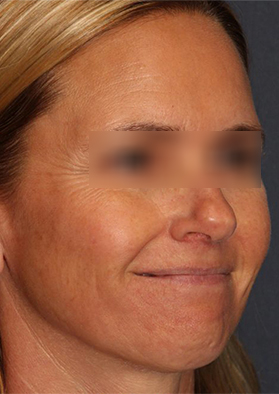
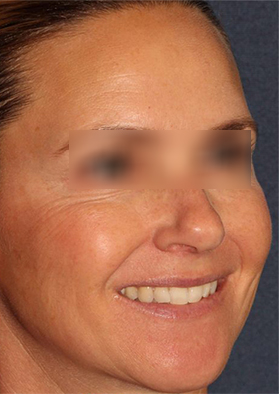
“After a few microneedling treatments, my skin has become smoother, fine lines and acne scars have improved significantly, and my friends say I look younger!”
“Using the LED beauty mask regularly has smoothed out my facial wrinkles, making my skin look firmer and more youthful.”
“My hair has changed dramatically! The previously thinning areas on the top of my head have visibly filled in and look thicker and healthier.”
“I had always been troubled by thinning hair and didn't expect significant changes. The volume has increased a lot.”
“I can feel my skin improving after each treatment, especially my pores. I finally have the confidence to go out without makeup!”
“I was a little hesitant at first, but now I'm so glad I chose microneedling. The results exceeded my expectations!”
How Fanrun R&D is leading the shift toward intelligent transdermal feedback and multi-modal micro-needling devices.
The industrial roadmap is integrating localized radiofrequency electro-thermal coagulation with mechanical puncture. By emitting 1MHz-2MHz RF energy precisely at the needle tips directly into the reticular dermis, collagen tightening and scar tether release happen synchronously without surface burn risks.
Manual serum application during microneedling often results in uneven product dispersion. Fanrun's next-generation pens integrate synchronized micro-pumps capable of dispensing nano-liter micro-doses of PDRN, hyaluronic acid, or peptide serums synchronously with each vertical needle puncture.
Transitioning beyond physical needles to dissolving polymer micro-projections made of cross-linked hyaluronic acid and lyophilized growth factors. These crystalloid tips painlessly enter the stratum corneum and dissolve within 15 minutes to deliver high molecular weight actives into fibrotic scar tissue.
Shenzhen Fanrun Technology Co., Ltd. has developed and manufactured professional aesthetic equipment in Shenzhen, China, since 2013. Research, precision tooling, cleanroom assembly, and electronic testing are centralized under one roof, guaranteeing seamless quality management from raw polymer to boxed device.
Year Established
Factory Floor Area (sq.ft)
Expert Workforce
Patents Registered
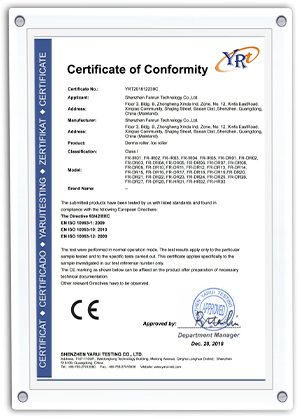
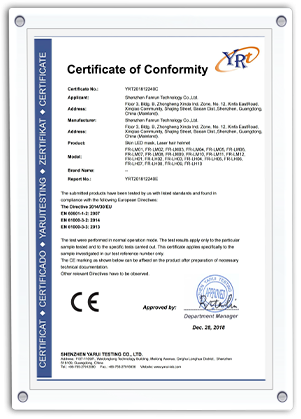
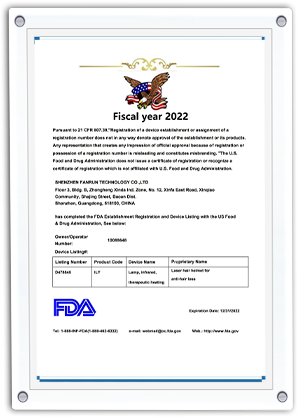
Third-party testing dossiers, medical biocompatibility compliance, and ISO quality management systems verified by TUV and SGS.
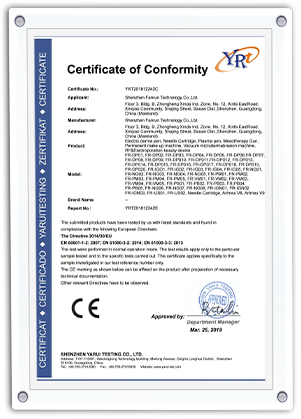 CERT · 01 (EMC/LVD)
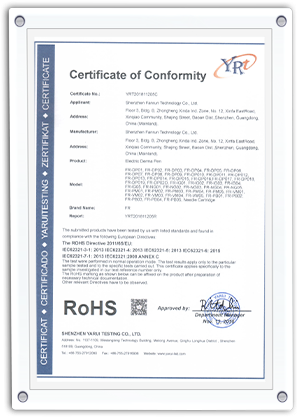 CERT · 02 (RoHS Bio)
 CERT · 03 (ISO13485)
 CERT · 04 (TUV Food-Grade)
 CERT · 05 (SGS Safety)
Anti-Counterfeit & Importer Assurance: Every regulatory report and CE/RoHS file is issued with verifiable serial tracking numbers. Request certificate numbers from our compliance team to verify them via the issuing registrar's official portal prior to placing purchase orders.





Integrate certified phototherapy and mechanical skin resurfacing platforms into your company's product portfolio.
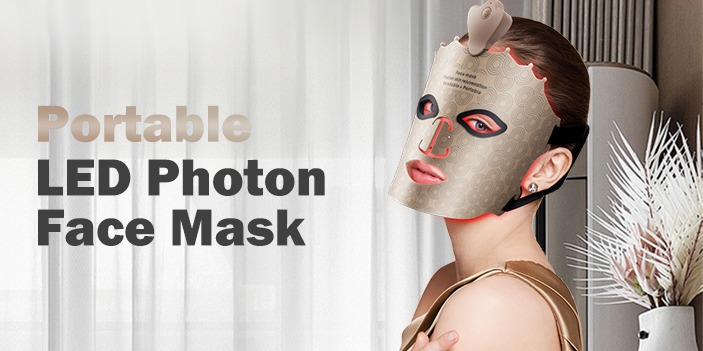
Ergonomic contoured facial arch engineered with targeted red and yellow wavelengths to stimulate fibroblast synthesis post scar revision.
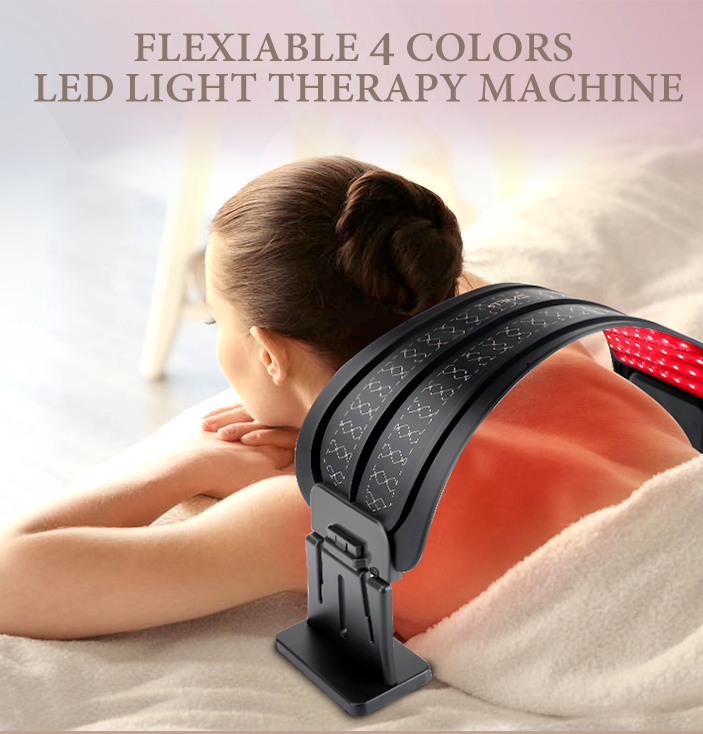
Designed for post-operative surgical scar and stretch mark healing across torso, shoulders, and décolleté areas.
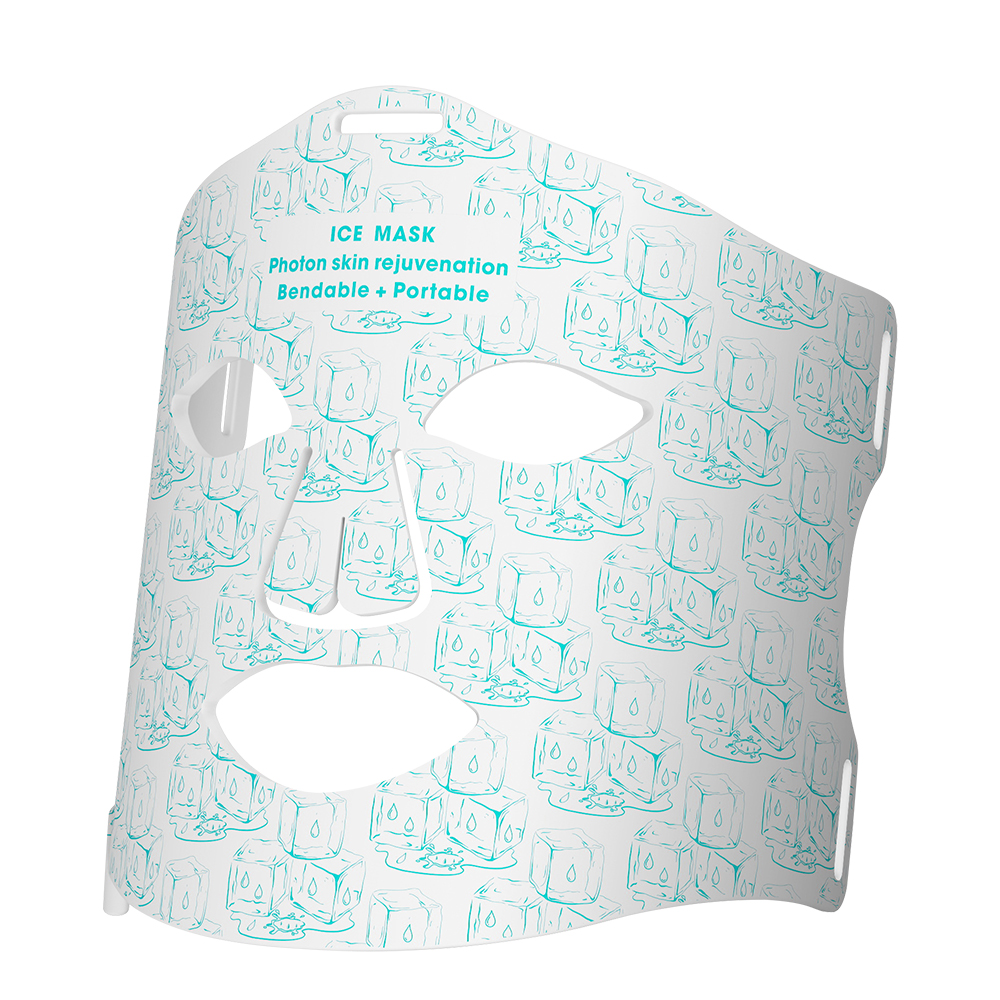
Combines 415nm blemish-clearing blue rays with integrated active cold conduction to immediately calm treated skin post-microneedling.
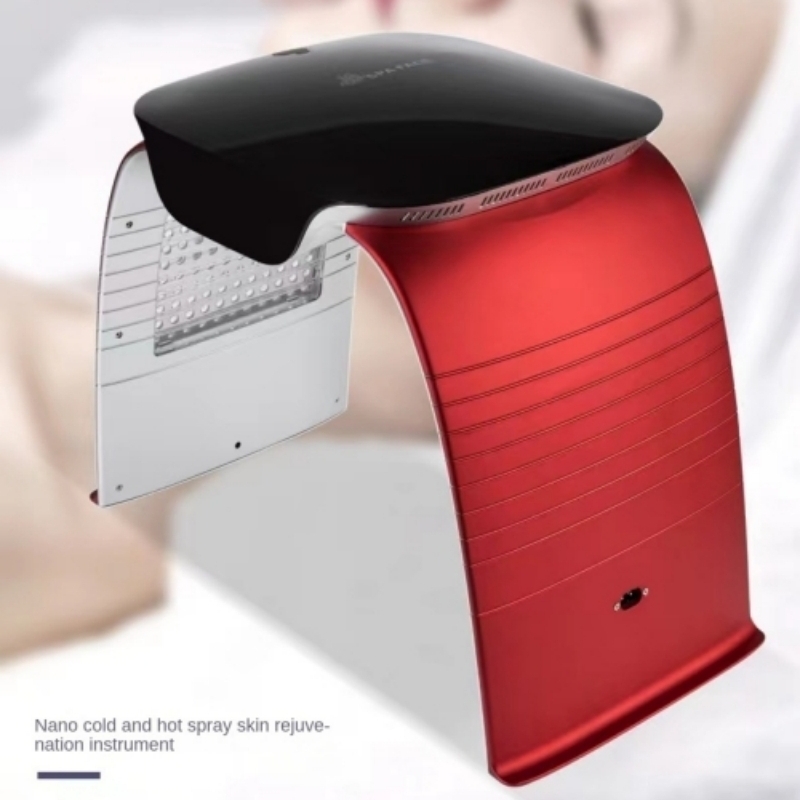
High-power clinical mask built for aesthetic practitioner booths targeting uneven texture and persistent atrophic scarring.
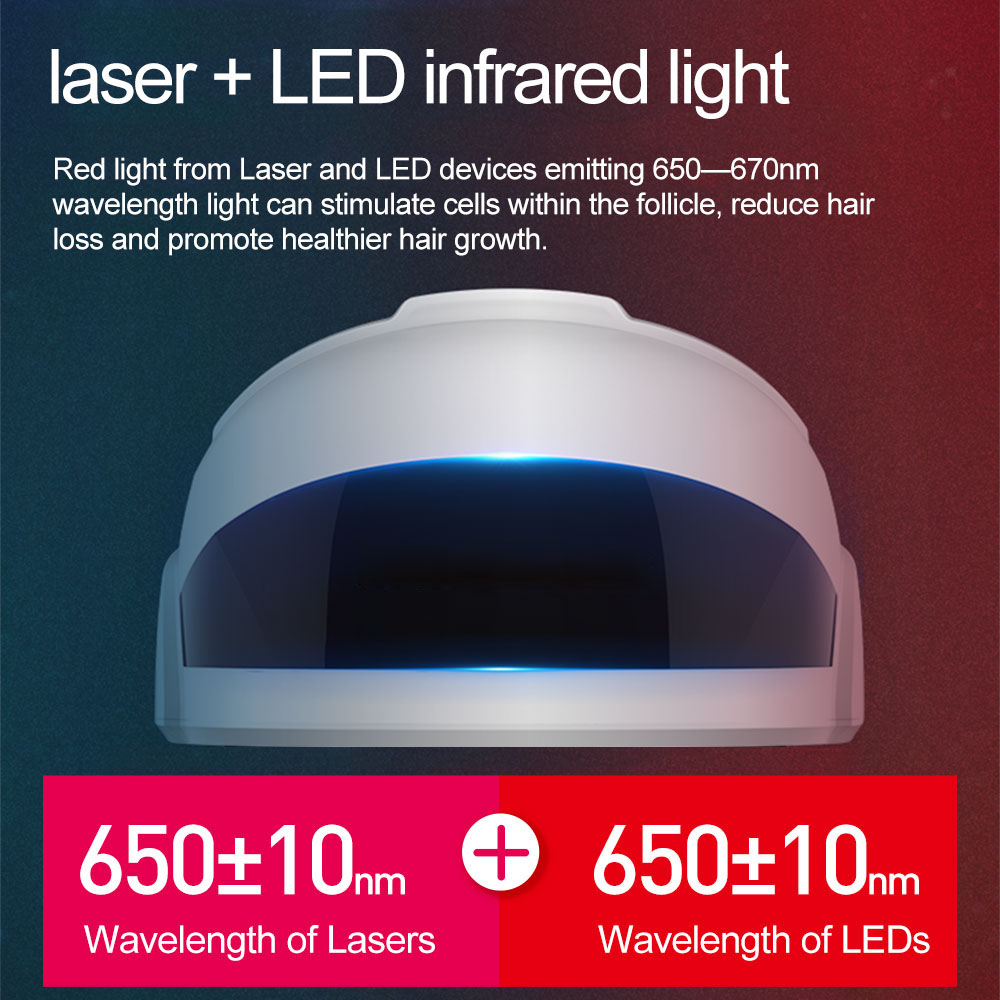
Targeted 650nm low-level diode arrays promoting angiogenesis and minimizing fibrotic scar formation across follicular graft regions.
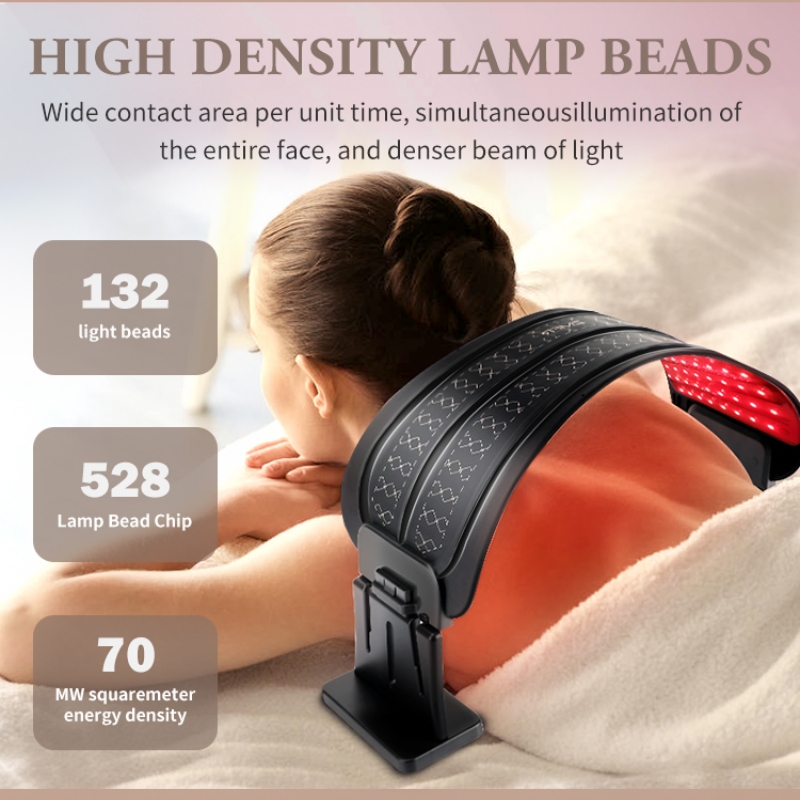
Synchronized 630nm + 830nm irradiance delivering cellular energy deep into fibrotic subcutaneous tissue to accelerate matrix remodeling.
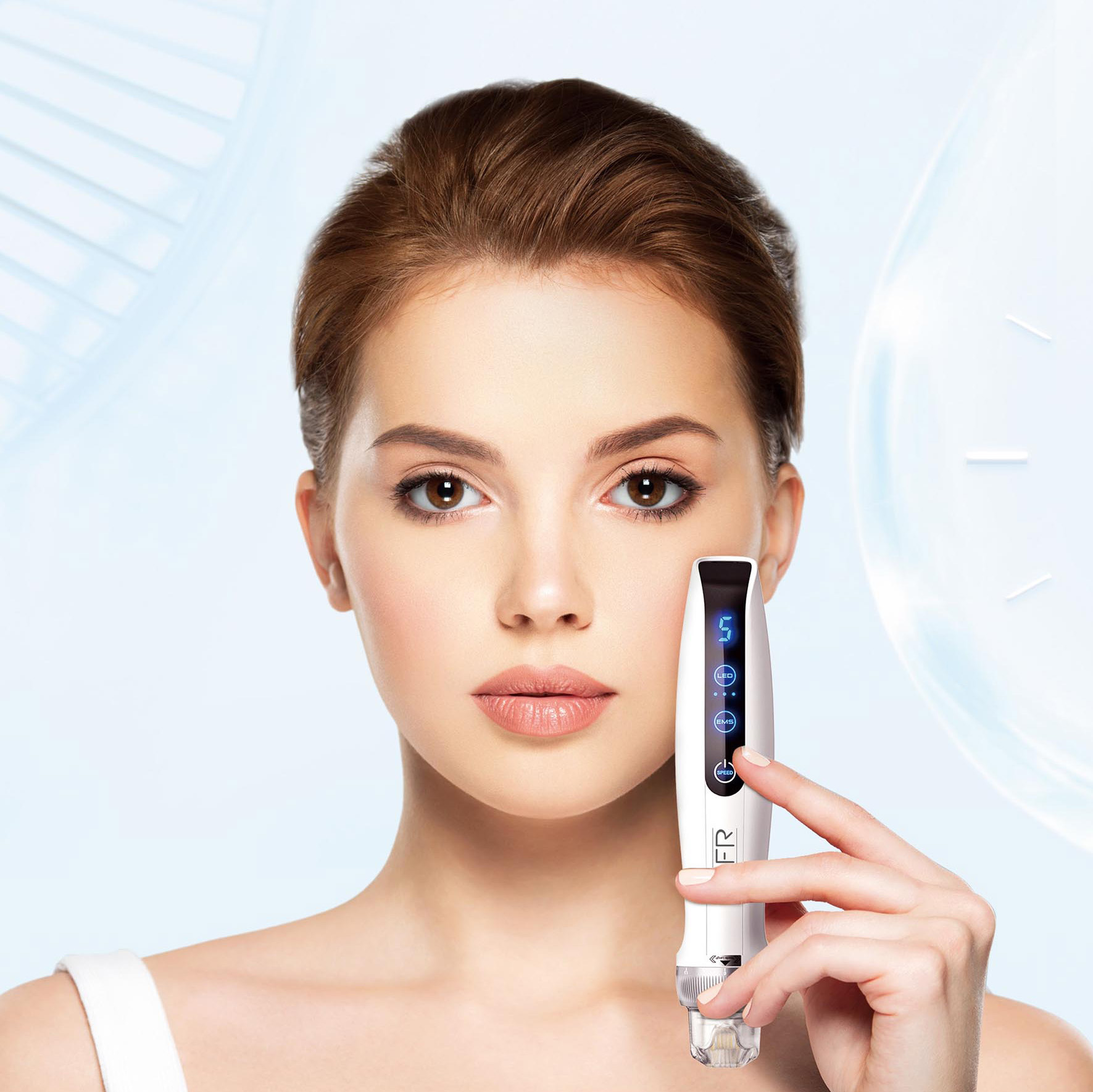
EO gas-sterilized medical 316L needle heads available in 12, 24, 36, and 42-needle configurations with built-in safety fluid seals.

Ergonomically engineered for comprehensive contact with facial depressions, ensuring light energy penetrates scar indentations evenly.
Direct technical and operational answers for sourcing directors, clinical brand owners, and medical distributors.
For atrophic and deep surgical scars, motor stroke depth must be calibrated between 1.5mm to 2.5mm to adequately reach the reticular dermis and disrupt fibrotic collagen bands. For post-inflammatory hyperpigmentation or shallow rolling scars, 0.5mm to 1.0mm is optimal. Fanrun derma pens feature precision mechanical adjustment rings with 0.1mm micro-step detents.
Our OEM cartridges incorporate a patented dual-layer silicone barrier membrane. This elastomeric seal creates a physical barrier that prevents serums, blood, and interstitial fluid from migrating up the reciprocating drive shaft into the handpiece, complying with stringent healthcare hygiene mandates.
For custom silk-screened logos, customized anodized pen body colors, and personalized retail packaging on existing platforms, our MOQ starts at 500 units. For full ODM development involving custom industrial design, mold injection, and proprietary firmware programming, MOQs typically start at 1,000–3,000 units.
We supply complete CE (EMC/LVD) declarations, RoHS compliance certifications, and material biocompatibility reports verified by TUV and SGS (including cytotoxicity and skin irritation testing under ISO 10993 standards) to streamline customs import clearances in the EU, US, and APAC markets.
Yes. As an ODM manufacturer, we can configure specific light wavelength profiles. Popular post-microneedling combinations include 415nm blue (antimicrobial action), 590nm yellow (lymphatic drainage/erythema reduction), 630nm red (fibroblast stimulation), and 830nm near-infrared (deep tissue healing and pain mitigation).
Sample prototypes and pre-production evaluation units are typically dispatched within 7 working days. Full mass-production runs of 1,000–5,000 units are completed within 25–30 calendar days, supported by our direct access to Shenzhen's local raw materials and surface treatment facilities.
Request comprehensive engineering specifications, clinical whitepapers, and confidential volume quotes customized for your private brand or distribution network.
To verify authenticity, request the certificate number from our team and check it on the issuing body's official portal. Contact us