2026 Best LED Face Mask for Global Buyers?

Time:2026-10-21 Author:Sophia
0%

For global buyers, choosing the best Led Face Mask in 2026 requires more than attractive packaging. It requires evidence, measurable performance, and realistic expectations. A bright mask is not automatically a better mask. Wavelength, irradiance, treatment distance, coverage, comfort, and eye protection all influence the experience.

Dr. Dennis Gross, dermatologist and LED skincare specialist, has said, “LED light therapy is a non-invasive, painless treatment with no downtime.” That principle remains important for international shoppers. A dependable device should explain its red and near-infrared wavelengths clearly. It should also provide safety instructions, treatment duration, contraindications, and transparent testing information. Certifications matter, but buyers should still check what each certification actually covers.

This guide compares leading models through a practical, global lens. We examine clinical support, battery performance, mask flexibility, charging standards, warranty service, and regional availability. We also consider details users notice at home, such as warm plastic against the nose, tight straps, bright light near the eyes, or a cable that fails after several weeks.

Some results may vary.

Skin condition, age, routine, and consistency affect outcomes. Marketing claims can sound more certain than the science allows. Even experienced reviewers can overlook long-term comfort or after-sales support. Therefore, this selection is not a promise of dramatic transformation. It is a careful starting point for buyers seeking safer, clearer, and more informed Led Face Mask choices in 2026.
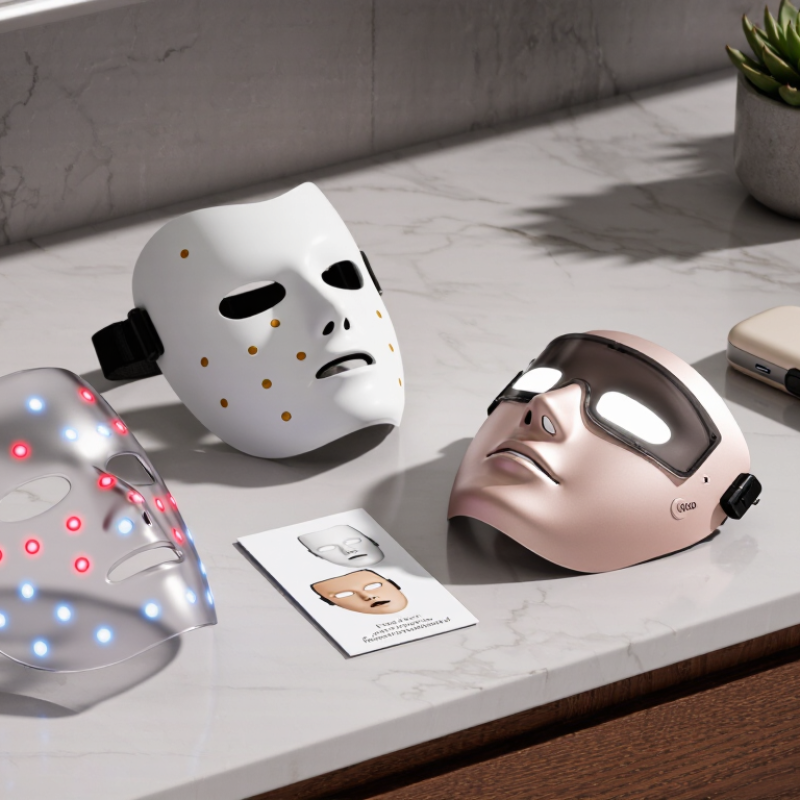
2026 Best LED Face Mask for Global Buyers?

What Is an LED Face Mask and How Does It Work?

2026 Best LED Face Mask for Global Buyers?

What Is an LED Face Mask and How Does It Work?

An LED face mask uses controlled light to support photobiomodulation in the skin. Red light commonly measures about 630–660 nanometres. Near-infrared light often measures 810–850 nanometres. These wavelengths may reach different skin depths and influence cellular activity.

The proposed mechanism involves mitochondria, which produce energy for cells. Light exposure may encourage ATP production and support collagen-related processes. Clinical reviews also report possible improvements in mild inflammation, redness, and fine lines. The response is gradual. One session rarely changes visible skin.

Market evidence shows growing interest. Grand View Research estimated the global LED light therapy market at over US$1 billion in 2023, with continued growth projected through 2030. However, market growth does not prove every device works equally well. Irradiance, wavelength accuracy, treatment time, and skin contact matter.

Look beyond brightness.

A practical mask should provide clear technical data, eye-safety guidance, and consistent coverage. Users taking photosensitising medicines should seek medical advice first. People with light-sensitive conditions also need professional guidance. Heat, dryness, or temporary redness can occur.

The evidence is promising, not perfect. I would not treat an LED mask as a cure for acne, pigmentation, or ageing. For global buyers, the best choice depends on tested specifications, transparent instructions, and realistic expectations.

Which LED Face Mask Features Matter Most for Global Buyers?

2026 Best LED Face Mask for Global Buyers?

For global buyers, the most important feature is transparent light performance. Look for published wavelengths, irradiance, treatment time, and LED coverage. Red light commonly targets surface-level skincare concerns, while near-infrared light reaches deeper tissue. However, stronger output is not automatically better. Excess heat can make a short session uncomfortable.

Fit matters more than glossy design. A mask should sit evenly across the cheeks, forehead, and jaw without pressing hard on the nose. Adjustable straps help different face shapes. Comfortable eye protection is essential. A practical test is simple: can you wear it while reading without light leaking into your eyes? If not, the design needs work.

Global use also demands reliable charging and clear documentation. USB-C charging is convenient, but buyers should confirm voltage compatibility and included adapters. Check independent safety testing, local compliance information, cleaning instructions, warranty terms, and return policies. Skin sensitivity varies, so clear warnings and conservative treatment guidance are valuable. People using photosensitizing medication should seek professional advice before use.

A low price can hide weak LEDs, poor battery life, or vague specifications. Yet expensive construction does not guarantee better results. I would compare measurable details before trusting polished advertising. Even then, expectations need restraint. Results may vary with skin condition, routine, and consistency. Some masks simply will not fit well, and that practical flaw can matter more than an impressive specification sheet.

How to Compare LED Wavelengths, Power, and Treatment Modes

Choosing the best LED face mask in 2026 starts with wavelength, not appearance. Red light usually sits near 630–660 nanometres. Near-infrared light commonly ranges from 810–850 nanometres. A 2023 review in Photodermatology, Photoimmunology & Photomedicine linked these ranges with skin-repair and inflammation research, but results varied between studies. More wavelengths do not automatically mean better treatment.

Power needs careful reading. Clinical protocols often report irradiance between 10 and 60 mW/cm², with fluence around 4–12 J/cm². These figures come from published photobiomodulation research, including reviews indexed in PubMed. A ten-minute session at 20 mW/cm² delivers about 12 J/cm². That calculation matters. Some product pages show total wattage instead, which does not reveal the dose reaching your skin. Treatment modes also deserve scrutiny. Continuous red light, near-infrared settings, and alternating cycles may suit different goals, but evidence for every mode is not equally strong. The claims can move faster than the science.

Tips: Check wavelength, irradiance, session time, and eye-safety instructions together. Look for independent testing against IEC 62471 photobiological safety requirements. A flexible mask should sit evenly, without bright gaps near the cheeks. Keep your routine consistent for several weeks and photograph the same area under similar lighting. Patch testing is sensible, especially for reactive skin. More power may feel impressive, yet higher intensity can increase irritation and does not guarantee faster improvement.

What Safety, Certification, and Comfort Standards Should You Check?

2026 Best LED Face Mask for Global Buyers?

Safety claims should begin with measurable light data, not glowing testimonials. A 2023 systematic review in Photodermatology, Photoimmunology & Photomedicine found benefits varied across studies. Wavelength, irradiance, and treatment time were inconsistent. That uncertainty matters. Look for red light near 630–660 nanometres and near-infrared light around 810–850 nanometres. The seller should disclose irradiance in mW/cm² and the recommended dose in J/cm². Without both figures, comparisons become guesswork.

Check an independent photobiological safety assessment under IEC 62471. This standard evaluates optical radiation risks, including possible eye and skin hazards. For electrical safety, request testing against the relevant IEC standard for the device type. A CE mark, UKCA mark, or FCC statement alone does not prove clinical performance. ISO 10993 biocompatibility testing is useful when silicone or plastic touches the skin. Ask for the actual test report, not only a certificate image. Small detail, big difference.

Comfort affects real-world adherence. A 2024 consumer medical-device usability report from ECRI highlighted alarm fatigue and confusing interfaces as recurring safety concerns. LED masks need a clear timer, stable straps, ventilation, and comfortable eye spacing. Check the device on a clean face for ten minutes. Any sharp pressure, heat buildup, flickering, or eye strain deserves attention. I would also avoid products with vague “medical-grade” wording. It sounds authoritative, but it explains little. Patch-test contact materials, follow the manual, and seek professional advice when using photosensitising medication.

How to Choose the Best LED Face Mask for Different Skin Needs?

2026 Best LED Face Mask for Global Buyers?

How to Choose the Best LED Face Mask for Different Skin Needs?

Start with the skin. Red and near-infrared light are commonly chosen for fine lines, dullness, and post-treatment recovery. Blue light may suit mild acne-prone skin, but it can increase dryness for some users. A 2023 systematic review in the Journal of Clinical Medicine reported promising LED results for acne and skin rejuvenation, while also noting inconsistent study designs. Evidence is encouraging, not absolute.

Check wavelength, irradiance, treatment time, and eye protection before buying. For red light, look for roughly 630–660 nanometers; near-infrared commonly falls near 810–850 nanometers. The device should disclose measured irradiance, not only “professional strength.” The U.S. FDA’s photobiological safety framework, referenced by IEC 62471, supports checking optical risk and user instructions. Stronger is not automatically better.

A 2024 Grand View Research market report estimated the global LED light therapy market at about US$1 billion in 2023, showing rising consumer interest. Growth does not prove every mask works equally. I would also check flexible contact, charging standards, warranty coverage, and instructions in my language. Skin sensitivity matters. Users taking photosensitizing medication should ask a qualified clinician first. Less is often safer. Realistic use means following the stated schedule for several weeks, photographing the same area under similar light, and stopping if redness persists. Even careful buyers may overestimate home results. That is worth remembering.

FAQS

What is an LED face mask?

An LED face mask uses controlled light for skin photobiomodulation. Red light commonly measures 630–660 nanometres. Near-infrared light often measures 810–850 nanometres. The effects develop gradually, not overnight.

How might LED light affect the skin?

Light may influence mitochondria, which produce cellular energy. It may support ATP production and collagen-related activity. Studies suggest possible improvements in mild redness, inflammation, and fine lines. The evidence remains promising, not perfect.

Which wavelengths should buyers compare?

Check the exact wavelength range, not just “red light.” Red light often supports surface-level skincare goals. Near-infrared light may reach deeper tissue. More wavelengths do not automatically mean better results.

What power information matters most?

Look for irradiance in mW/cm² and fluence in J/cm². A ten-minute session at 20 mW/cm² delivers about 12 J/cm². Total wattage alone does not show the dose reaching your skin. Marketing can make this confusing.

How should treatment modes be evaluated?

Compare continuous red light, near-infrared settings, and alternating cycles. Evidence differs between modes. Follow the stated treatment time carefully. Stronger output is not always better.

What fit and comfort details are important?

The mask should cover the forehead, cheeks, and jaw evenly. Adjustable straps can suit different face shapes. Eye protection should feel comfortable and block excessive light. If you cannot read comfortably, the design needs reconsideration.

What safety precautions should global buyers follow?

Read eye-safety instructions before use. Look for independent testing against IEC 62471 requirements. People using photosensitising medicines should seek medical advice first. Light-sensitive conditions also require professional guidance.

How can buyers compare products across countries?

Check voltage compatibility, charging accessories, cleaning instructions, warranty terms, and return policies. USB-C charging may be convenient. Confirm local compliance information and independent testing. Specifications can still fail if the mask fits poorly.

How long should users expect before noticing results?

One session rarely creates visible change. Use the mask consistently for several weeks. Photograph the same skin area under similar lighting. Results may vary, and I would not call the process perfectly predictable.

Conclusion

This guide explains how a Led Face Mask uses specific light wavelengths to support common skincare goals through non-invasive, at-home treatments. It explores how red, near-infrared, and blue light may be selected for concerns such as signs of aging, uneven tone, or blemish-prone skin, while emphasizing that results depend on consistent use, suitable skin conditions, and realistic expectations. Global buyers will learn which product features matter most, including wavelength accuracy, light intensity, treatment duration, coverage, battery or power compatibility, and ease of cleaning.

The article also outlines how to compare treatment modes and assess safety, comfort, and quality standards before purchasing. Buyers should review eye-protection design, heat management, materials, instructions, warranty support, and relevant certifications for their region. By matching the mask’s light settings, fit, comfort, and usage requirements with their individual skin needs, consumers can make a more informed choice and select a practical device for a safe and convenient skincare routine.

Sophia

Sophia

Sophia is a dedicated marketing professional with an exceptional depth of knowledge about her company's products and services. With a keen understanding of market trends and customer needs, she crafts insightful blog posts that not only inform but also engage readers, enriching the company’s online......